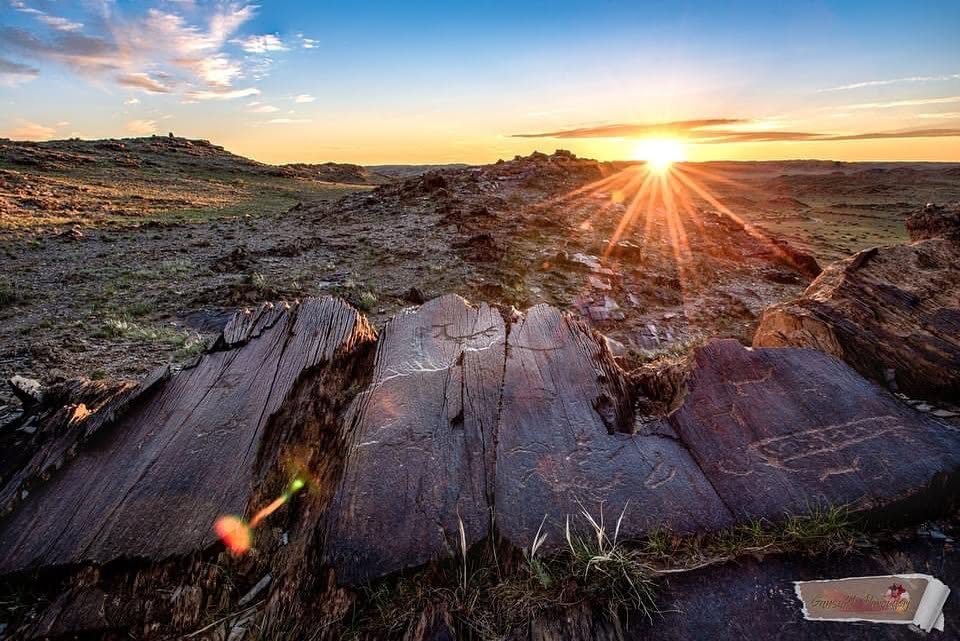
DEL MOUNTAIN: MONGOLIA’S OPEN-AIR GALLERY OF 5,000 ANCIENT ROCK ART IMAGES
Hidden in Ölziit soum of Dundgovi Province, Del Mountain is one of Mongolia’s most remarkable archaeological landscapes — an enormous open-air gallery documenting thousands of years of human history.
 What makes it so special?
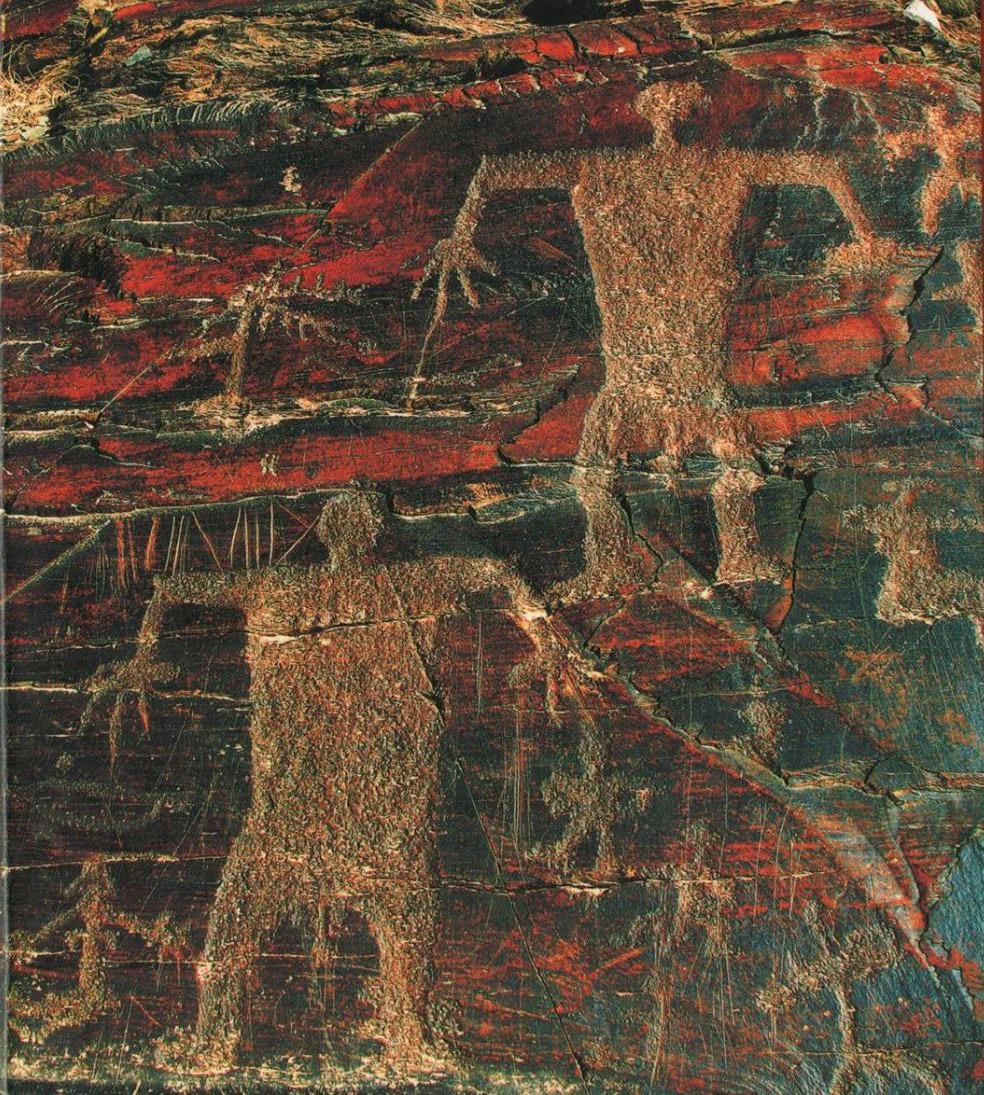
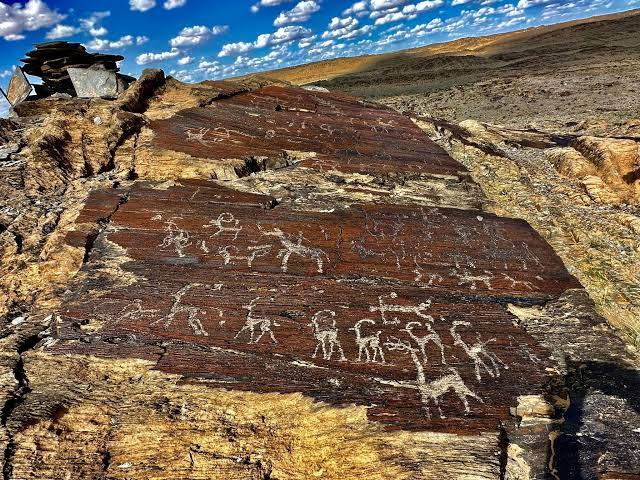
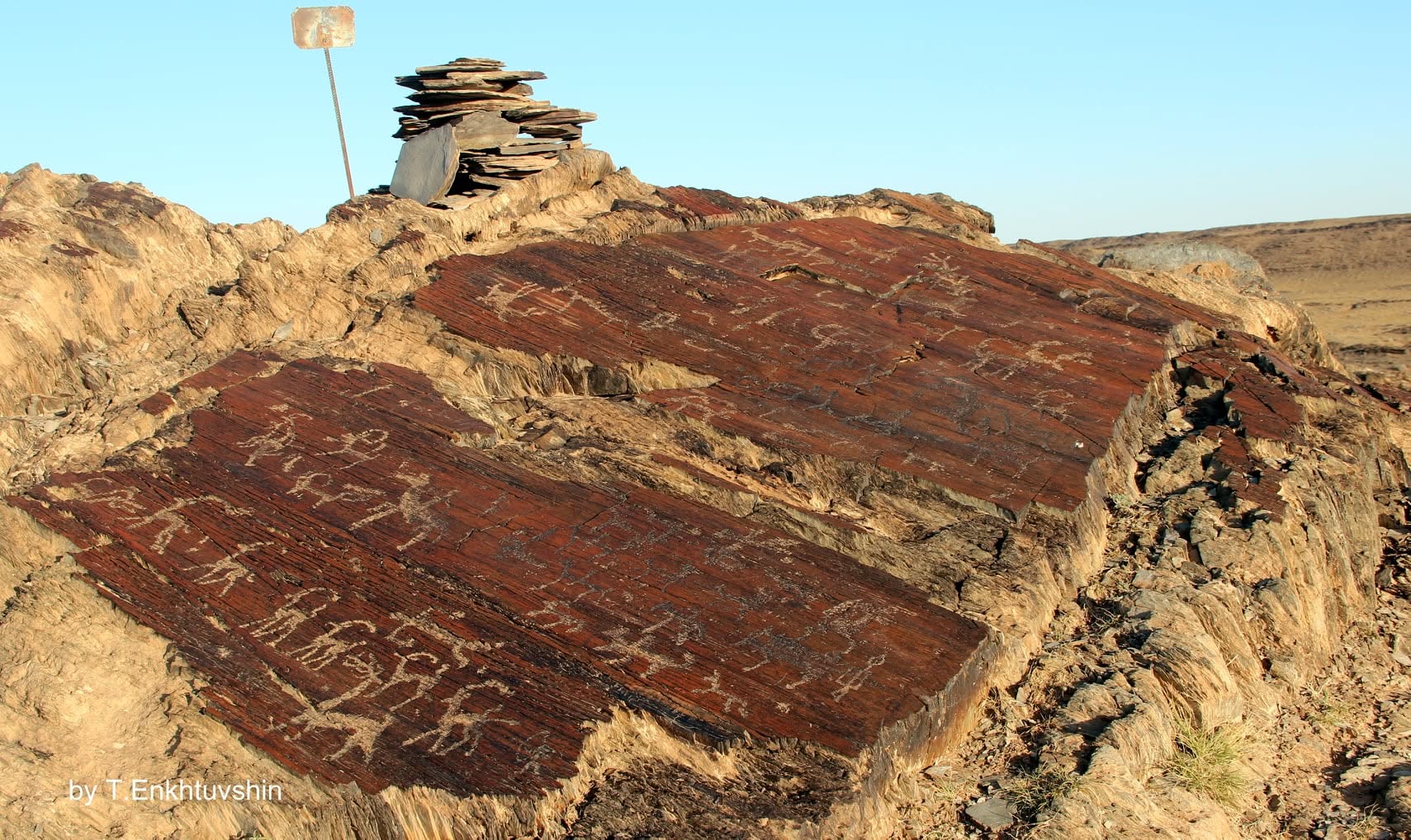
Around 5,000 rock art images have been recorded across the eastern and western slopes of the Del and Khönjliin Uul mountain range.
The carvings depict:
 Argali and ibex
 Horses
 Camels
 Hunting scenes
 Human figures
 Ancient carts and chariots
 Mysterious symbols and geometric designs
Researchers believe these artworks span an extraordinary period — from the Neolithic and Bronze Age through the Early Iron Age and Xiongnu period.
But the story doesn’t end with rock art.
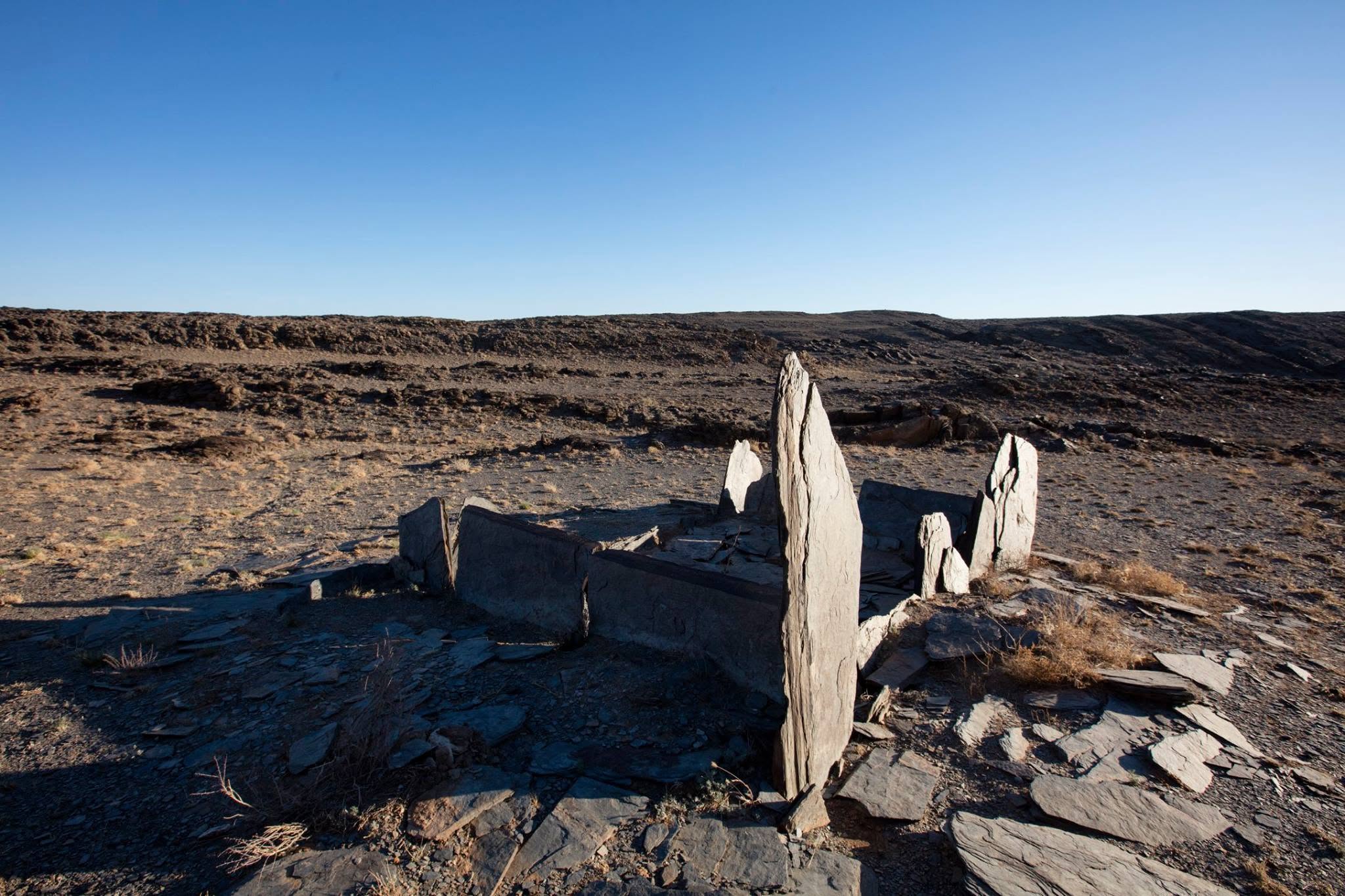
The area also contains four ancient Turkic runic inscriptions, inscriptions dating to the Tang period in Mongolian and Chinese, as well as burial structures, stone monuments and other archaeological remains.
In other words, Del Mountain is not just a collection of ancient drawings. It is a historical record carved directly into the landscape.
Research at Del Mountain began in 1960, with a joint Mongolian-Soviet expedition led by archaeologists A.P. Okladnikov and D. Dorj, and investigations have continued for decades.
Today, the Del Mountain rock art complex is included on UNESCO’s Tentative List of World Heritage Sites.
Thousands of years ago, people stood in this very landscape and carved their world into stone.
And those stones are still telling their story. 
#Mongolia #Dundgovi #DelMountain #MongolianHistory #MongolianHeritage RockArt Archaeology AncientMongolia Xiongnu TurkicHistory MongolHistory UNESCO WorldHeritage MongoliaTravel ExploreMongolia
See less