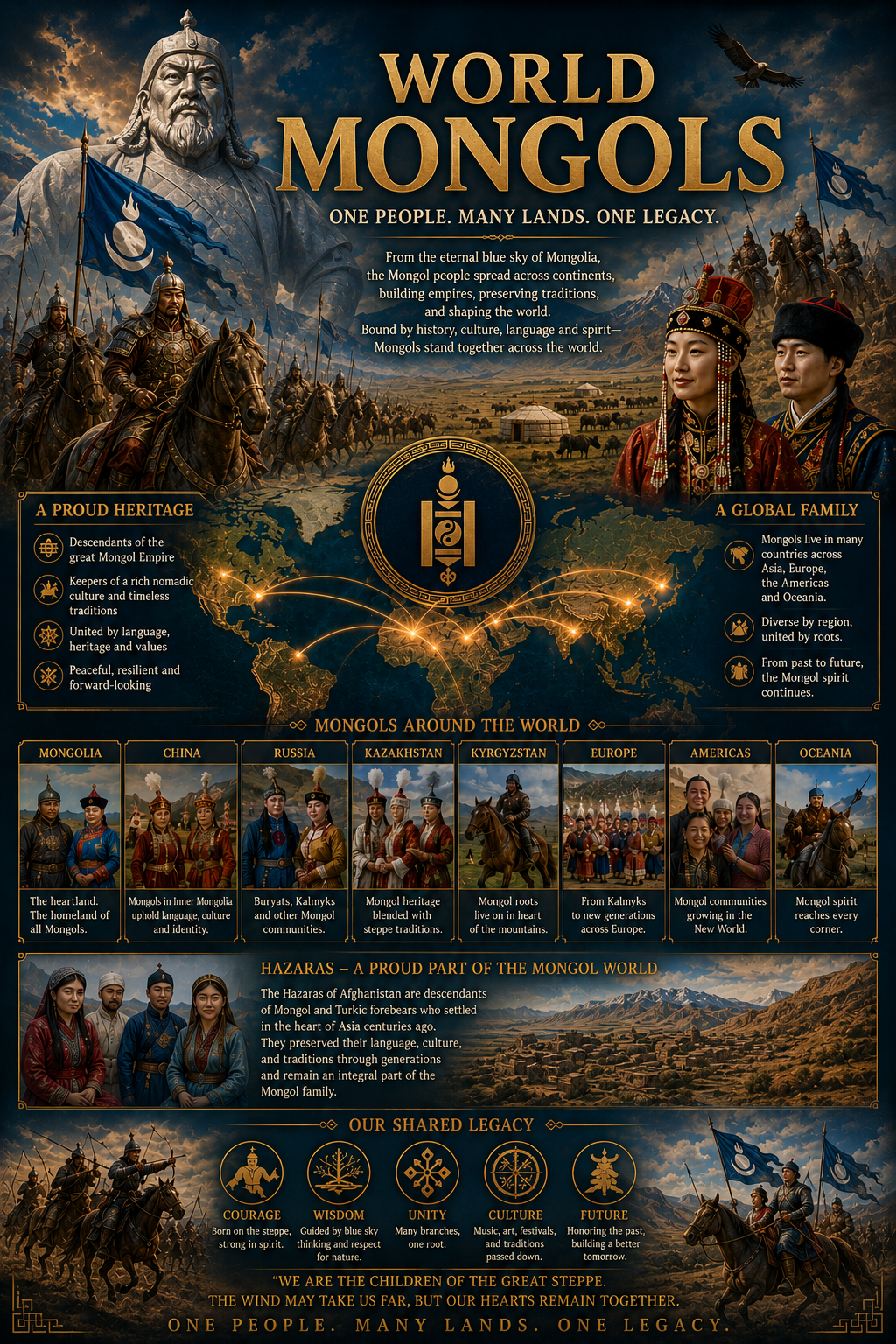
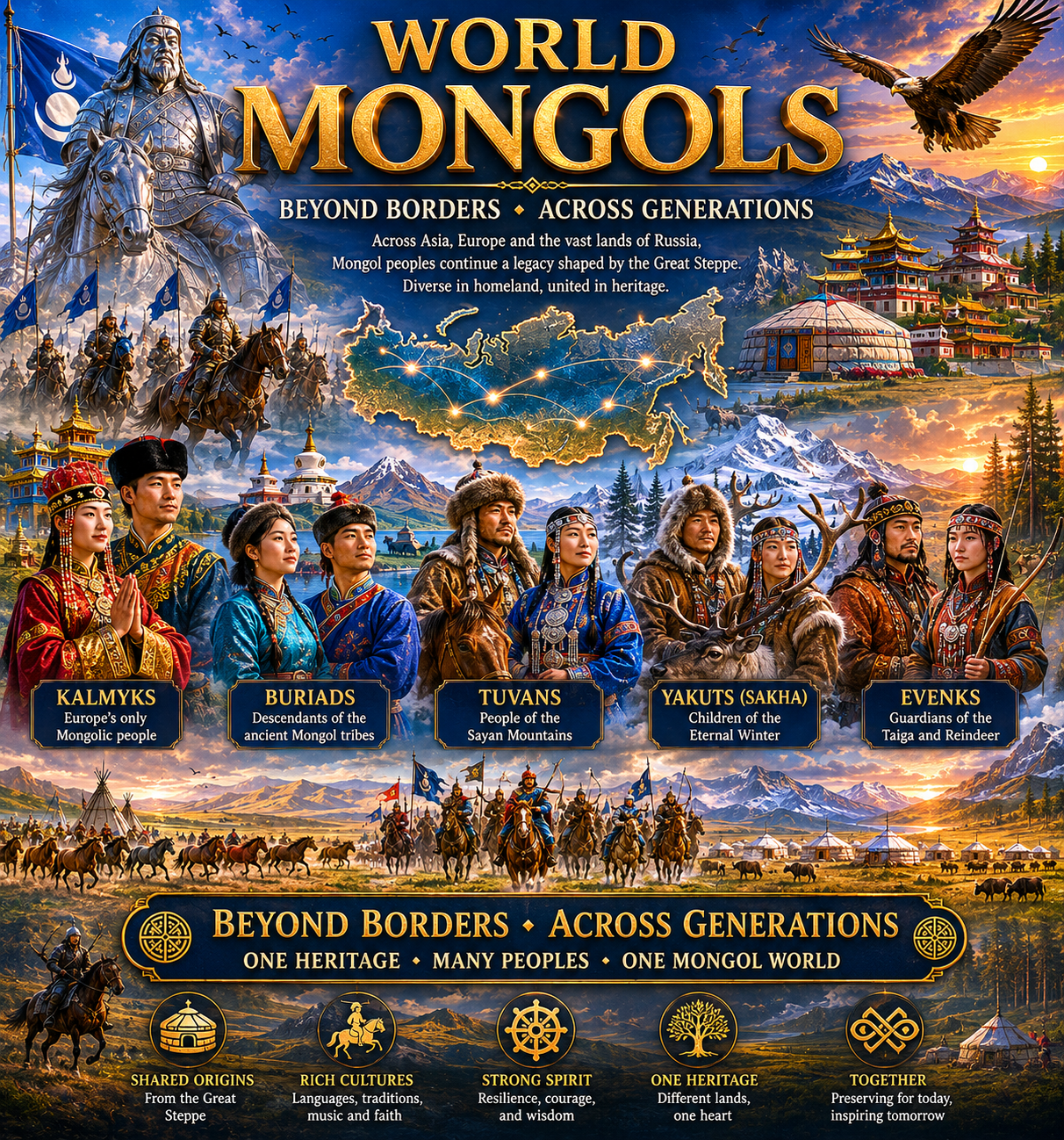
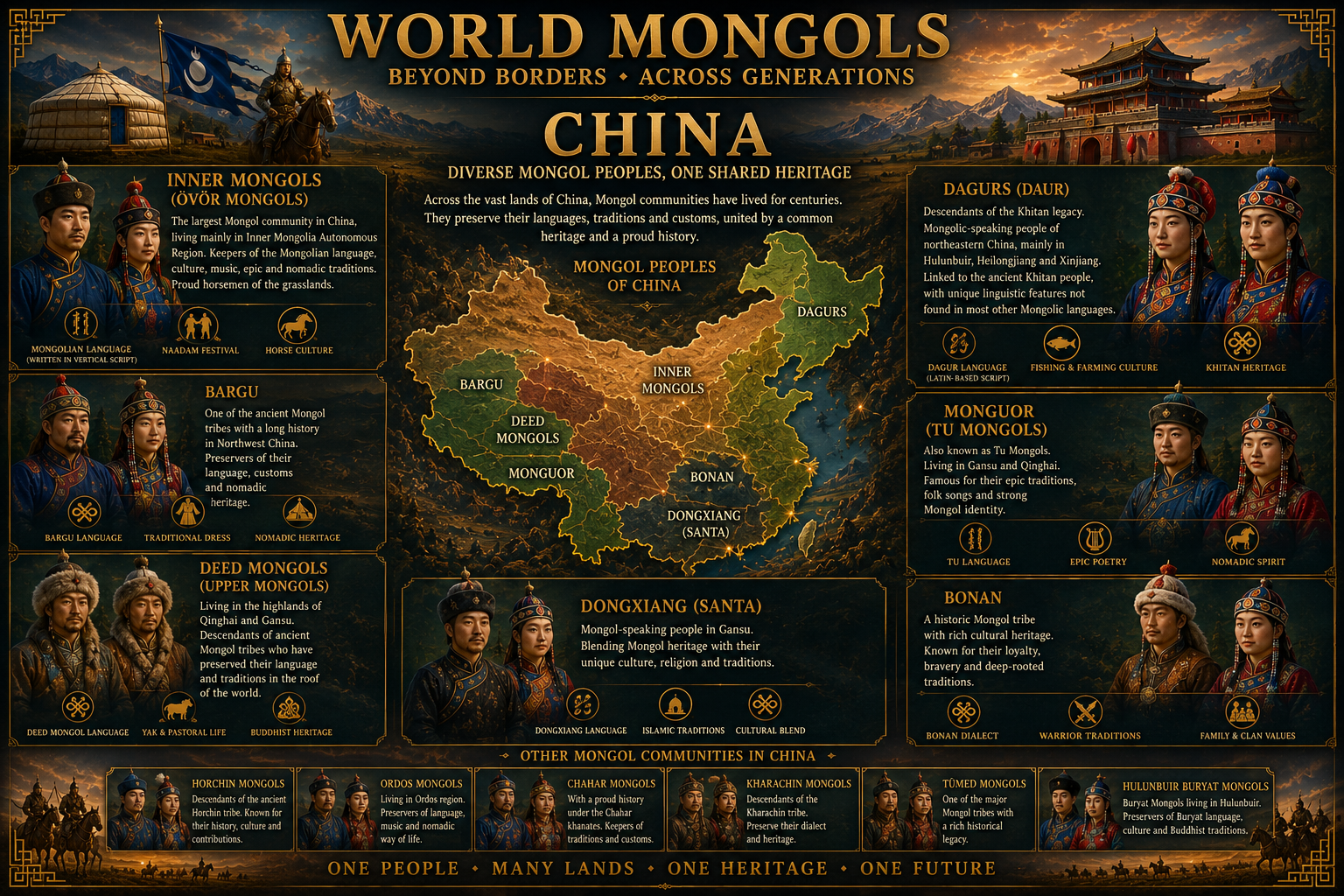
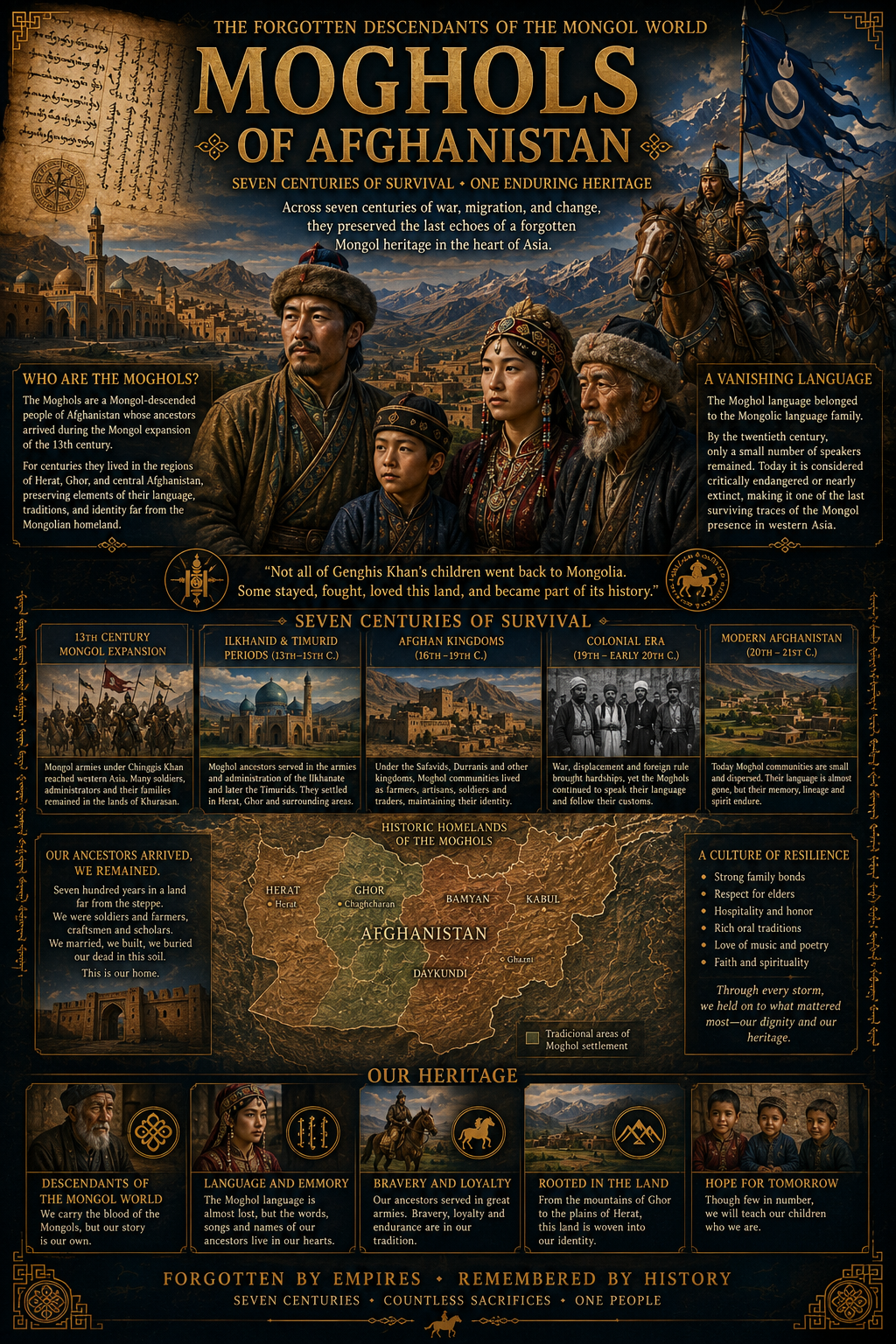
Across Asia, Europe, and the Americas, Mongol communities continue a legacy shaped by the Great Steppe. Diverse in homeland, united in heritage.
THE GREAT MUGHALS
Heirs of the Turco-Mongol World
Founded in 1526 by Babur, a descendant of both Genghis Khan and Timur, the Mughal Empire became one of the most powerful states in South Asian history.
From their capitals at Agra, Delhi, and Lahore, the Mughals ruled much of the Indian subcontinent for more than three centuries. They built magnificent cities, gardens, forts, and monuments, including the world-famous Taj Mahal.
The Mughal Empire blended Mongol, Turkic, Persian, and Indian traditions, creating a rich cultural legacy in architecture, literature, administration, and art. At its height under Akbar, Jahangir, Shah Jahan, and Aurangzeb, it was among the wealthiest and most influential empires in the world.
Although the empire declined during the eighteenth century and formally ended in 1857, its cultural and historical influence continues across South Asia today.
Timeline
1526 — Babur establishes the Mughal Empire 1556–1605 — Reign of Akbar the Great 1628–1658 — Shah Jahan builds the Taj Mahal 1658–1707 — Reign of Aurangzeb; empire reaches its greatest extent 1857 — End of the Mughal Empire
FROM THE STEPPES OF CENTRAL ASIA TO THE HEART OF INDIA
A MONGOL-TURCO DYNASTY THAT SHAPED SOUTH ASIA
HEIRS OF GENGHIS KHAN, BUILDERS OF AN EMPIRE
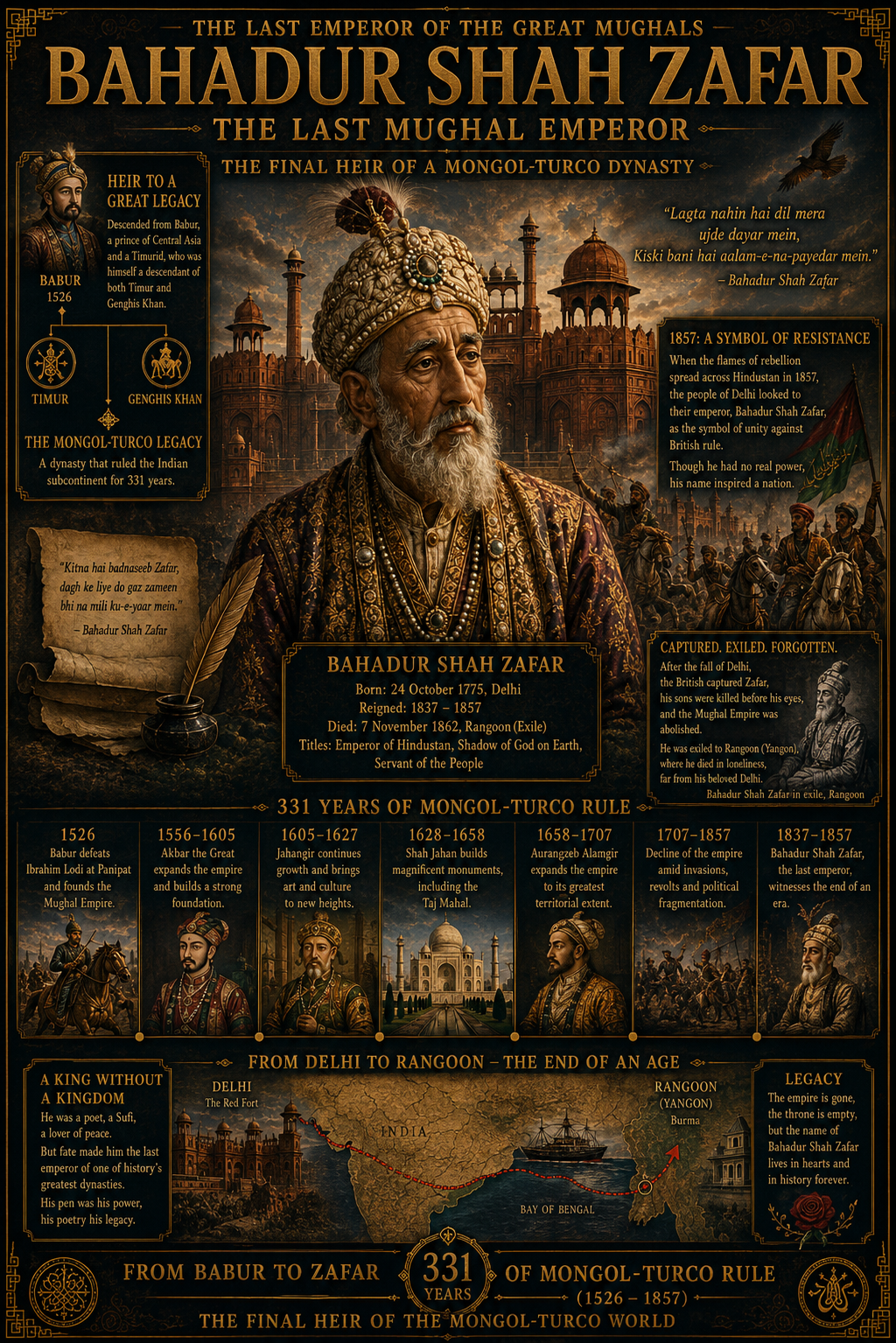
In 1857, as rebellion swept across northern India, the aging emperor Bahadur Shah Zafar became the symbolic leader of the uprising against British rule.
Though his political power was limited, he represented the final link to a dynasty founded by Babur more than three centuries earlier. Descended from the Turco-Mongol rulers of Central Asia, Zafar stood at the end of a lineage that traced its heritage to both Timur and the Mongol world.
Following the defeat of the rebellion, the British abolished the Mughal throne. Zafar was captured, exiled to Rangoon, and died far from Delhi in 1862.
With his death, one of history’s greatest Turco-Mongol empires came to an end.
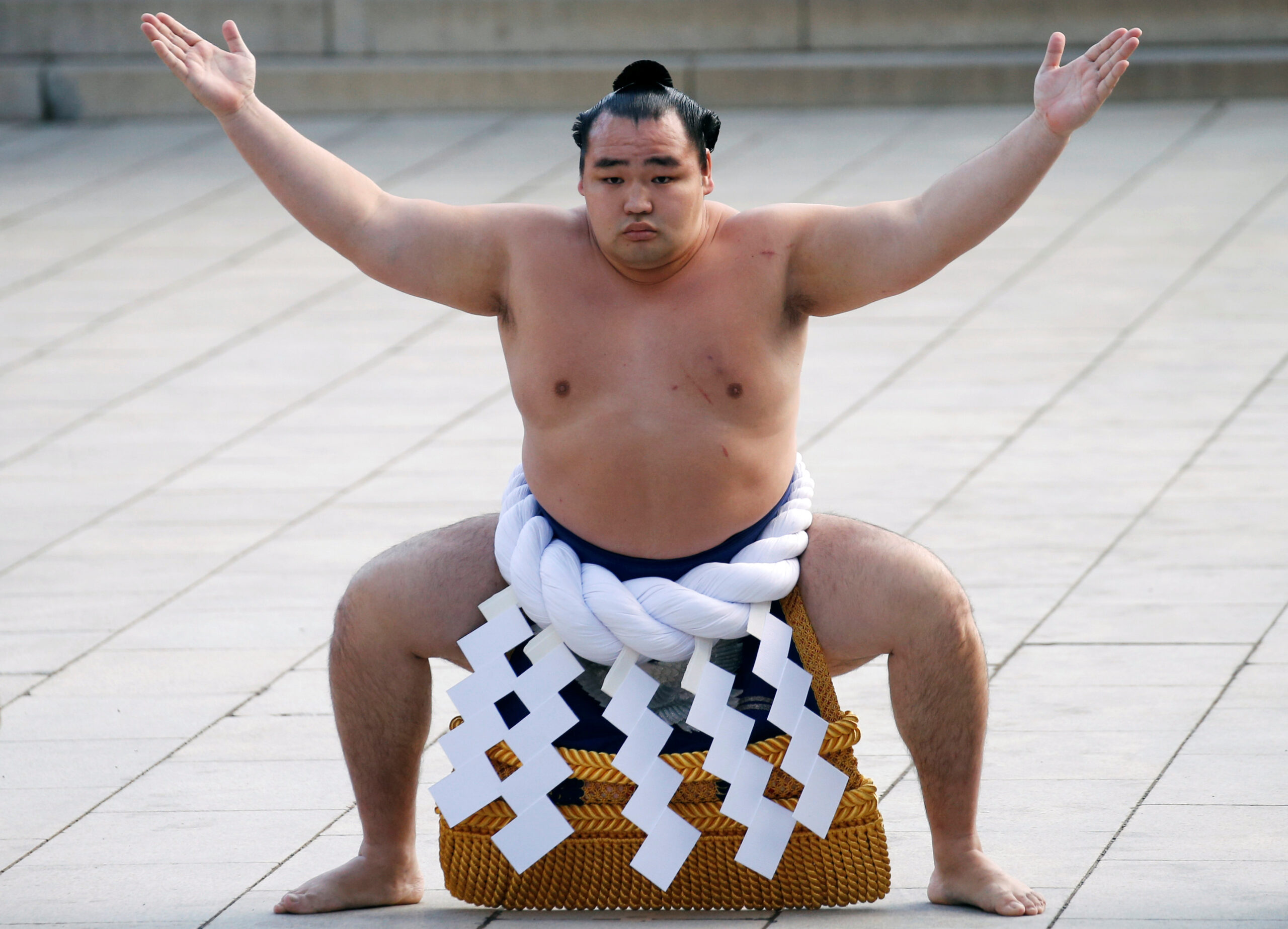
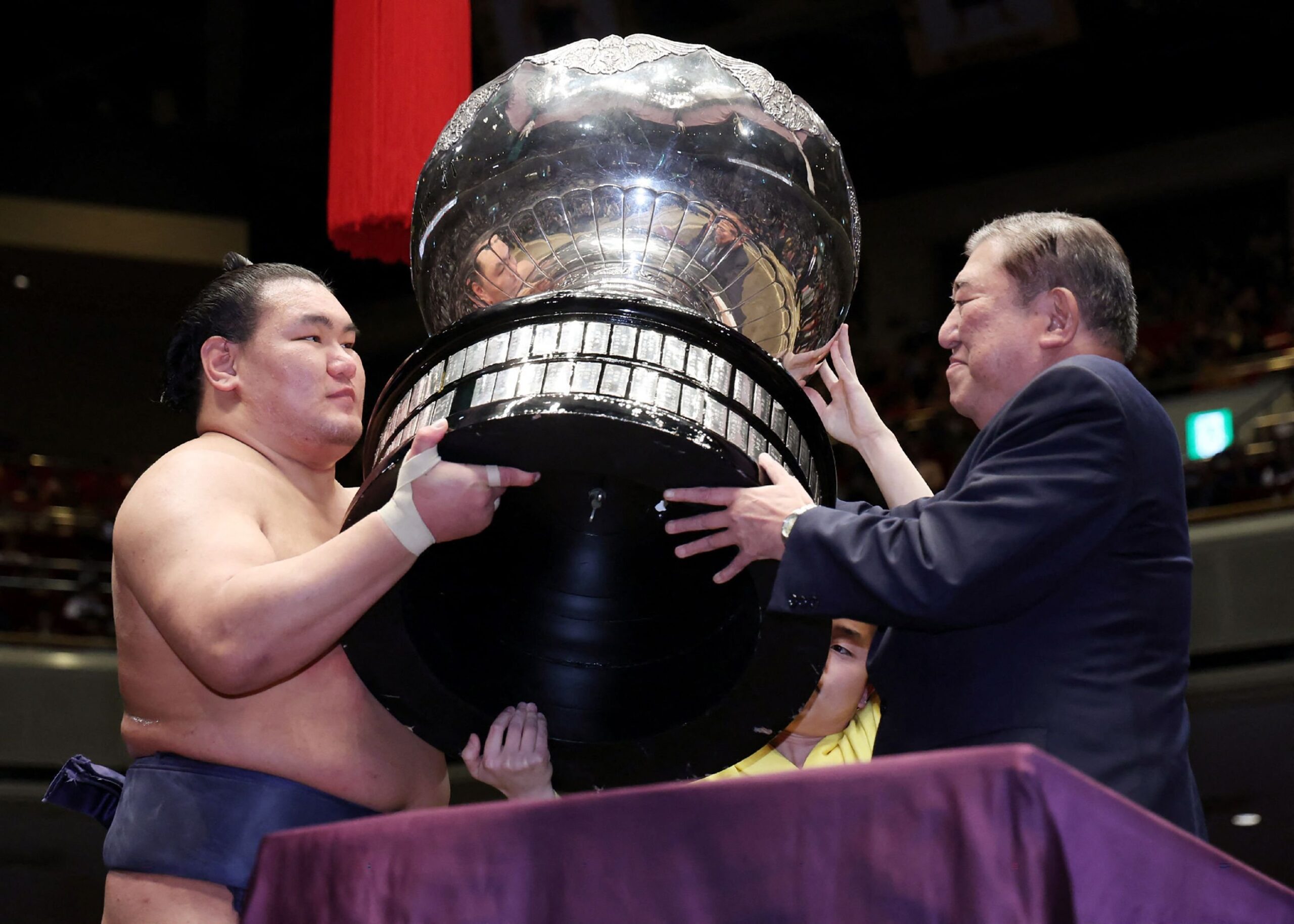
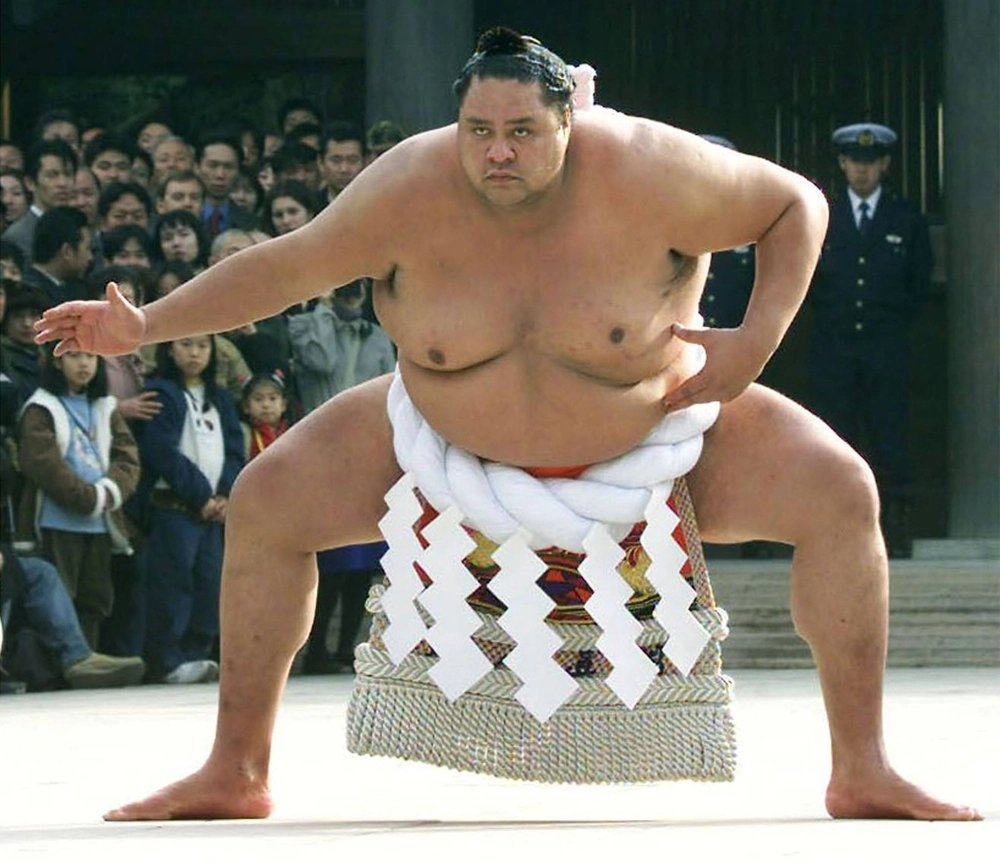
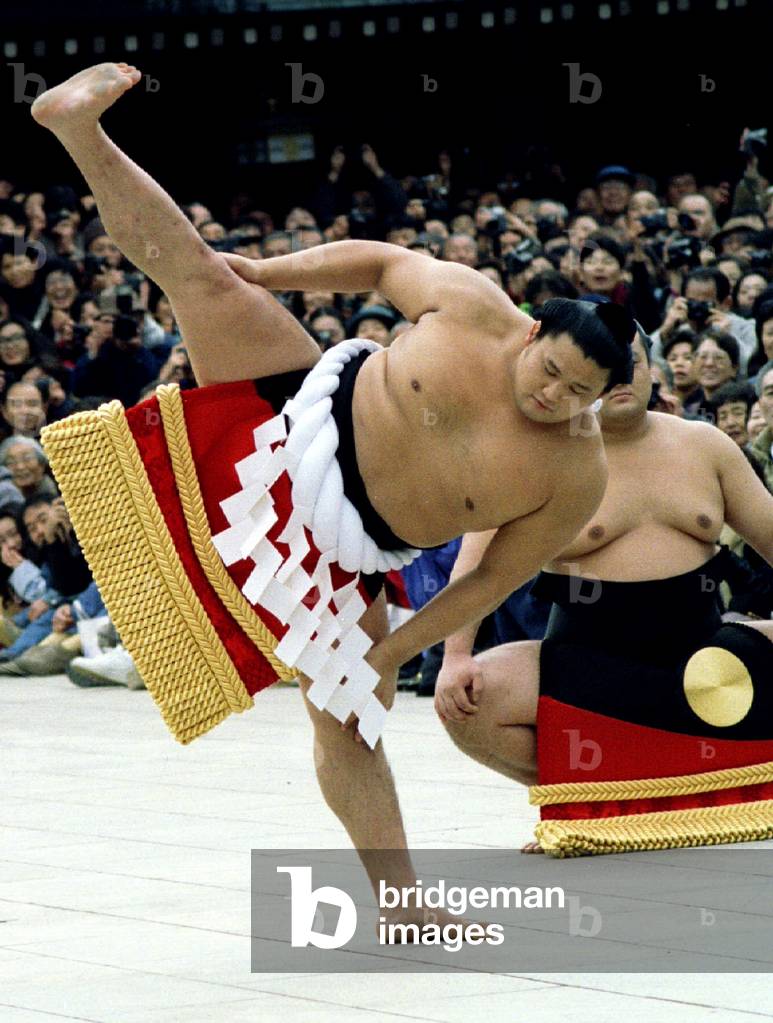
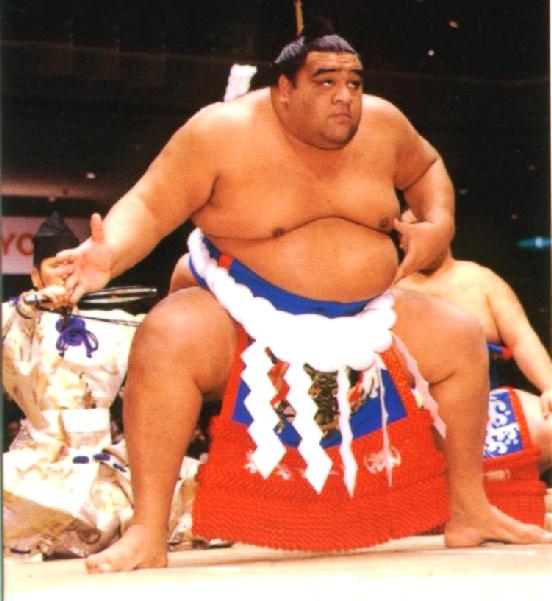
MONGOLIANS IN PROFESSIONAL SUMO
Professional sumo has become one of the most successful international arenas for Mongolian athletes. Since the early 2000s, Mongolian wrestlers have dominated Japan’s national sport, producing some of the greatest champions in the history of sumo.
Mongolian wrestlers have won hundreds of top-division championships and produced multiple Yokozuna, the highest rank in professional sumo. Their achievements transformed the sport and established Mongolia as a powerhouse in modern sumo wrestling.
ASASHORYU Akinori
Dolgorsurengiin Dagvadorj
First Mongolian Yokozuna
Promoted to Yokozuna in 2003
Won 25 top-division championships
One of the most dominant wrestlers in sumo history
HAKUHO Sho
Munkhbatyn Davaajargal
Widely regarded as the greatest sumo wrestler of all time
Won a record 45 Emperor’s Cups
Held numerous all-time records in professional sumo
Yokozuna from 2007 to 2021
HARUMAFUJI Kohei
Davaanyamyn Byambadorj
70th Yokozuna
Won 9 top-division championships
Known for speed, technique, and fighting spirit
KAKURYU Rikisaburo
Mangaljalavyn Anand
71st Yokozuna
Won 6 top-division championships
One of the most technically skilled wrestlers of his generation
TERUNOFUJI Haruo
Gantulgyn Gan-Erdene
73rd Yokozuna
Completed one of the greatest comebacks in sports history
Returned from severe injuries and lower divisions to reach Yokozuna rank
Multiple Emperor’s Cup winner
MONGOLIA’S SUMO LEGACY
Since Kyokushuzan’s arrival in Japan in the early 1990s, Mongolian wrestlers have reshaped professional sumo. Their success has inspired generations of athletes and strengthened cultural ties between Mongolia and Japan.
Today, Mongolia remains one of the most influential nations in professional sumo, producing champions whose names stand among the greatest in the history of the sport.