
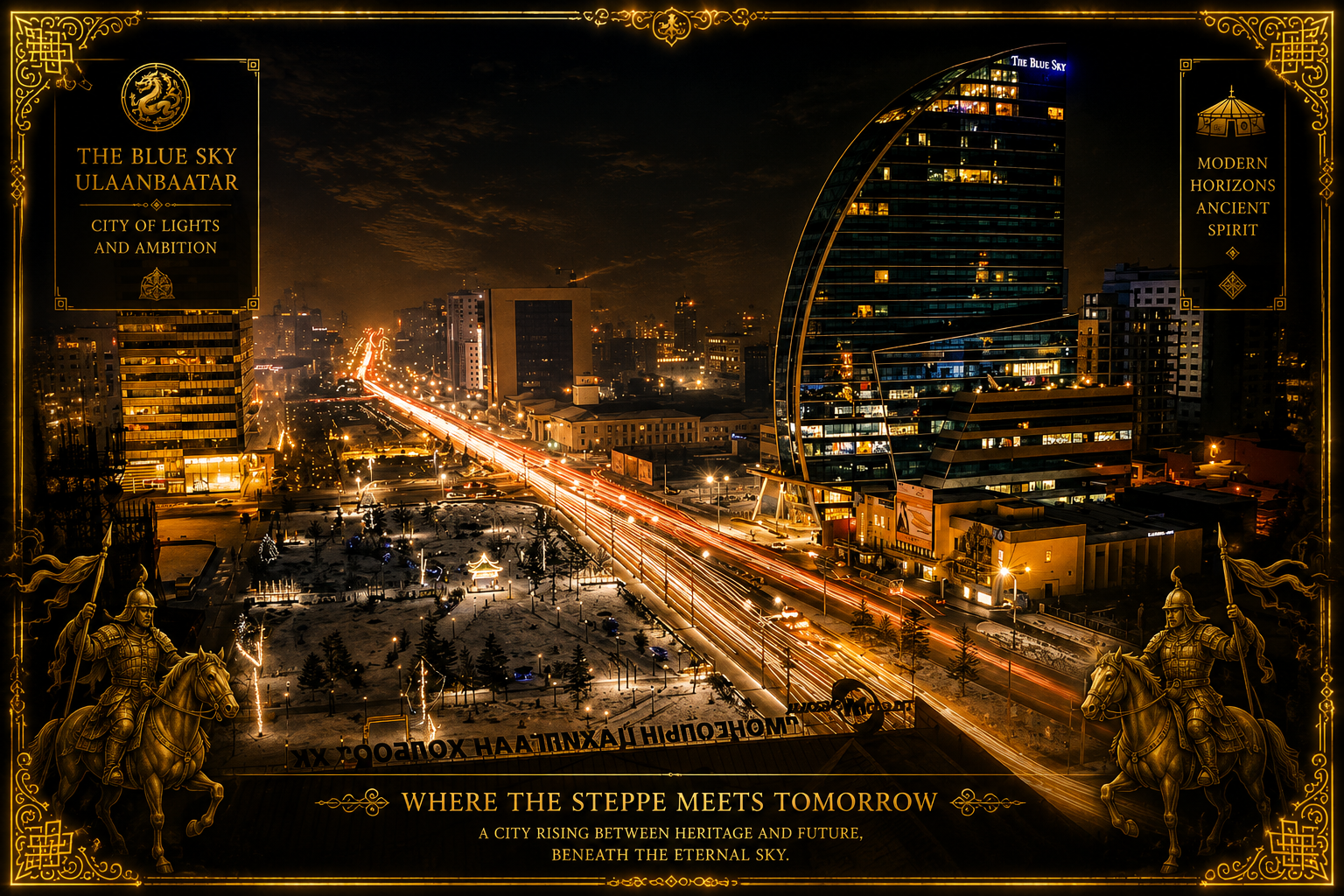
Land, People, and Legacy
Explore Mongolia’s landscapes, history, culture, and enduring traditions. From the vast grasslands of the steppe to the heritage of nomadic civilization, discover the land that stood at the crossroads of Eurasian history.
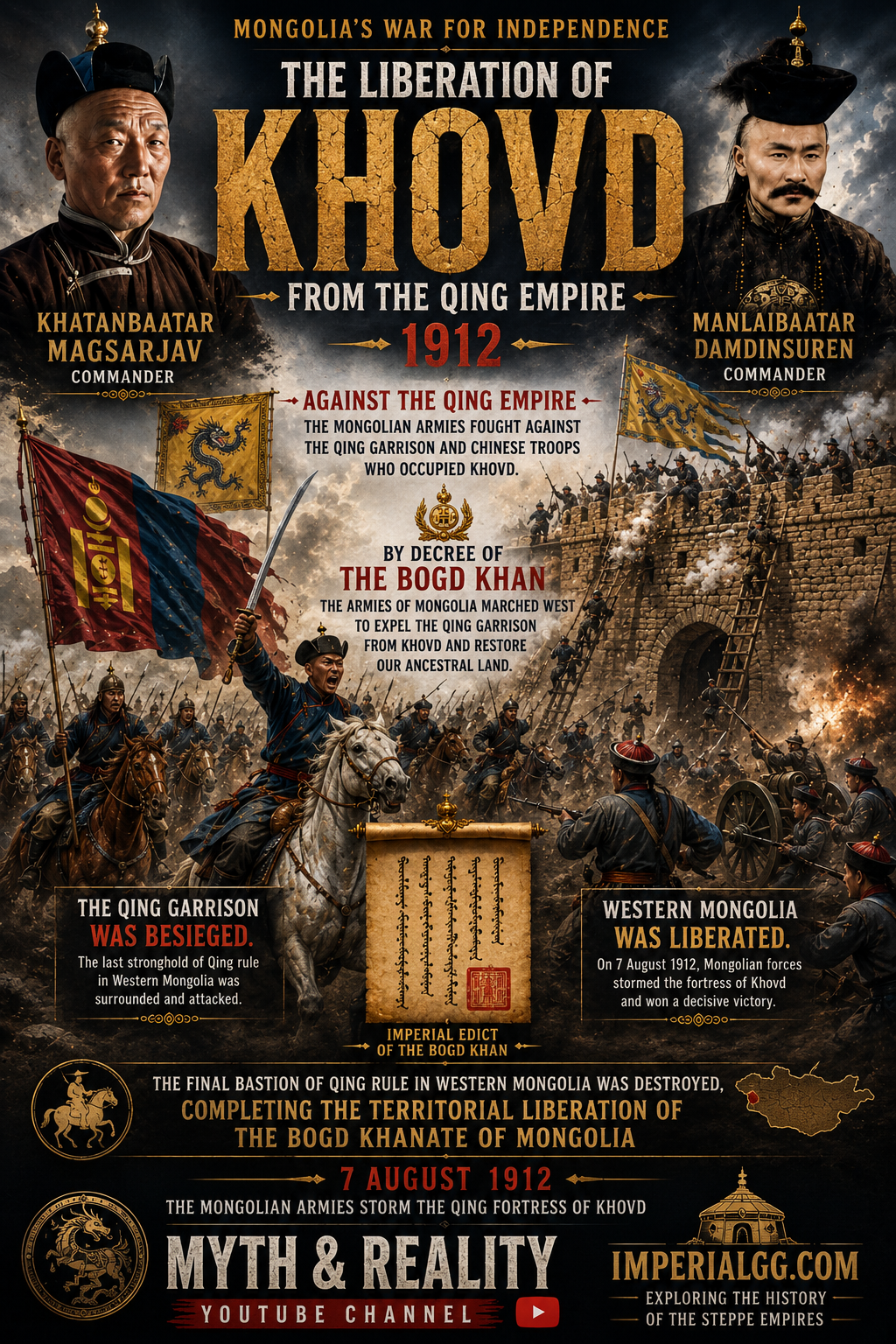
The Liberation of Khovd in 1912: Consolidating the Territorial Sovereignty of the Bogd Khanate of Mongolia
By Altanbagana Baatar
DBA Candidate| Independent Historian
ImperialGG Historical Research Seriers
06 June 2026
Abstract
The liberation of Khovd in 1912 constituted one of the most significant military achievements of Mongolia’s National Revolution of 1911. Although Mongolia had proclaimed its independence from the Qing Empire in December 1911, effective control over all Mongolian territories remained incomplete. Khovd, the principal administrative and military center of western Mongolia, continued to be held by Qing forces and represented the last major bastion of Qing authority in the region. The capture of Khovd by Mongolian forces in August 1912 not only eliminated this remaining stronghold but also consolidated the territorial integrity and political legitimacy of the newly established Bogd Khanate of Mongolia. This article examines the strategic importance of Khovd, the military campaign leading to its liberation, and its broader historical significance within the context of Mongolia’s state-building process.
Introduction
The collapse of the Qing Empire in the early twentieth century fundamentally altered the political landscape of Inner Asia. On 29 December 1911, Outer Mongolia proclaimed its independence and enthroned the Eighth Jebtsundamba Khutuktu as the Bogd Khan, thereby establishing the Bogd Khanate of Mongolia.^1 Yet the declaration of independence did not automatically translate into effective sovereignty over all territories historically associated with Mongolia.
In western Mongolia, the city of Khovd remained under the authority of Qing officials and their military garrison. Because of its strategic location and its role as the administrative center of the frontier, Khovd posed both a political and military challenge to the newly established Mongolian government. So long as the city remained in Qing hands, Mongolia’s independence could not be regarded as territorially complete.
The Strategic Importance of Khovd
Since the eighteenth century, Khovd had served as one of the Qing Empire’s principal frontier administrative centers in western Mongolia.^2 The city housed the Qing amban, maintained a permanent military garrison, and functioned as an important commercial center connecting Mongolia with Xinjiang and Central Asia.
Control of Khovd was therefore of considerable strategic importance. The city represented the institutional embodiment of Qing authority in western Mongolia and served as the primary instrument through which the Qing administration exercised political influence over the Oirat and western Mongolian tribes.
Following Mongolia’s declaration of independence in 1911, the Qing authorities in Khovd refused to recognize the new government in Urga and anticipated military assistance from neighboring regions of China and Xinjiang.^3 The persistence of Qing control in Khovd consequently became a matter of national security for the Bogd Khanate.
Preparations for the Campaign
In the spring of 1912, the Mongolian government resolved to launch a military expedition to liberate Khovd. The campaign represented a broad national effort and involved not only troops from Khalkha Mongolia but also contingents drawn from the Dörbet, Torgut, Zakhchin, and Ööld communities of western Mongolia.^4
The operation was commanded by two distinguished military leaders, Magsarjav and Damdinsüren, both of whom would later become celebrated national heroes. Although the Mongolian forces were relatively poorly equipped and possessed limited artillery and ammunition, they benefited from superior mobility, extensive local support, and a strong sense of national purpose.^5
The campaign therefore reflected an important characteristic of the Mongolian Revolution itself: the mobilization of diverse regional groups in pursuit of a common political objective—the preservation and consolidation of national independence.
The Siege and Capture of Khovd
By late July 1912, Mongolian forces had surrounded Khovd and effectively isolated the city from external assistance.^6 The defenders occupied a fortified settlement protected by earthen walls and manned by Qing troops and local auxiliaries.
After several weeks of siege operations and intermittent skirmishes, the Mongolian commanders decided to launch a general assault. On 7 August 1912, Mongolian troops attacked from multiple directions and succeeded in breaching the city’s defenses.^7
Fierce fighting ensued within the city itself. Despite determined resistance by the defenders, the Mongolian forces ultimately secured victory and captured Khovd. The fall of the city marked the destruction of the last major Qing military position in western Mongolia.
Contemporary accounts emphasize not only the courage of the attacking forces but also the substantial assistance provided by local inhabitants, whose cooperation contributed significantly to the success of the campaign.^8
Historical Significance
The liberation of Khovd had consequences extending far beyond the capture of a single city. First, it effectively terminated Qing authority in western Mongolia and brought most of the region under the control of the Bogd Khanate.^9
Second, the victory greatly strengthened the legitimacy of the new Mongolian state. Independence proclaimed in 1911 had now been reinforced through military success and territorial consolidation.
Third, the campaign demonstrated the capacity of the nascent Mongolian state to organize military operations and defend its sovereignty. This achievement carried important symbolic significance, fostering a sense of national unity among diverse Mongolian communities.
In recognition of their services, Magsarjav and Damdinsüren were awarded the titles of Khatanbaatar (“Heroic Champion”) and Manlaibaatar (“Foremost Hero”), respectively, and entered the pantheon of Mongolia’s national heroes.^10
Conclusion
The liberation of Khovd in 1912 occupies a central place in the history of modern Mongolia. It was not merely a local military engagement but a decisive step in the consolidation of Mongolia’s territorial sovereignty and statehood. By eliminating the final major center of Qing authority in western Mongolia, the campaign transformed Mongolia’s declaration of independence into a more tangible political reality.
As such, the Battle of Khovd should be understood as one of the defining episodes of the Mongolian National Revolution and an essential milestone in the formation of the modern Mongolian state.
Notes
- Christopher P. Atwood, Encyclopedia of Mongolia and the Mongol Empire (New York: Facts on File, 2004), 39–40.
- Urgunge Onon and Derrick Pritchatt, Asia’s First Modern Revolution: Mongolia Proclaims Its Independence in 1911 (Leiden: Brill, 1989), 116.
- B. Shirendev, History of the Mongolian People’s Revolution, vol. 1 (Ulaanbaatar, 1969), 148–150.
- J. Boldbaatar, History of Mongolia (Ulaanbaatar, 2011), 344.
- L. Jamsran, A Concise History of Mongolian Military Affairs, vol. 2 (Ulaanbaatar, 1996), 87.
- Onon and Pritchatt, Asia’s First Modern Revolution, 119.
- D. Gongor, Khalkh Tovchoon, vol. 2 (Ulaanbaatar, 1978), 412.
- Khatanbaatar Magsarjav, My Service to the Mongolian State (Ulaanbaatar, 1994), 53–56.
- Atwood, Encyclopedia of Mongolia and the Mongol Empire, 309.
- L. Jamsran, A Concise History of Mongolian Military Affairs, 89–90.
Bibliography
Atwood, Christopher P. Encyclopedia of Mongolia and the Mongol Empire. New York: Facts on File, 2004.
Boldbaatar, J. History of Mongolia. Ulaanbaatar, 2011.
Gongor, D. Khalkh Tovchoon. Vol. 2. Ulaanbaatar, 1978.
Jamsran, L. A Concise History of Mongolian Military Affairs. Vol. 2. Ulaanbaatar, 1996.
Magsarjav, Khatanbaatar. My Service to the Mongolian State. Ulaanbaatar, 1994.
Onon, Urgunge, and Derrick Pritchatt. Asia’s First Modern Revolution: Mongolia Proclaims Its Independence in 1911. Leiden: Brill, 1989.
Shirendev, B. History of the Mongolian People’s Revolution. Vol. 1. Ulaanbaatar, 1969.
MONGOLIA
Mongolia is divided into 21 provinces (aimags) and the capital city of Ulaanbaatar. Each aimag has its own unique geography, culture, and economic role.
These aimags include:
Arkhangai, Bayan-Ölgii, Bayankhongor, Bulgan, Darkhan-Uul, Dornod, Dornogovi, Dundgovi, Govi-Altai, Govisümber, Khentii, Khovd, Khövsgöl, Ömnögovi, Orkhon, Selenge, Sükhbaatar, Töv, Uvs, Zavkhan, and Ulaanbaatar (capital city).
From the forested north (Khövsgöl) to the vast Gobi Desert (Ömnögovi), Mongolia’s provinces represent a diverse and rich landscape shaped by history and nature.


Mongolian Academy of Intelligence
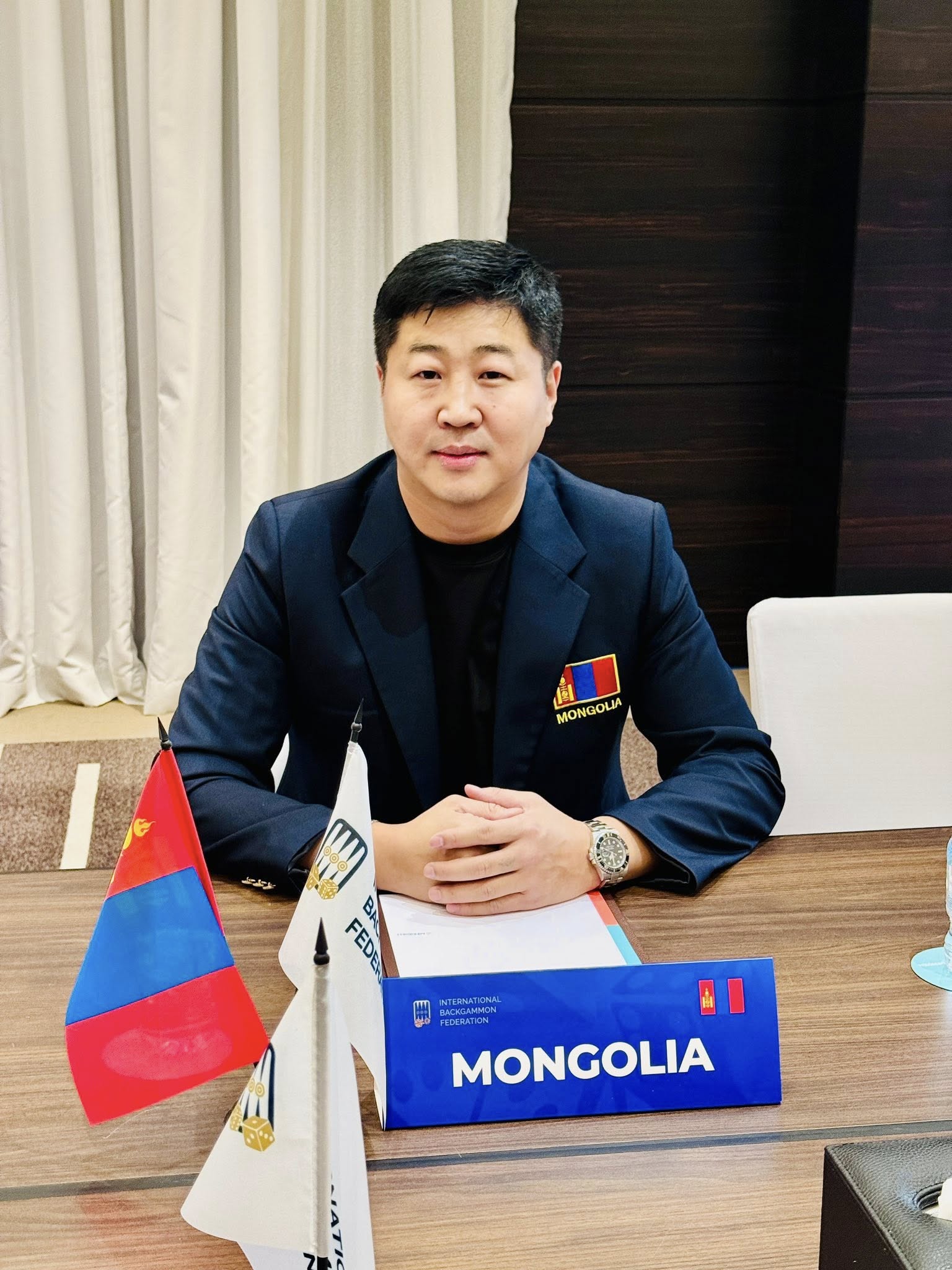
Khandsuren Khatanbaatar is the founder of the Mongolian Intellectual Academy (Mongolian Academy of Intelligence / Mongolian Academy of Mastermind), established in 2009–2010 as an institution focused on mind sports, memory training, accelerated learning, speed reading, and cognitive development.
Education and Early Background
Khatanbaatar studied in Türkiye and graduated from Gazi University with a law degree and later pursued graduate studies in public administration. During his student years, he became interested in:
- memory systems and mnemonics
- speed reading
- mind mapping
- mental calculation and cognitive training
These studies later formed the intellectual basis for the Academy’s methodology.
Mind Sports Career
Khatanbaatar is widely recognized as one of Mongolia’s pioneering mind athletes and memory trainers. He earned international recognition through memory competitions and became known as a major promoter of memory sports in Mongolia. Sources identify him as a World Memory Championship silver medalist and founder of later international educational initiatives as well.
Building the Mongolian Intellectual Academy
Under his leadership, the Academy expanded from a training center into a broader educational network covering:
- Memory sports
- Mental arithmetic (Soroban / abacus)
- Speed reading
- Rubik’s Cube and sport stacking
- IQ and cognitive development programs
- Competition preparation
The institution reportedly expanded to dozens of branches domestically and internationally, with students winning large numbers of medals and world records in memory sports.
Educational Philosophy
Khatanbaatar’s approach goes beyond memorization itself. His central idea is often described as “learning how to learn” — improving learning speed, concentration, and intellectual performance through systematic methods and training.
He has emphasized that memory sports are not innate talent alone but techniques that can be taught and practiced.
Mongolian Mind Athletes: A Decade of World Excellence (2016–2025)
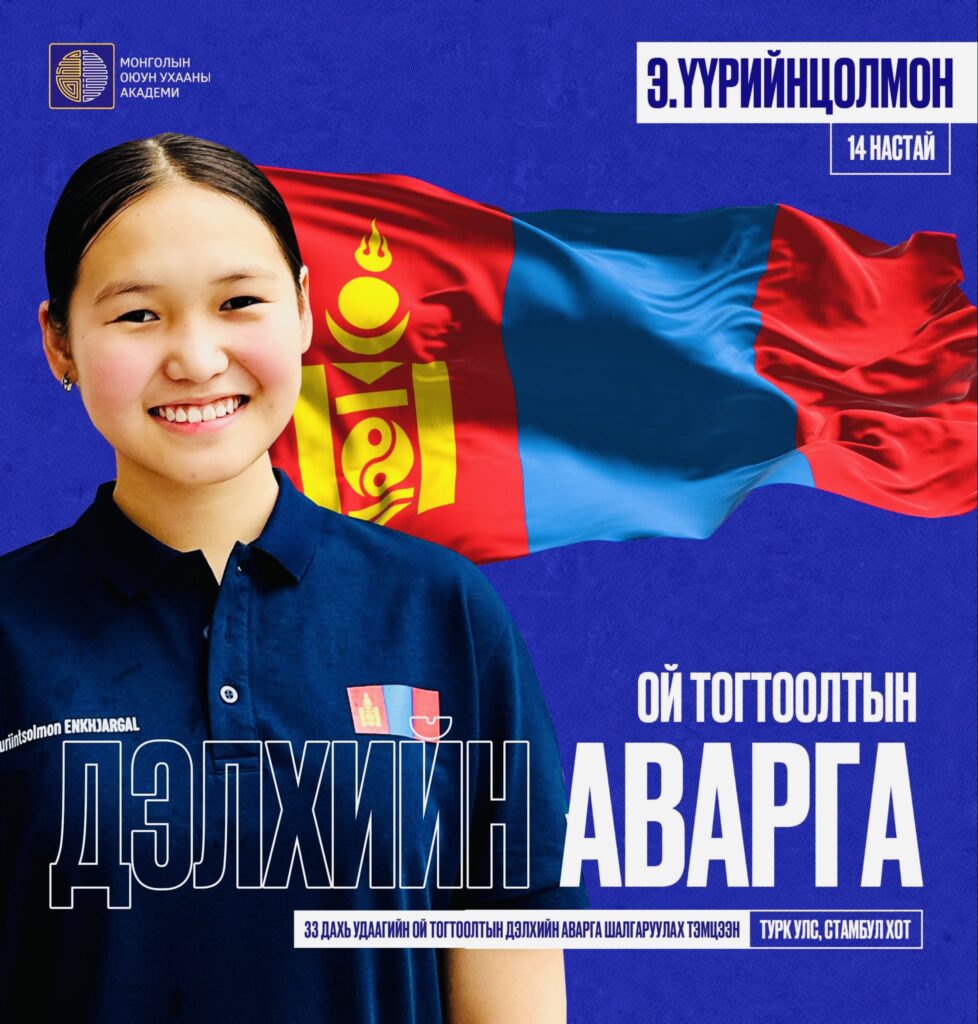
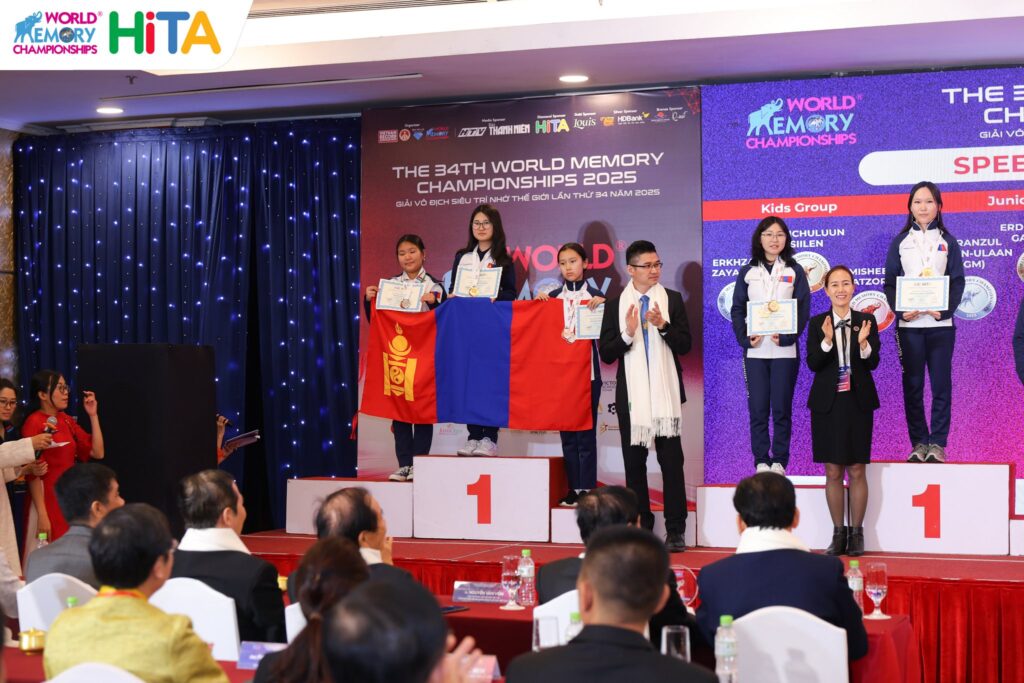
Over the last decade, Mongolia has emerged as one of the world’s leading powers in mind sports and memory championships. Mongolian athletes have produced multiple world champions, set international records, and consistently ranked among the global elite in memory sports. From junior champions to adult world titles, Mongolian competitors have demonstrated remarkable excellence in memory, speed cards, cognitive performance, and intellectual competitions. Between 2017 and 2025, Mongolia produced several World Memory Champions and earned more than a thousand international medals.
This period represents the “Golden Decade” of Mongolian intellectual sports, establishing Mongolia as a major force on the world stage.
By the late 2010s, Mongolia had become one of the leading countries in memory sports, producing multiple world champions, international grandmasters, and Guinness record holders despite its small population.


Guinness World Records – Mongolian Mind Athletes
Mongolian memory athletes have achieved several Guinness-recognized world records in memory sports, establishing Mongolia as one of the strongest nations in the field.
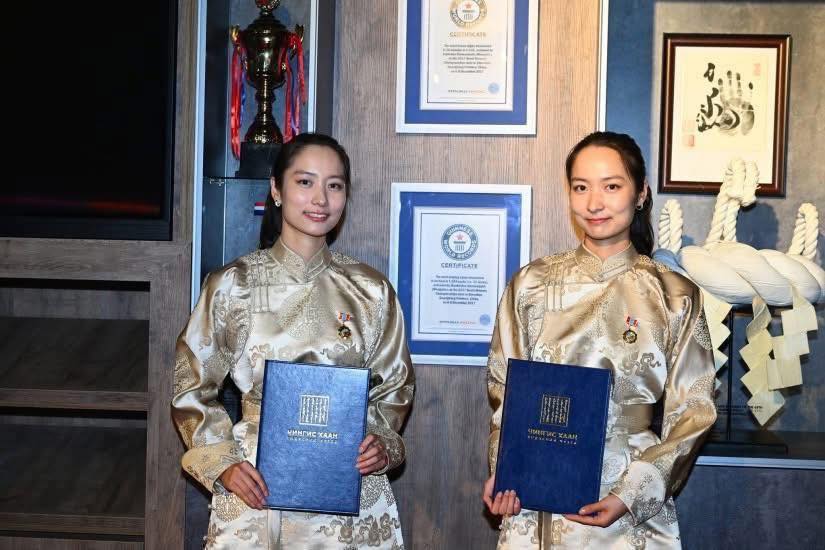
Twin Guinness Record Holders – Munkhshur & Enkhshur Narmandakh (2017)
At the 26th World Memory Championships (2017):
- Enkhshur Narmandakh memorized 5,445 binary digits in 30 minutes, earning a Guinness World Record recognition.
- Munkhshur Narmandakh memorized 37 decks of playing cards in one hour, also entering the Guinness World Records.
The twin sisters became internationally recognized as Mongolia’s Guinness World Record memory athletes and later accumulated more than 200 awards and dozens of trophies.
Shijir-Erdene Bat-Enkh – Speed Cards World Record
Mongolian memory athlete Shijir-Erdene Bat-Enkh set the world speed cards record by memorizing a shuffled deck of cards in 12.74 seconds (2017), becoming one of the fastest memory performances ever recorded.
Mongolia’s Global Legacy
By the late 2010s, Mongolia had become one of the leading countries in memory sports, producing multiple world champions, international grandmasters, and Guinness record holders despite its small population.
THE OLYMPIC HISTORY OF MONGOLIA
THE OLYMPIC HISTORY OF MONGOLIA
Mongolia began participating in the Olympic Games in 1964 and has since taken part in almost every Summer Olympic Games. The only exception was the 1984 Summer Olympics in Los Angeles, which Mongolia did not attend due to the boycott led by the Soviet Union and other socialist countries.
In the Winter Olympics, Mongolia has also participated since 1964, missing only the 1976 Winter Olympic Games. However, the country has yet to win a Winter Olympic medal.
The Mongolian National Olympic Committee was established in 1956. Following Mongolia’s admission to the United Nations in 1961, the International Olympic Committee officially recognized the committee in 1962.
Tokyo 1964 – Mongolia’s Olympic Debut
Mongolia made its Olympic debut at the 1964 Tokyo Olympic Games, where 21 athletes competed in freestyle wrestling, shooting, athletics, cycling, and artistic gymnastics.
Mexico City 1968
In 1968, sixteen athletes represented Mongolia at the Mexico City Olympic Games. The team won one silver medal through Jigjidiin Munkhbat and three bronze medals through Chimidbazaryn Damdinsharav, Danzandarjaagiin Sereeter, and Tumuriin Artag. Two additional athletes achieved diploma positions. Mongolia finished 27th among 112 participating nations.
Munich 1972
At the 1972 Munich Olympic Games, Mongolia sent 41 athletes and won one silver medal through Khorloogiin Bayanmunkh. The nation also earned two diploma finishes and ranked 36th among 121 countries.
Montreal 1976
At the 1976 Montreal Olympic Games, 33 Mongolian athletes competed. Zevegiin Oidov won a silver medal, while four athletes earned diploma positions. Mongolia finished 35th among 92 participating nations.
Moscow 1980
At the 1980 Moscow Olympic Games, Mongolia was represented by 43 athletes and won two silver medals through J. Davaajav and Ts. Damdin, as well as two bronze medals through D. Oyunbold and R. Davaadalai. The team also achieved five diploma finishes and ranked 22nd among 80 participating nations.
Los Angeles 1984
Mongolia did not compete at the 1984 Los Angeles Olympic Games because the socialist countries chose not to participate.
Seoul 1988
At the 1988 Seoul Olympic Games, Mongolia’s 28 athletes won one bronze medal through Nerguin Enkhbat. Sambist Sodnomyn Erkhembayar won a silver medal in a demonstration event, and Mongolian athletes achieved four diploma finishes. The country ranked 47th among 159 participating nations.
Barcelona 1992
At the 1992 Barcelona Olympic Games, Mongolia sent 33 athletes and won two bronze medals through Namjilyn Bayarsaikhan and Dorjsurengiin Munkhbayar.
Two more athletes earned diploma positions, and Mongolia finished 48th among 169 countries.
Atlanta 1996
At the 1996 Atlanta Olympic Games, Mongolia competed with 18 athletes and won one bronze medal through judoka Dorjpalamyn Narmandakh. The nation ranked 71st among 179 participating countries.
Sydney 2000
At the 2000 Sydney Olympic Games, Mongolia sent 20 athletes. Shooter Otryadyn Gundegmaa achieved a diploma finish, but the team returned home without a medal. Mongolia finished 150th among 199 participating nations.
Athens 2004
At the 2004 Athens Olympic Games, Khashbaataryn Tsagaanbaatar won Mongolia’s only medal, a bronze in judo.
Beijing 2008 – A Historic Breakthrough
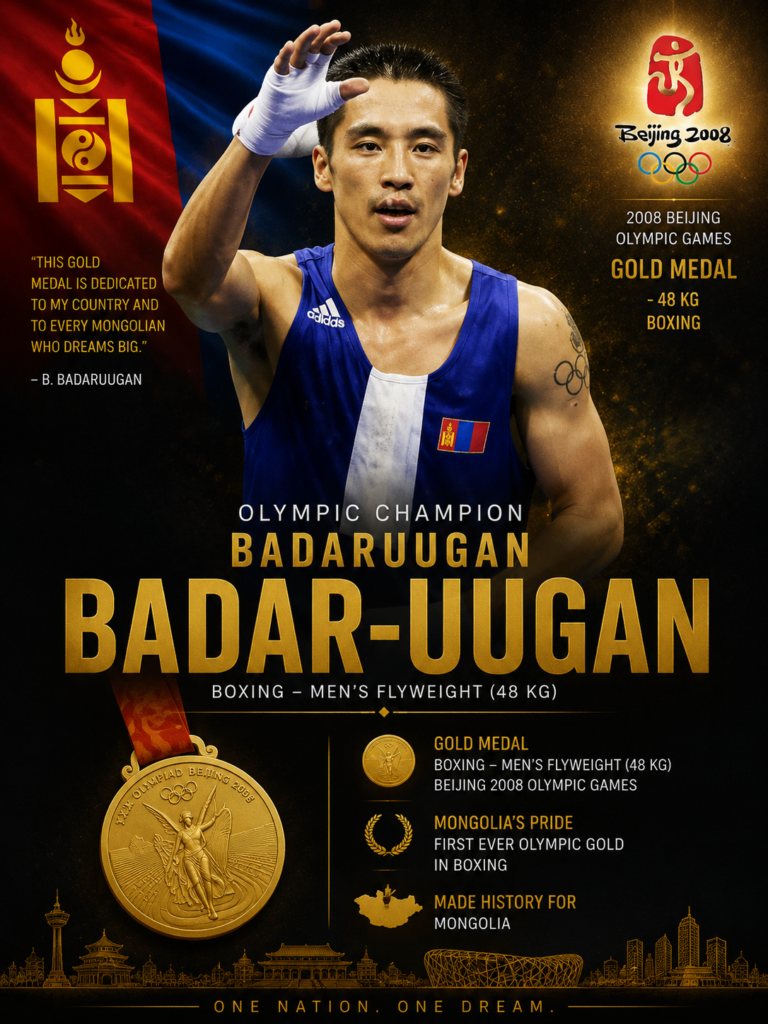
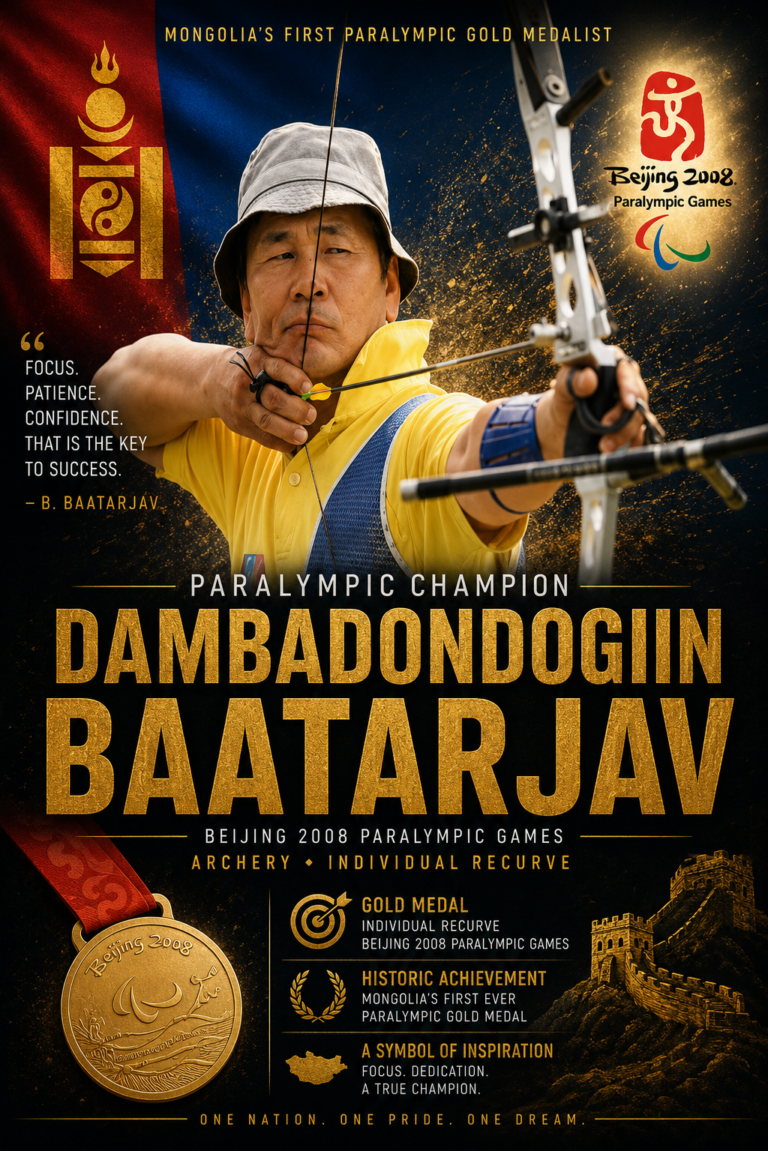
The 2008 Beijing Olympic Games marked a historic breakthrough for Mongolian sport. Twenty-eight athletes represented the country. Naidangiin Tuvshinbayar won gold in the men’s −100 kg judo event, while Enkhbatyn Badar-Uugan won gold in boxing, earning Mongolia’s first Olympic gold medals. Otryadyn Gundegmaa won a silver medal in the women’s 25 metre pistol event, and boxer Purevdorjiin Serdamba also claimed a silver medal.
London 2012
At the 2012 London Olympic Games, Olympic champion Naidangiin Tuvshinbayar won a silver medal, becoming Mongolia’s first double Olympic medalist. Niyambayaryn Tugstsogt won silver in boxing, while Sainjargalyn Nyam-Ochir, Soronzonboldyn Battsetseg, and Munkh-Erdeniin Uranchimeg won bronze medals. Mongolia returned home with a record five Olympic medals.
Rio de Janeiro 2016
At the 2016 Rio de Janeiro Olympic Games, judoka Dorjsurengiin Sumiyaa won a silver medal, while boxer Dorjnyambuugiin Otgondalai earned a bronze medal.
Tokyo 2020
At the 2020 Tokyo Olympic Games, Mongolia qualified 38 Olympic berths across eight sports and was represented by 43 athletes. The Games also marked a historic first, with five Mongolian international officials serving as Olympic judges and referees.
Mongolia’s Olympic Legacy
To date, Mongolia has won a total of 30 medals at the Summer Olympic Games: 2 gold, 11 silver, and 17 bronze.
Mongolian athletes have won Olympic medals in four sports: freestyle wrestling, judo, boxing, and shooting. Before the 2008 Beijing Olympic Games, Mongolia was the most successful nation never to have won an Olympic gold medal. That changed when Naidangiin Tuvshinbayar captured the country’s first Olympic gold medal in judo.
As of today, Mongolian athletes have won 11 Olympic medals in judo, 10 in freestyle wrestling, 7 in boxing, and 2 in shooting.
FROM TOKYO 1964 TO TOKYO 2020
A LEGACY OF CHAMPIONS. A NATION OF PRIDE.


Established by the Joint Resolution No. 132/182 of the Central Committee of the MPRP and the Council of Ministers on May 10, 1963, the State Academic Theatre of Opera and Ballet opened its doors on May 15 with P.I. Tchaikovsky’s Eugene Onegin.
This was not merely the opening of a theatre, but the birth of Mongolia’s great sanctuary of classical arts.

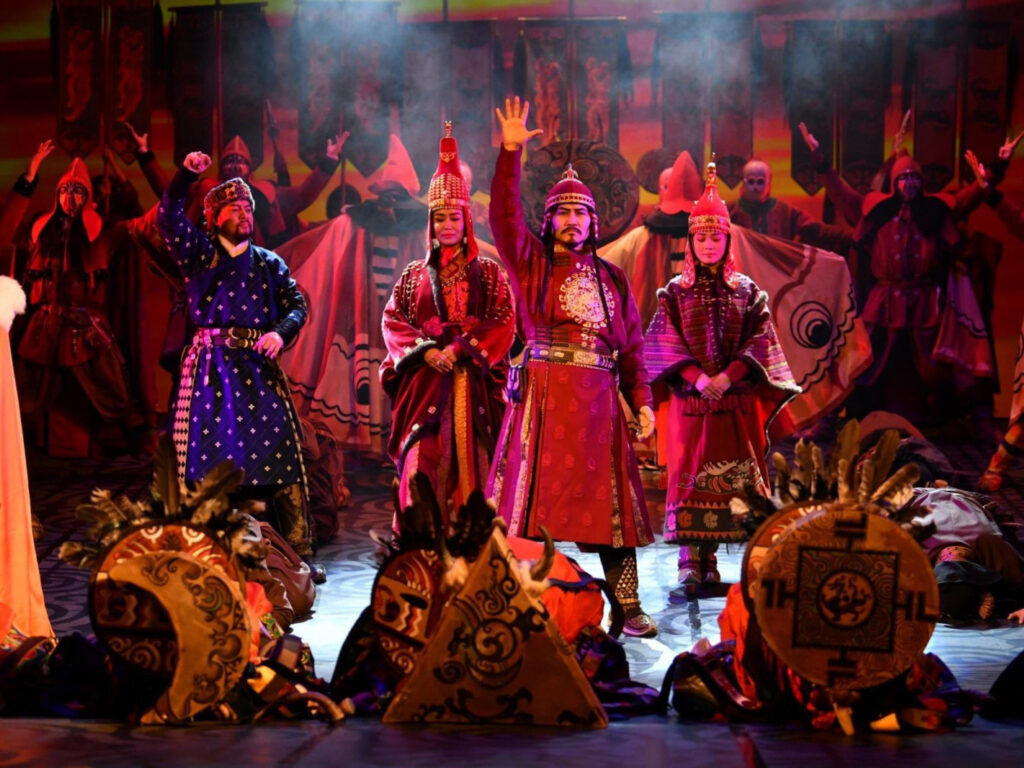
From this revered stage emerged generations of world-class singers, dancers, and musicians who carried Mongolia’s name onto the international stage. Among them are renowned artists such as Ariunbaatar Ganbaatar and Amartuvshin Enkhbat, whose voices have brought Mongolian opera to audiences across the world.
The State Academic Theatre of Opera and Ballet remains a sacred home of Mongolia’s classical arts and a source of national pride.

In recent decades, Mongolia has made notable progress in several areas:
- Economic Growth: Driven by mining, especially copper and gold projects like Oyu Tolgoi
- Democracy: A stable democratic system with regular free elections
- Urban Development: Rapid expansion of Ulaanbaatar and infrastructure improvements
- Education & Technology: Increasing access to education and digital innovation
- Cultural Preservation: Strong continuation of nomadic traditions alongside modernization
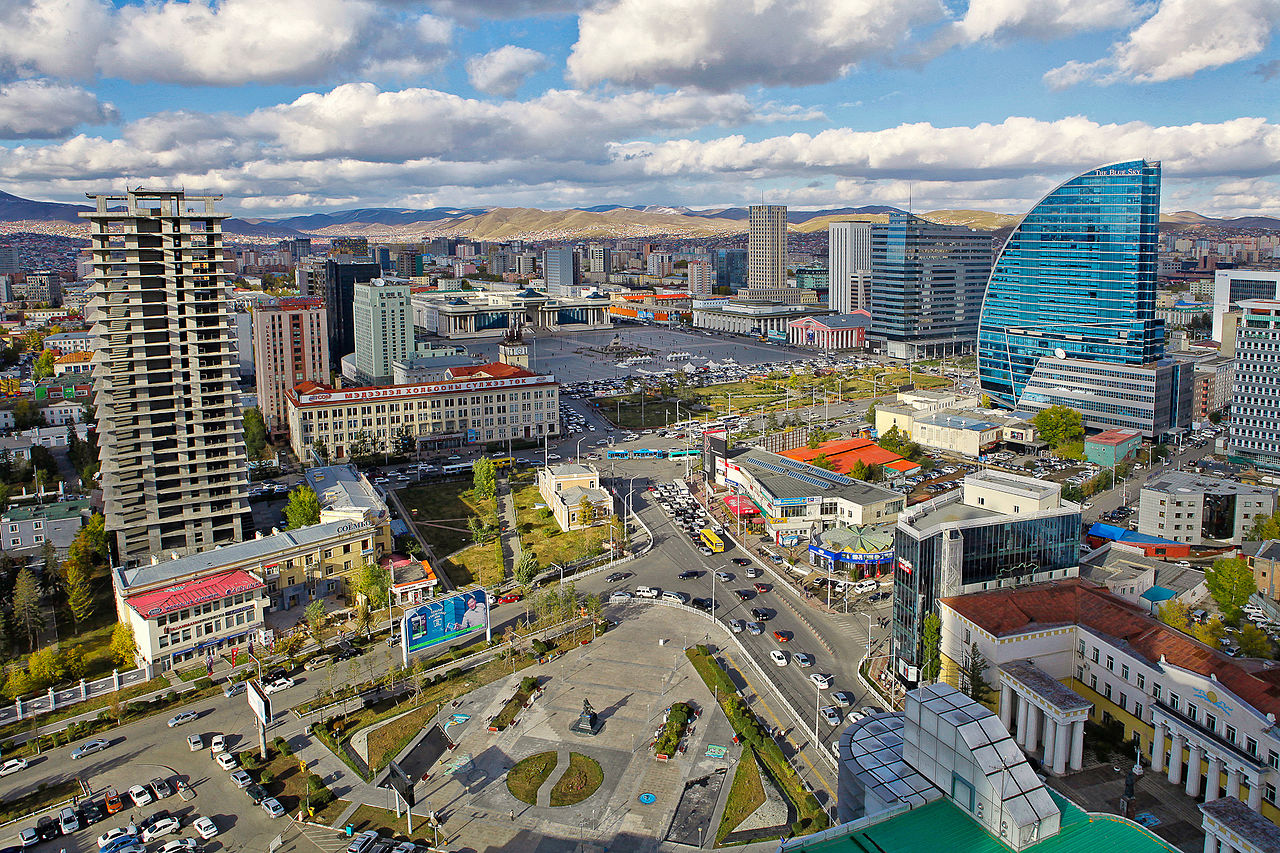
Culture and Identity
Despite modernization, Mongolia remains deeply connected to its heritage. Traditional practices such as herding, throat singing, and the Naadam Festival continue to play a central role in national identity.
The balance between modern progress and ancient tradition defines the spirit of modern Mongolia.
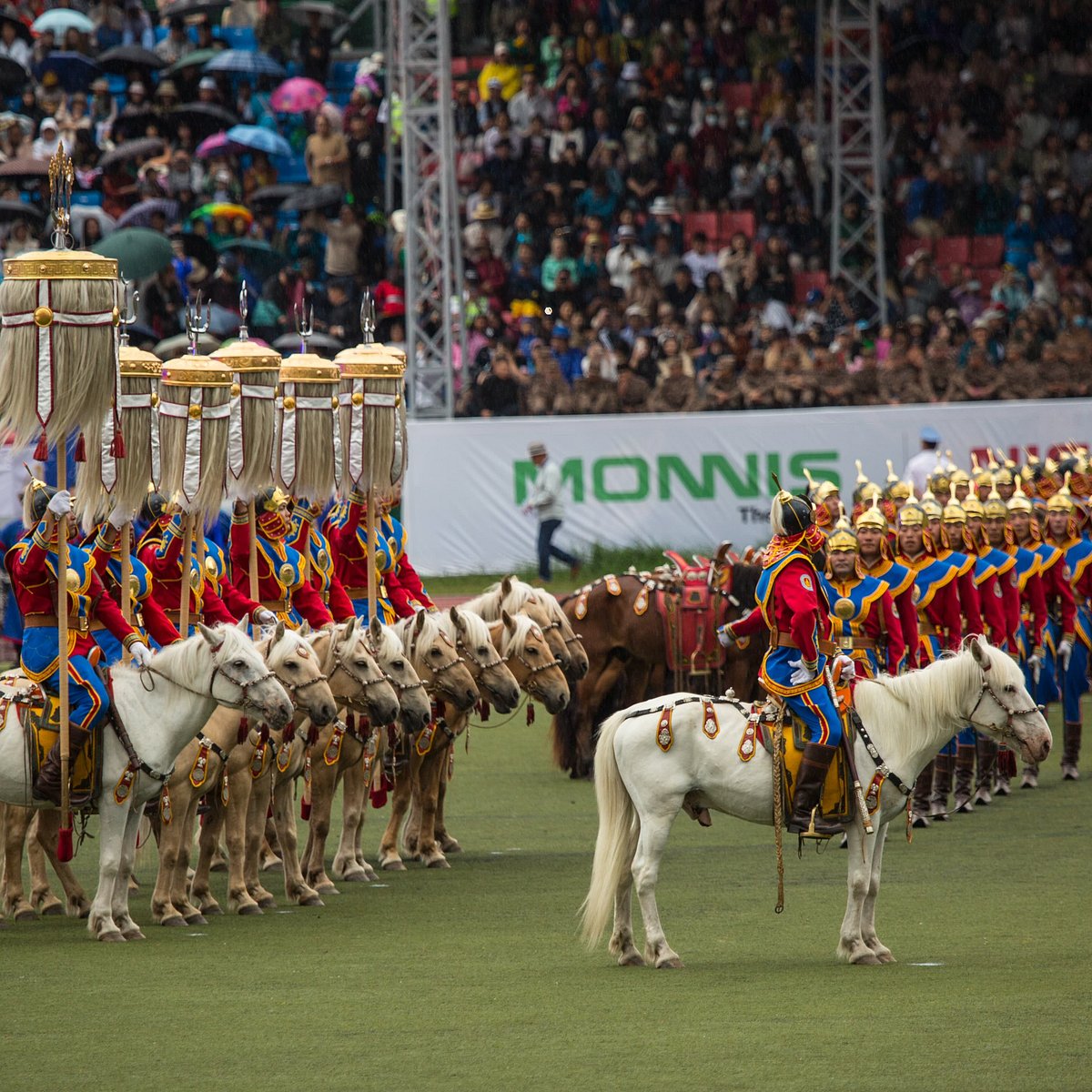
 The Festival of the Three Manly Games, NAADAM The Festival of the Three
Beneath the eternal blue sky, as the wind moves across the vast steppe and the thunder of hooves awakens the land, the Mongolian people celebrate Naadam. It is not merely a festival—it is a living expression of history, identity, and the spirit of the nomadic world.
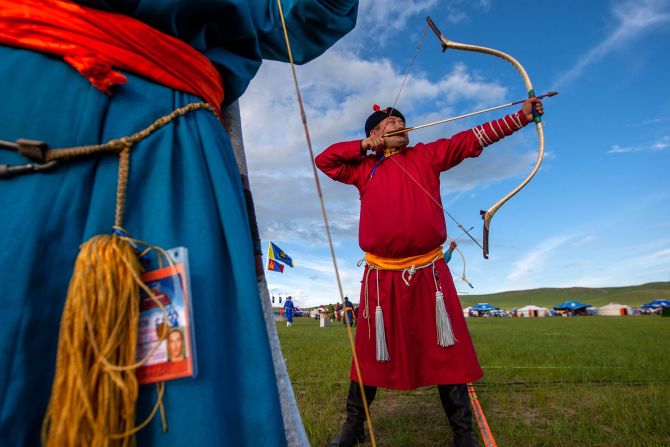
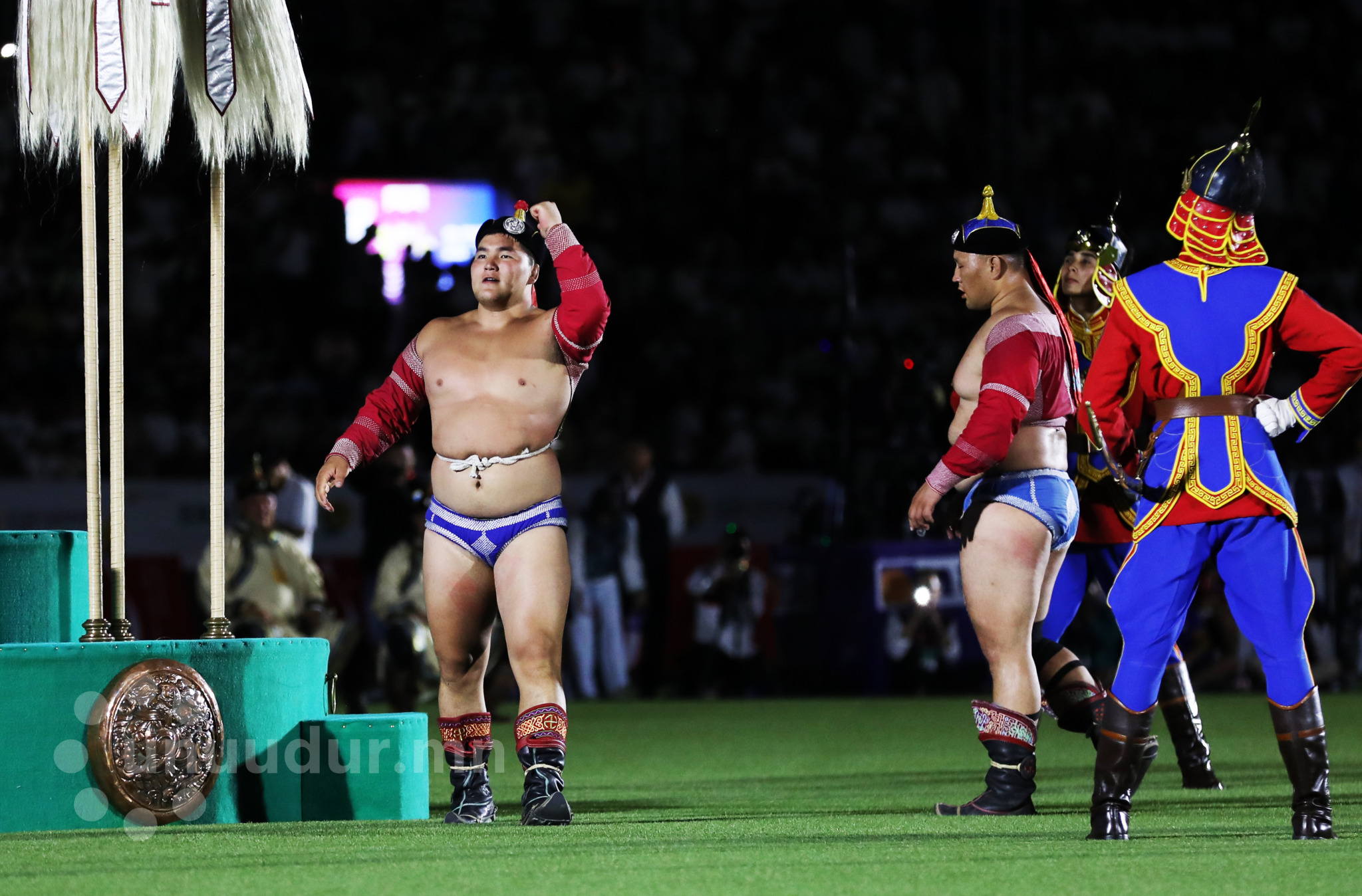
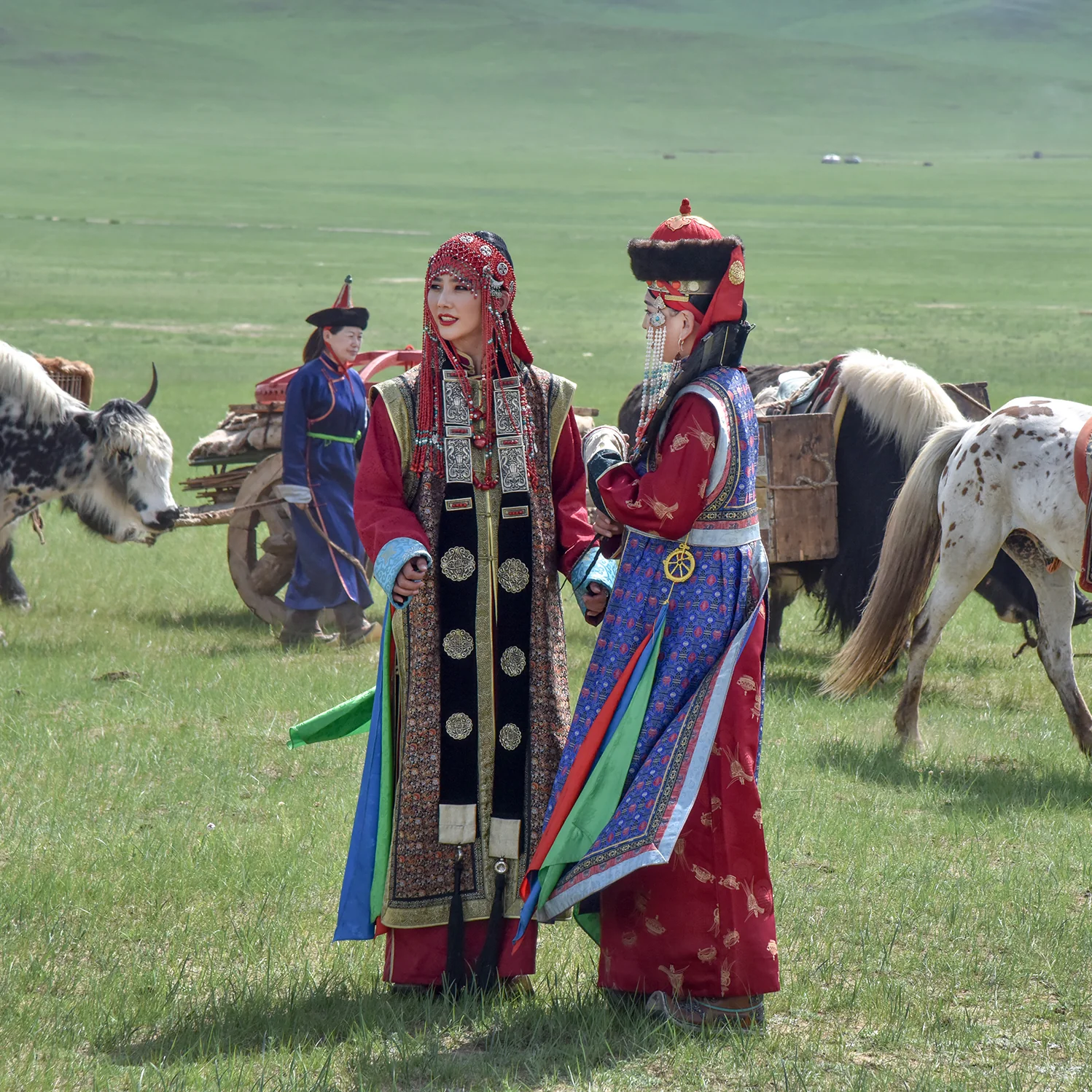
Known as the “Three Manly Games”, Naadam brings together horse racing, wrestling, and archery—three disciplines that embody strength, endurance, skill, and honor. These traditions date back centuries, rooted in the time of the Mongol Empire when they were essential for survival and warfare.
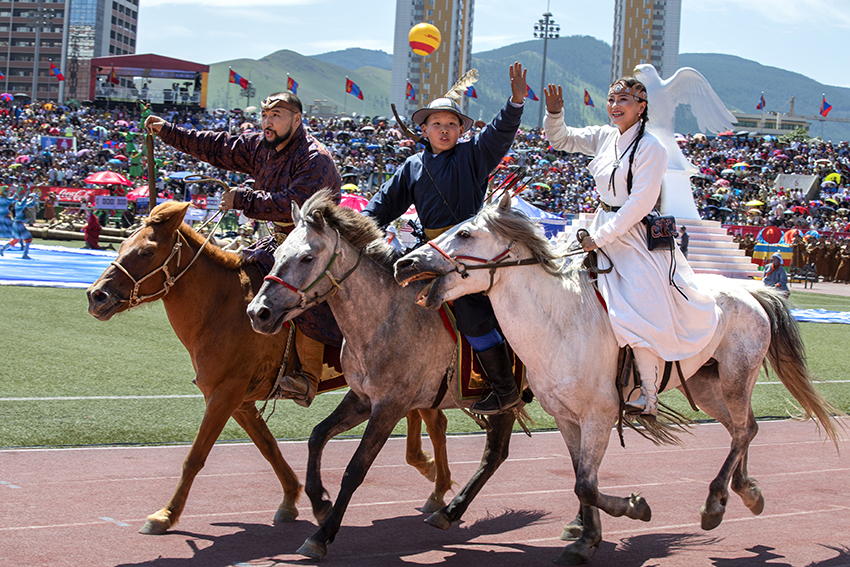
Naadam Opening Ceremony
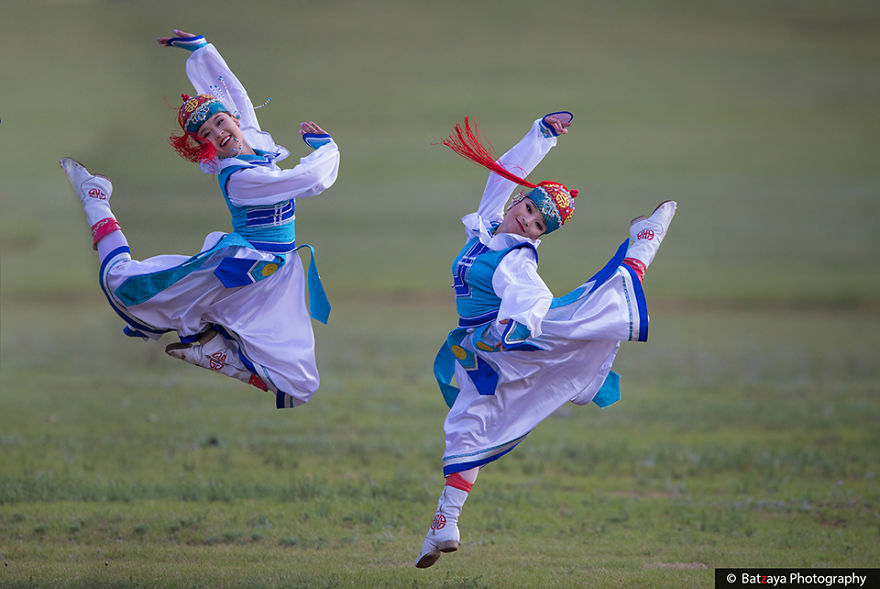
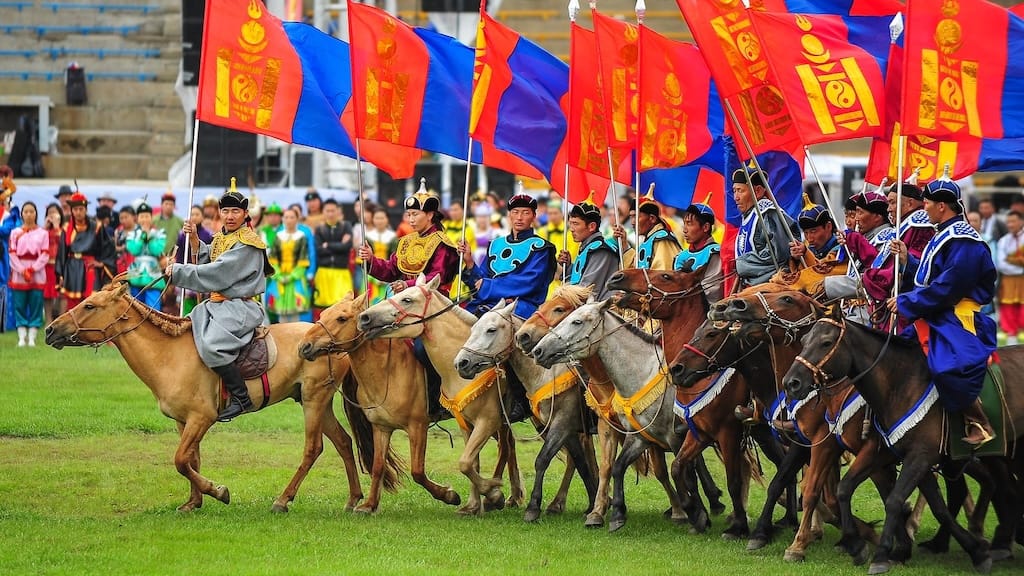
The Naadam opening ceremony is a grand cultural spectacle held at the national stadium in Ulaanbaatar. It brings together music, dance, and historical reenactments that celebrate Mongolia’s heritage, from the age of empires to the modern nation. Performers dressed in traditional costumes create a vivid and powerful display of identity, unity, and pride beneath the Eternal Blue Sky.
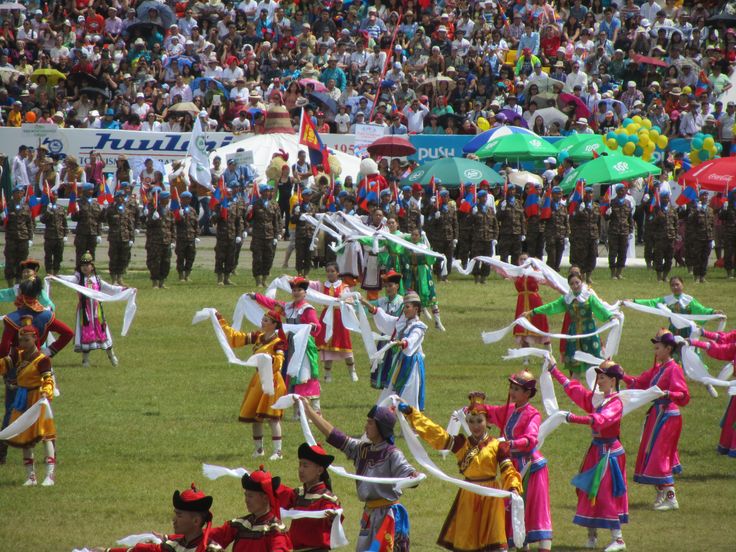
🐎 Horse Racing — The Spirit of the Steppe
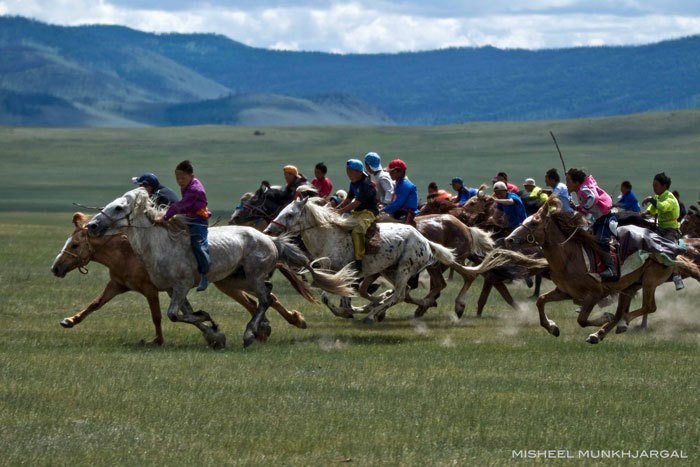
Horse racing in Naadam is unlike any other in the world. It is not confined to short tracks but unfolds across the open steppe, covering long distances that test the endurance and resilience of both horse and rider.
Young riders, often children, guide their horses across vast landscapes, becoming one with the rhythm of the land. The winning horse is honored as a champion, and its victory is celebrated with traditional songs and blessings.
This is not just a race—it is a profound connection between human, horse, and nature.
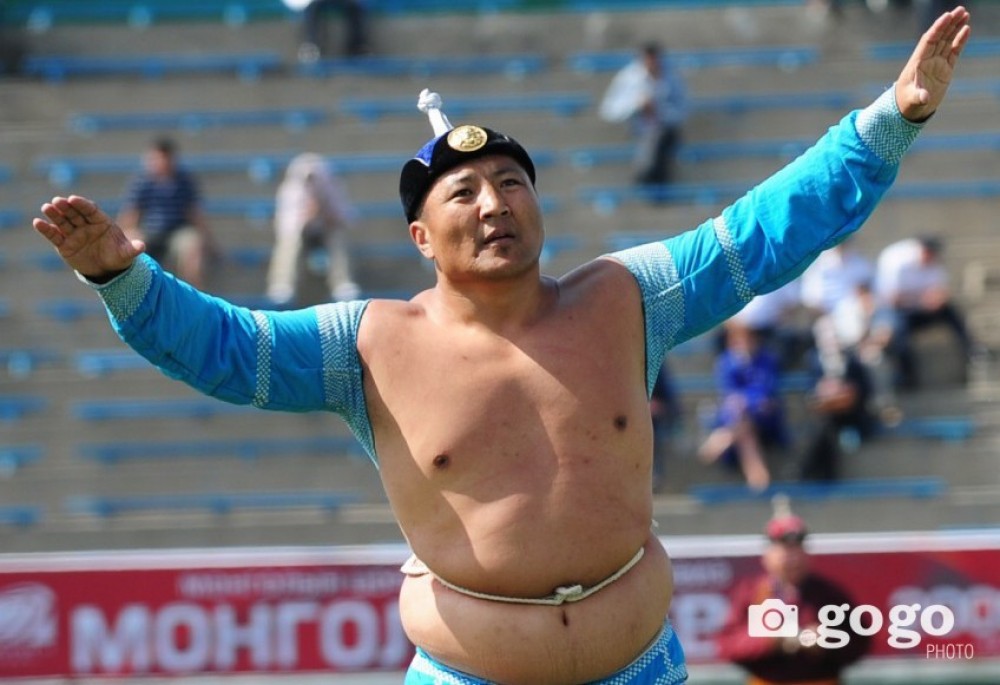
Wrestling — Strength and Honor
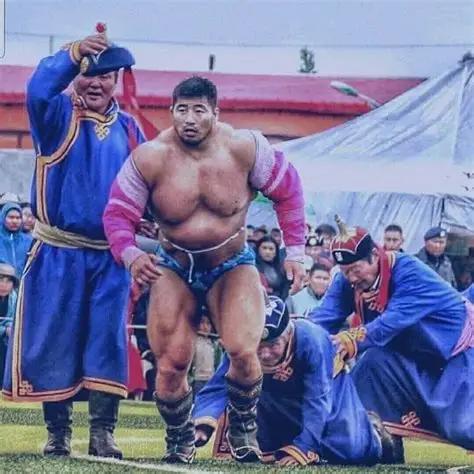
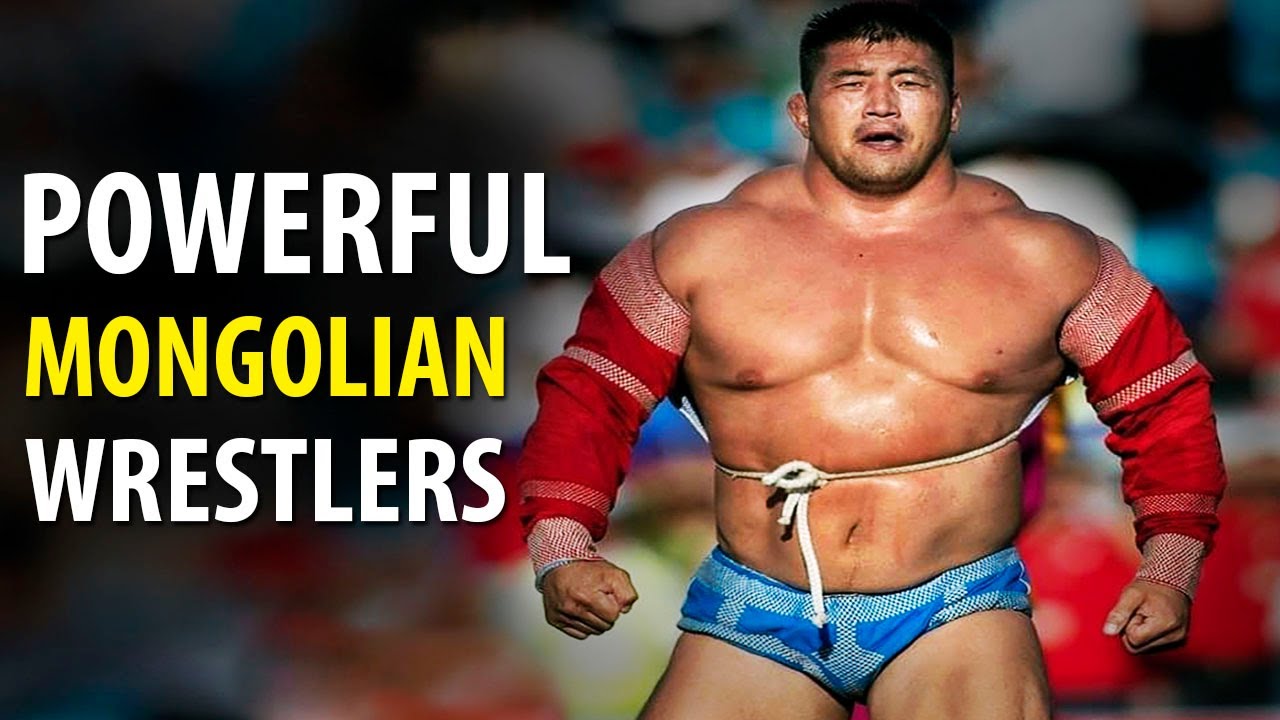
Mongolian wrestling is a symbol of power, dignity, and tradition. Wrestlers enter the arena performing the “eagle dance,” spreading their arms like wings in a ritual that honors strength and freedom.
The contest is not only about physical force but also strategy, balance, and respect. There are no weight classes, and victory comes when one wrestler forces the other to touch the ground with any part of the body except the feet.
Even in defeat, respect remains central—wrestlers uphold a code of honor that reflects the values of Mongolian society.
🏹 Archery — Precision and Inner Focus
Archery represents precision, patience, and inner harmony. Using traditional bows, archers aim at small targets from a distance, guided by calm breathing and intense focus.
As arrows fly, the crowd chants “Uukhai!”, a traditional cheer that celebrates accuracy and encourages the archer. This ritual creates a powerful atmosphere where skill and spirit unite.
✨ The Essence of Naadam
Naadam is more than a celebration—it is a bridge between past and present.
Here:
- Horses run like the wind
- Wrestlers stand like mountains
- Arrows fly as straight as the sky
It is a festival where history lives, culture thrives, and the identity of Mongolia is proudly expressed.
Statesman, Scholar, and Defender of Mongolia's Sovereignty
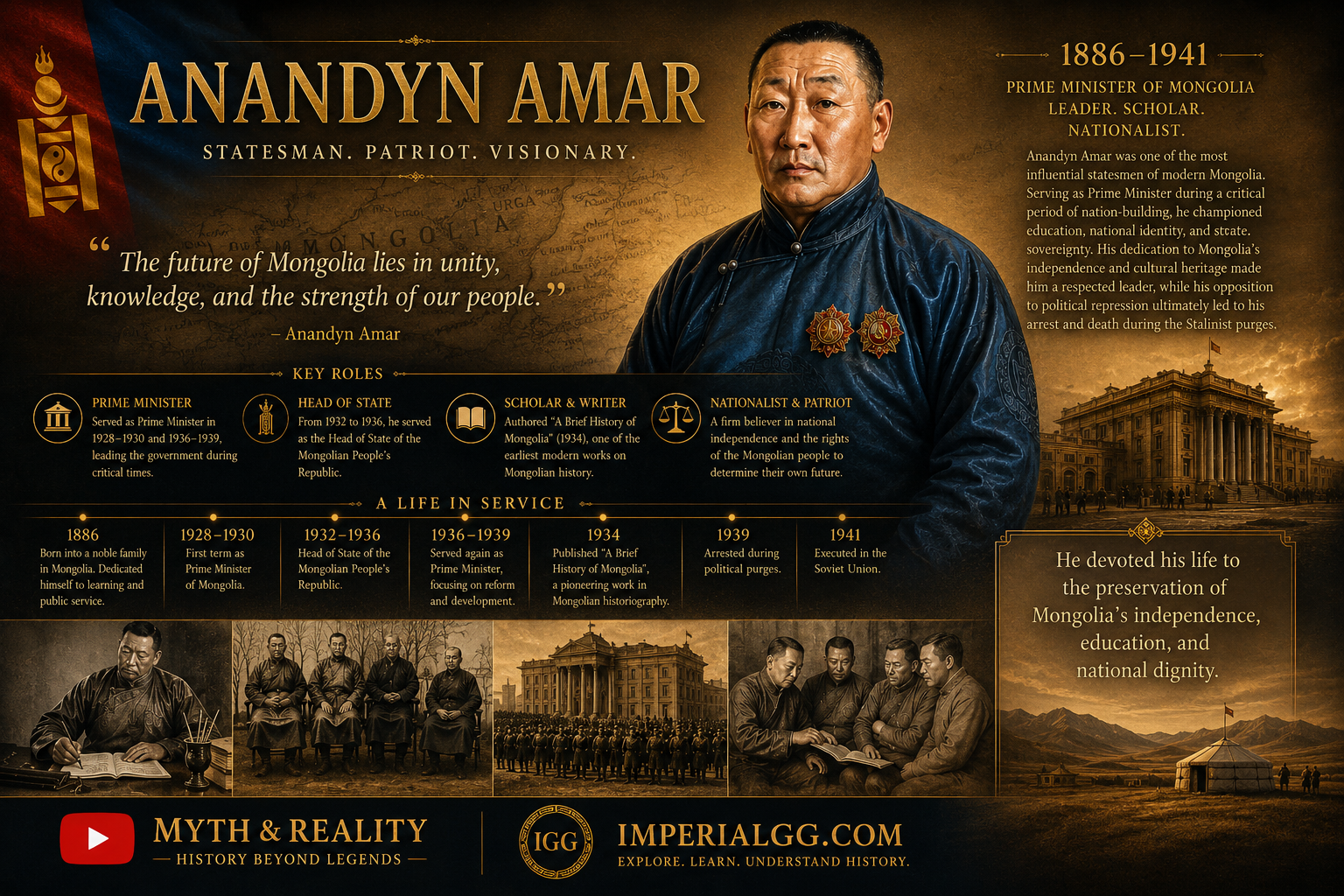
ANANDYN AMAR
Statesman, Scholar, and Defender of Mongolia’s Sovereignty
1886–1941
Anandyn Amar was one of the most influential statesmen of modern Mongolia. Serving as Prime Minister during a critical period of nation-building, he championed education, national identity, and state sovereignty. His dedication to Mongolia’s independence and cultural heritage made him a respected leader, while his opposition to political repression ultimately led to his arrest and death during the Stalinist purges.
1886
Born in present-day Mongolia.
1928–1930
Served as Prime Minister of Mongolia.
1932–1936
Head of State of the Mongolian People’s Republic.
1936–1939
Served a second term as Prime Minister.
1934
Published A Brief History of Mongolia, one of the earliest modern historical works written by a Mongolian statesman.
1939
Arrested during the political purges.
1941
Executed in the Soviet Union.
“He devoted his life to the preservation of Mongolia’s independence, education, and national dignity.”
“For Amar, the future of Mongolia rested upon knowledge, national consciousness, and sovereign statehood.”
▶ Myth & Reality
History Beyond Legends
◎ ImperialGG.com
Explore • Learn • Understand History