Nomadic peoples of the EuroAsain Steppe. Scythians — Riders of the Eurasian Steppe
Nomadic horse-warriors who shaped the history of the Eurasian steppe with speed, archery, and a striking animal-style art.
Introduction
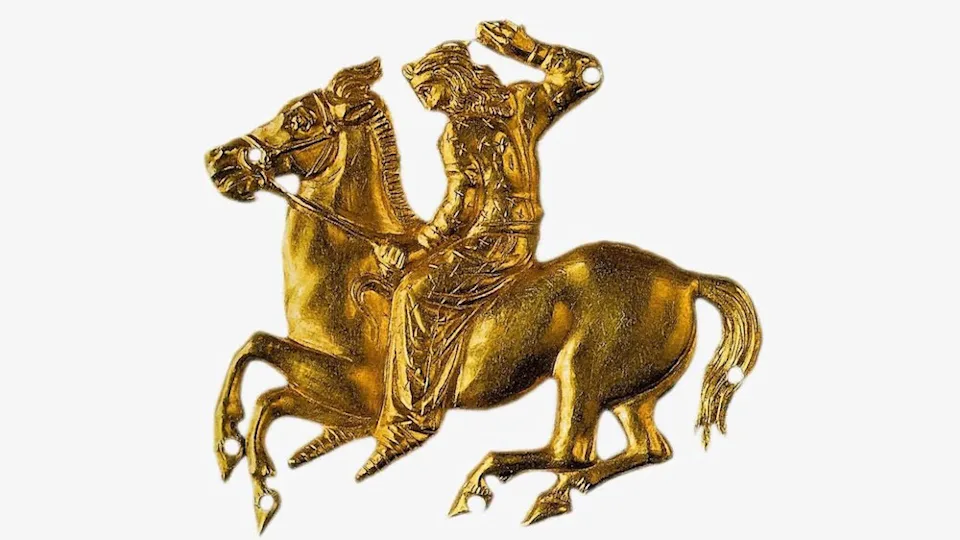
The Scythians were a powerful group of nomadic peoples who dominated large parts of the Eurasian steppe between the 8th and 3rd centuries BCE. Their territories stretched from Central Asia to the northern shores of the Black Sea. Famous for their exceptional horsemanship, mobile warfare, and distinctive gold craftsmanship, the Scythians became one of the most influential steppe cultures of the ancient world.
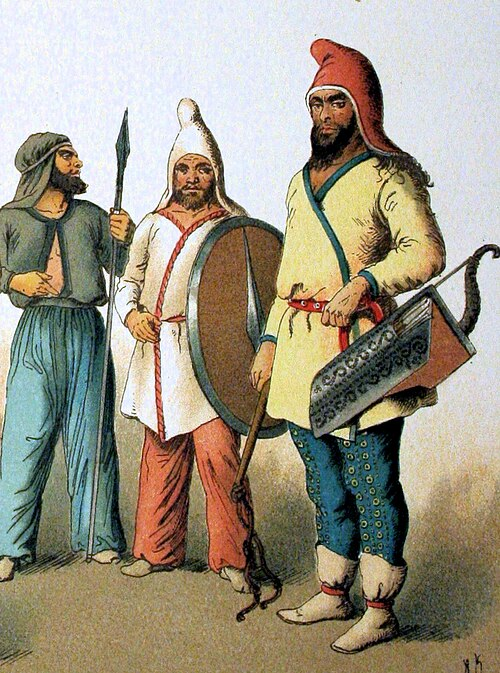
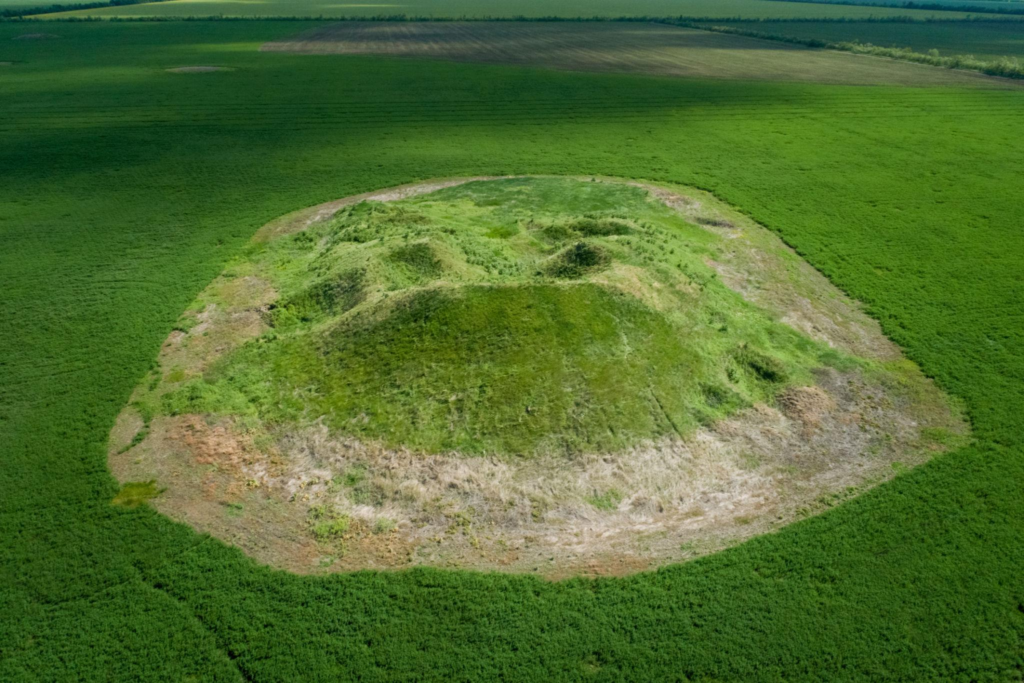
Ancient Greek historians such as Herodotus described them as formidable mounted warriors who relied on speed and precision rather than fortified cities. Archaeological discoveries from burial mounds known as kurgans have revealed elaborate weapons, clothing, and golden ornaments that highlight the sophistication of Scythian culture.
Section: Who Were the Scythians?
The Scythians were not a single centralized empire but a network of nomadic tribes connected through shared traditions, language groups, and alliances. Their society was built around pastoral nomadism, seasonal migration, and mastery of the horse.
Mobility allowed them to control vast territories across the Eurasian steppe. Their warriors could travel great distances quickly, making them highly effective in both warfare and trade across ancient steppe routes.
Key Features
Horse Archers
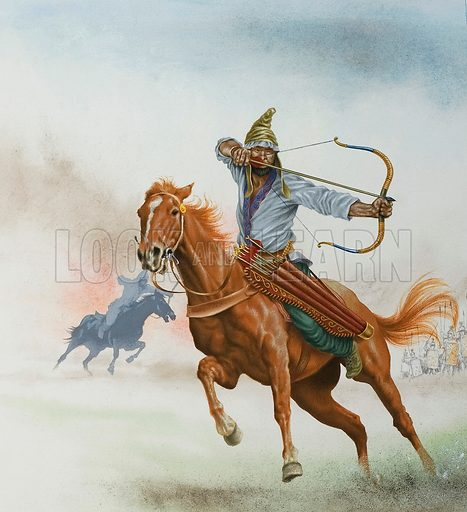
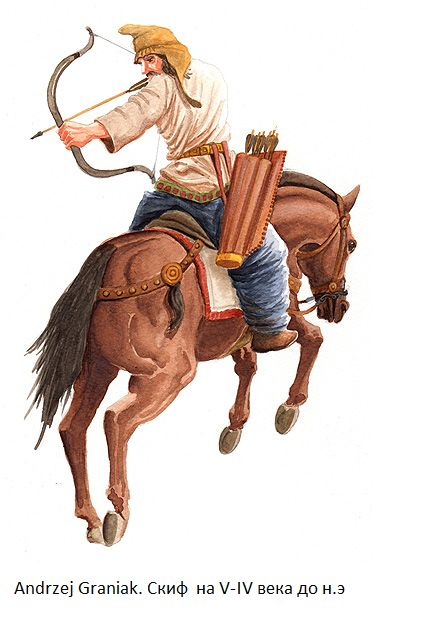
The backbone of Scythian military power was the mounted archer. Warriors rode swift horses and used powerful composite bows, allowing them to attack quickly and retreat before enemy forces could respond.
Animal-Style Art
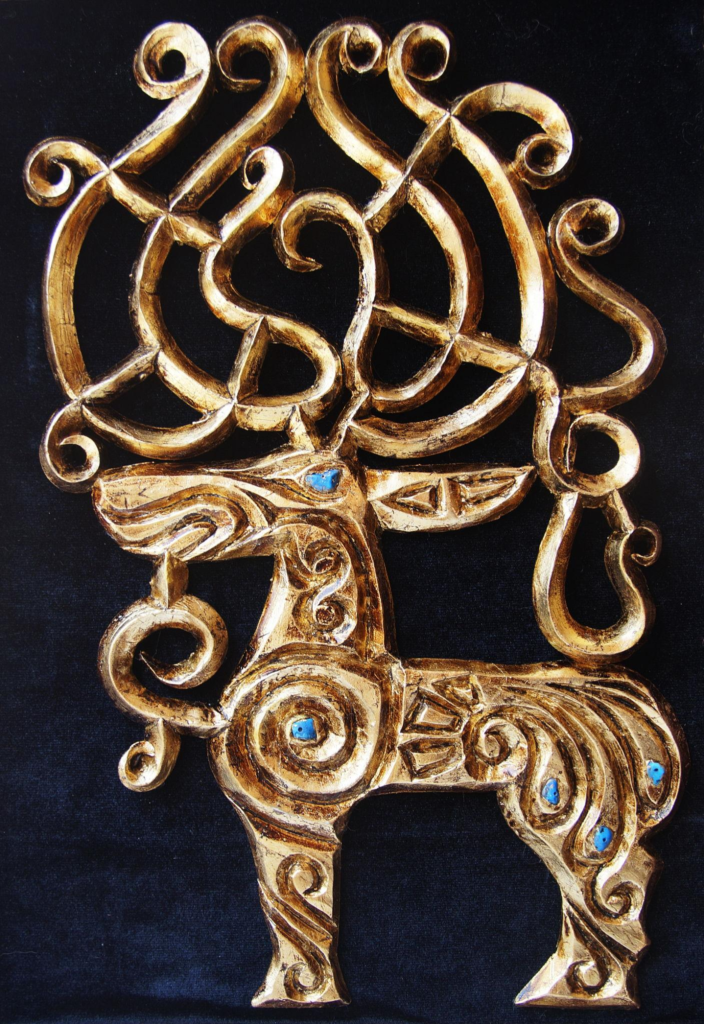
Scythian art is famous for its dynamic depictions of animals such as deer, panthers, horses, and birds of prey. These designs were often crafted in gold and decorated weapons, armor, and horse equipment.
Masters of the Steppe
At their height, Scythian influence extended across a vast region from the Danube River to the Altai Mountains, connecting cultures across Europe and Central Asia.
Timeline
9th–8th Century BCE
Early Scythian groups emerge in the Eurasian steppe and begin migrating westward.
7th–4th Century BCE
The Scythians reach the height of their power, dominating the Pontic steppe north of the Black Sea.
4th–3rd Century BCE
Scythian dominance gradually declines as new nomadic groups rise in the region.
Culture and Legacy
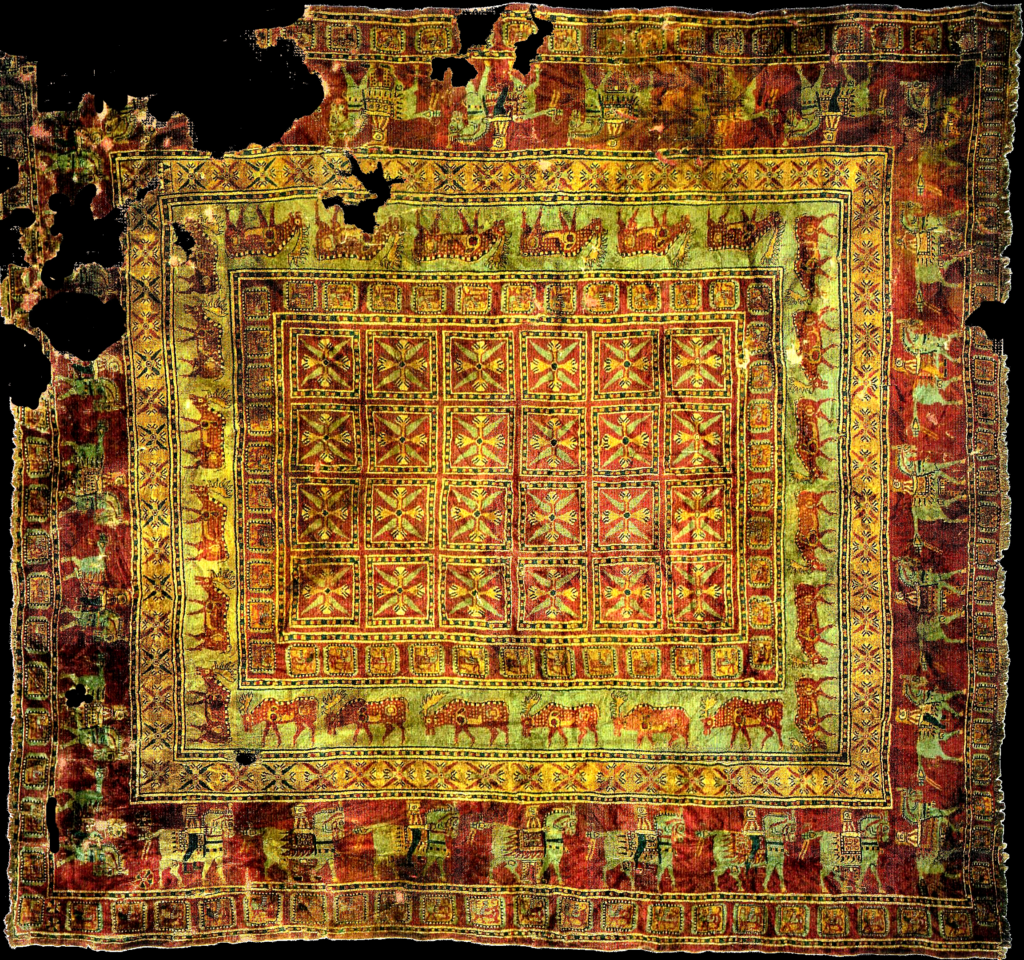
Scythian burial sites, particularly the Pazyryk kurgans in the Altai Mountains, have preserved remarkable artifacts including textiles, saddles, weapons, and intricate gold ornaments.
These discoveries reveal a culture deeply connected to nature, mobility, and warrior traditions. Their influence helped shape the long tradition of nomadic civilizations that defined the Eurasian steppe for centuries.
Quote
“A people who drew their strength not from walls, but from the endless steppe.”
Call to Action
Discover the Steppe Legacy
Explore the world of the Scythians — their warriors, art, and the vast landscapes that shaped their civilization.
Button: Explore More
Meta Description
Explore the history of the Scythians, the legendary horse-warriors of the Eurasian steppe known for their archery, gold craftsmanship, and nomadic culture.
Keywords
Scythians, Eurasian steppe, ancient nomads, horse archers, Scythian art, steppe warriors, nomadic civilizations
Scythian warriors