The Eurasian steppe has been home to a succession of powerful nomadic confederations and empires for more than three millennia. limitation of textual sources.
From the early steppes of the Xiongnu and Xianbei to the vast Mongol Empire and its successors, these polities shaped the political, military, and cultural history of Inner Asia. Their influence extended across Eurasia.
4800-Year Timeline of the Steppe: From Early Nomadic Cultures to Modern Mongolia
Chronological List
1. Jiuli (Confederation of Nine Tribes)
2600 BCE – 2300 BCE
According to Chinese legends, they were described as nomadic hostile enemies.
2. 2300 BCE – 1300 BCE (Dark Age)
This period is historically unclear. Some historians mention a people called “Melkhi,” but this remains insufficiently studied.
3. Guifang State
1300 BCE – 900 BCE
A nomadic confederation. After their decline, groups such as the Scythians, Massagetae, and the one-eyed Arimaspi migrated westward toward Europe.
4. Xianyun
1000 BCE – 700 BCE
A state that united remnants of the Guifang along with the Run and Di tribes.
5. Di
900 BCE – 800 BCE
A confederation consisting of Northern Di, Red Di, White Di, and Long Di tribes.
6. Jung Run (Zhongrong)
800 BCE – 700 BCE
A confederation including Lu Zhong, Mountain Rong, Dog Rong, and Western Rong tribes.
7. Beidi (Northern Di)
700 BCE – 300 BCE
A union of seven tribes, including the Mon and Di.
8. Northern Xiongnu
340 BCE – 209 BCE
A confederation of 24 tribes that united parts of the Beidi and most of the Jung Run.
9. Xiongnu Empire
209 BCE – 93 CE
A great empire that unified 36 states, including the powerful Donghu (Eastern Hu) and the western Yuezhi.
c. 1000–300 BCE
Early Steppe Nomadic Cultures
Ancient nomadic societies developed across the Eurasian steppe, forming early pastoral traditions, mounted warfare, and mobile political structures.
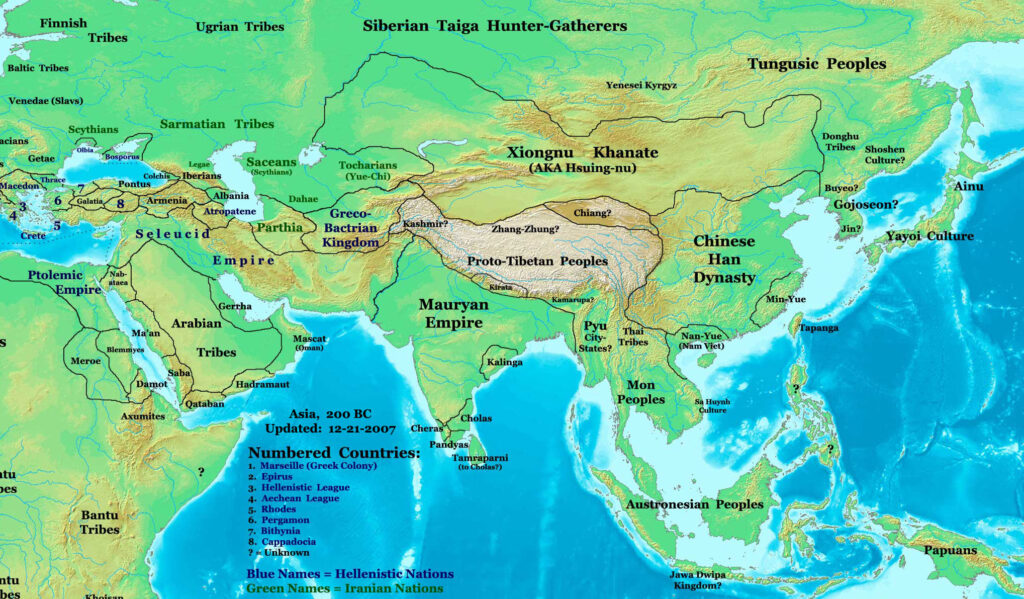
209 BCE
Xiongnu Empire Founded
Modu Chanyu united the nomadic tribes of the Mongolian steppe and established the Xiongnu Empire, the first major steppe empire in Inner Asia.
1st–2nd Century CE
Decline of the Xiongnu Confederation
Internal conflicts and pressure from the Han dynasty weakened the Xiongnu political system.
2nd–4th Century
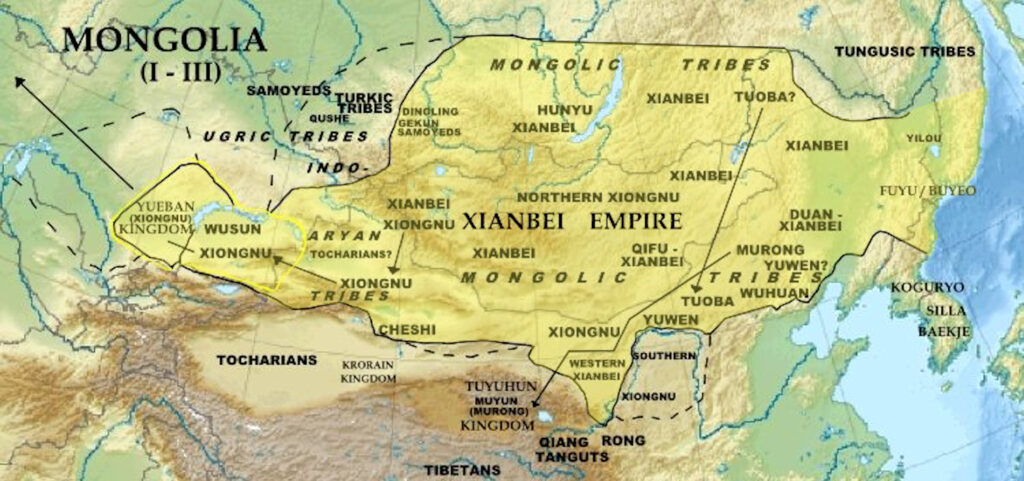
Xianbei Confederation
After the fall of the Xiongnu, the Xianbei tribes became dominant across the Mongolian steppe and northern China.
4th–6th Century
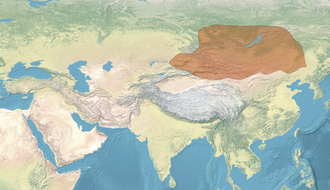
Rouran Khaganate
A powerful nomadic empire that ruled Mongolia and introduced the imperial title “Khagan.”
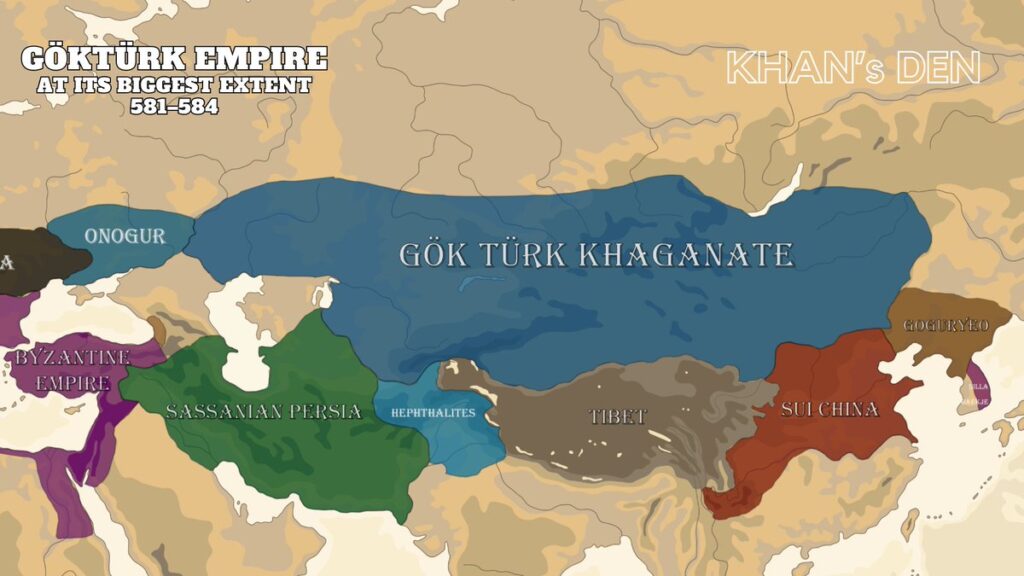
552–744
Turkic Khaganate (Göktürk Empire)
The first Turkic empire dominated Central Asia and controlled major Silk Road routes.
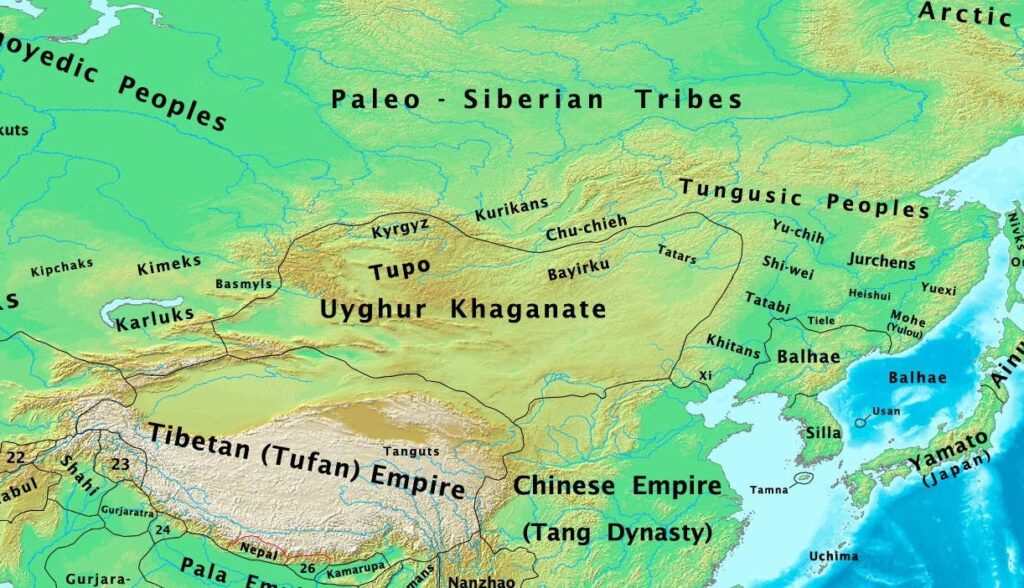
744–840
Uyghur Khaganate
The Uyghurs ruled the Mongolian plateau and fostered trade, religion, and written culture.
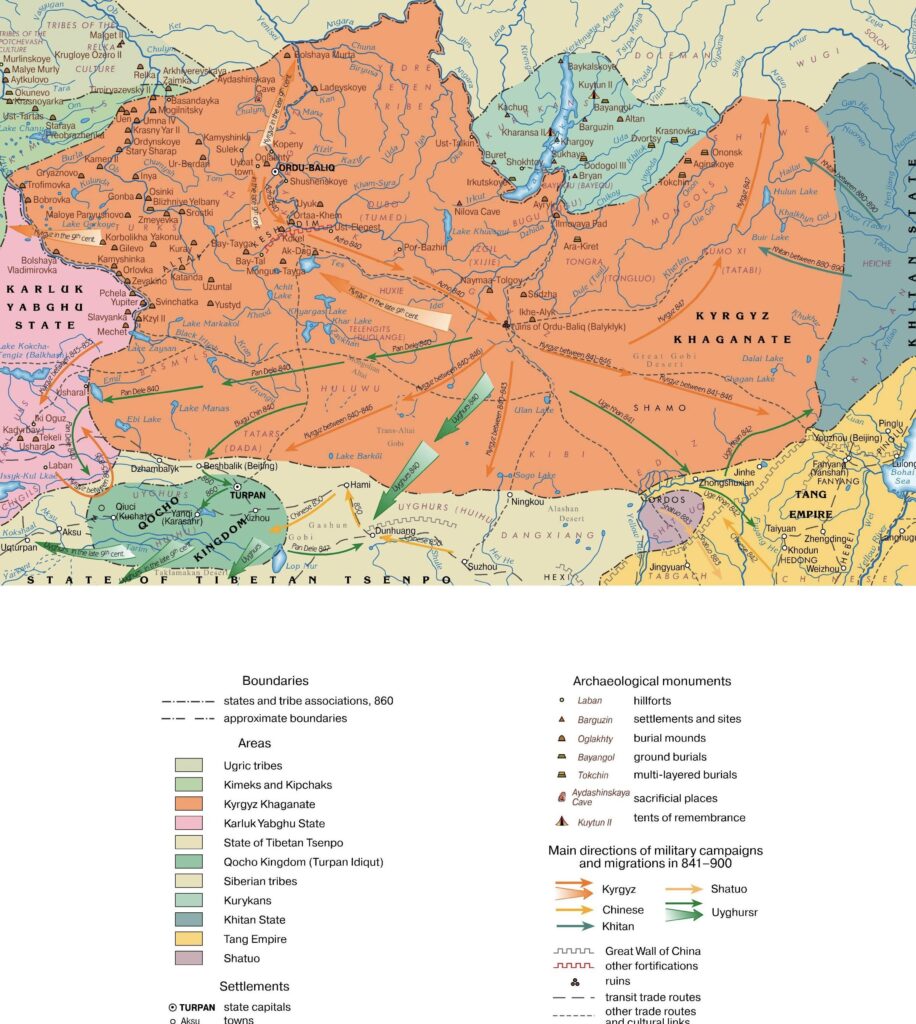
840–10th Century
Kirghiz Domination of the Steppe
The Yenisei Kirghiz defeated the Uyghur Khaganate and temporarily controlled the Mongolian steppe.
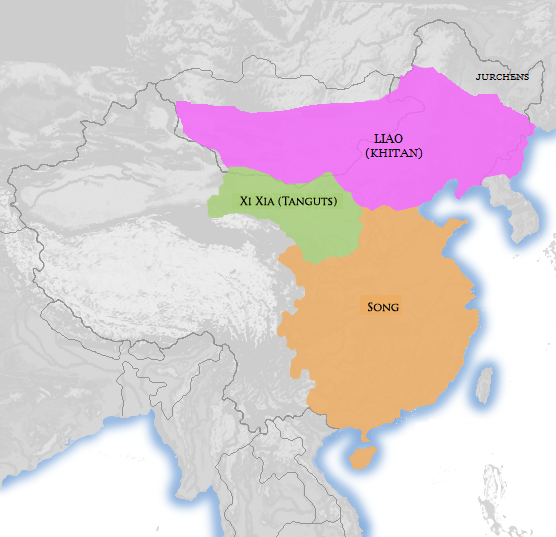
907–1125
Khitan (Liao) Empire
The Khitan people founded the Liao Empire and ruled large territories across Mongolia, Manchuria, and northern China.
1124–1218
Kara Khitan (Western Liao Empire)
Khitan rulers established a powerful Central Asian empire after the fall of the Liao dynasty.
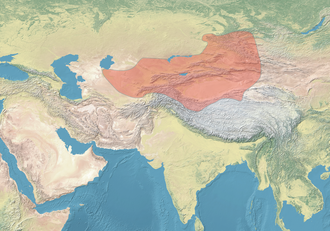
10th–12th Century
Khamag Mongol Confederation
Early Mongol tribes formed a confederation that later produced the leaders who united the Mongols.
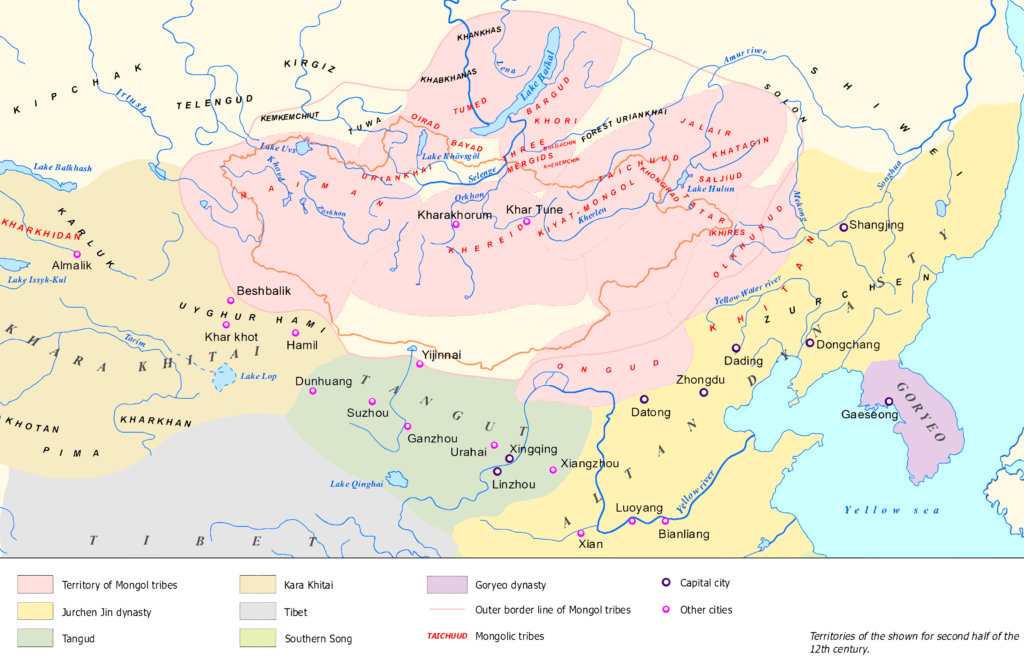
1206
Foundation of the Mongol Empire
Genghis Khan united the Mongol tribes and established the Mongol Empire.
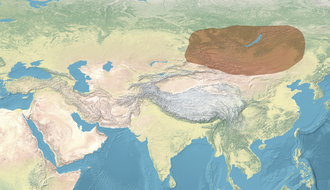
13th Century
Expansion Across Eurasia
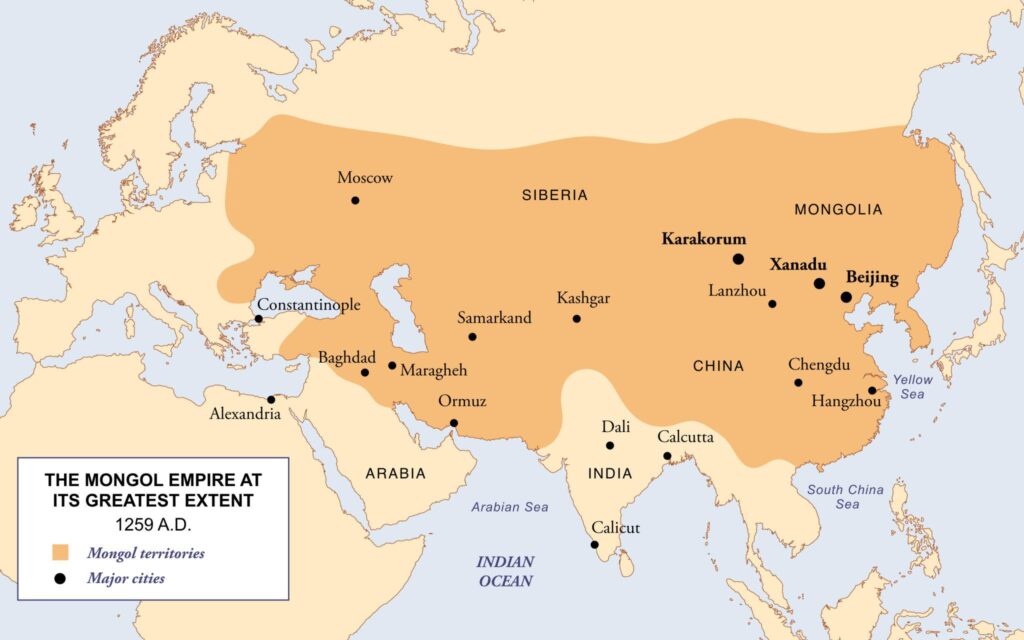
The Mongol Empire expanded from East Asia to Eastern Europe, transforming trade, warfare, and diplomacy.
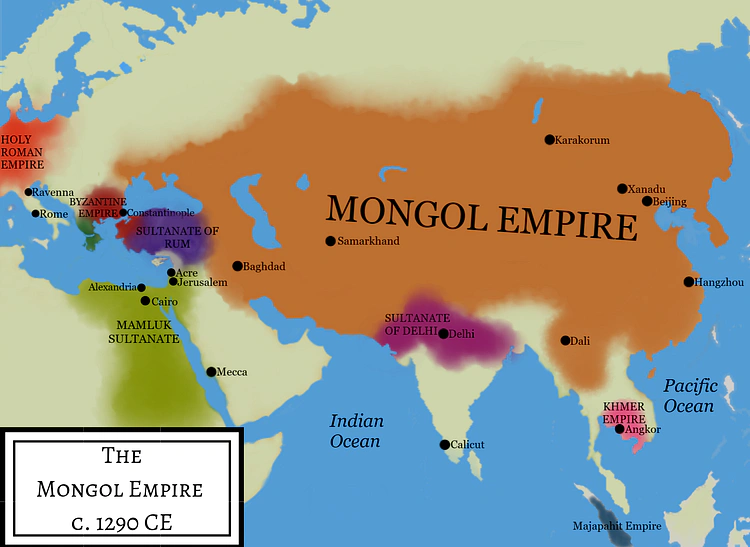
1260–1368
Mongol Yuan Empire
Kublai Khan established the Mongol Yuan Empire and ruled China while maintaining Mongol imperial traditions.
1368–1635
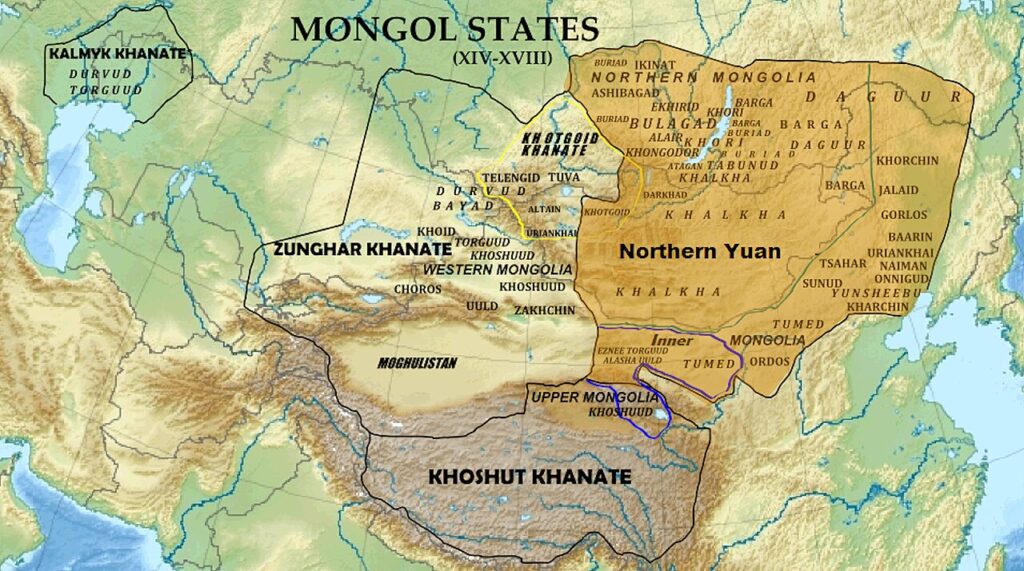
Northern Yuan Dynasty
Mongol rulers continued to dominate the steppe after the fall of the Yuan Empire.
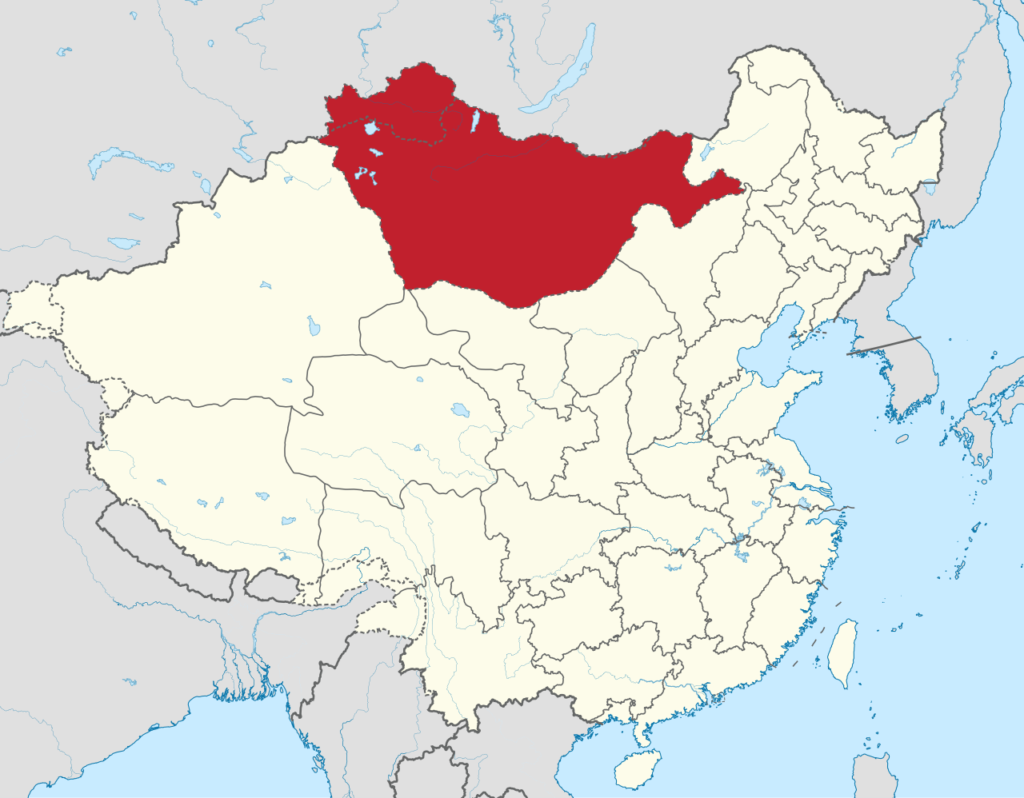
1636–1911
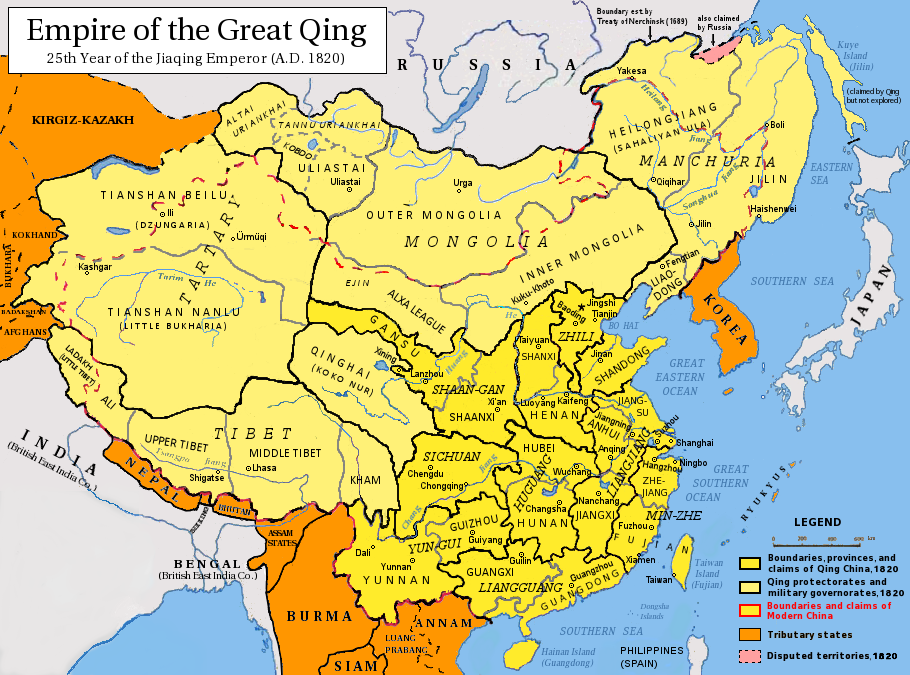
Qing Imperial Period in Mongolia
Mongolia became incorporated into the Qing imperial system.
1911
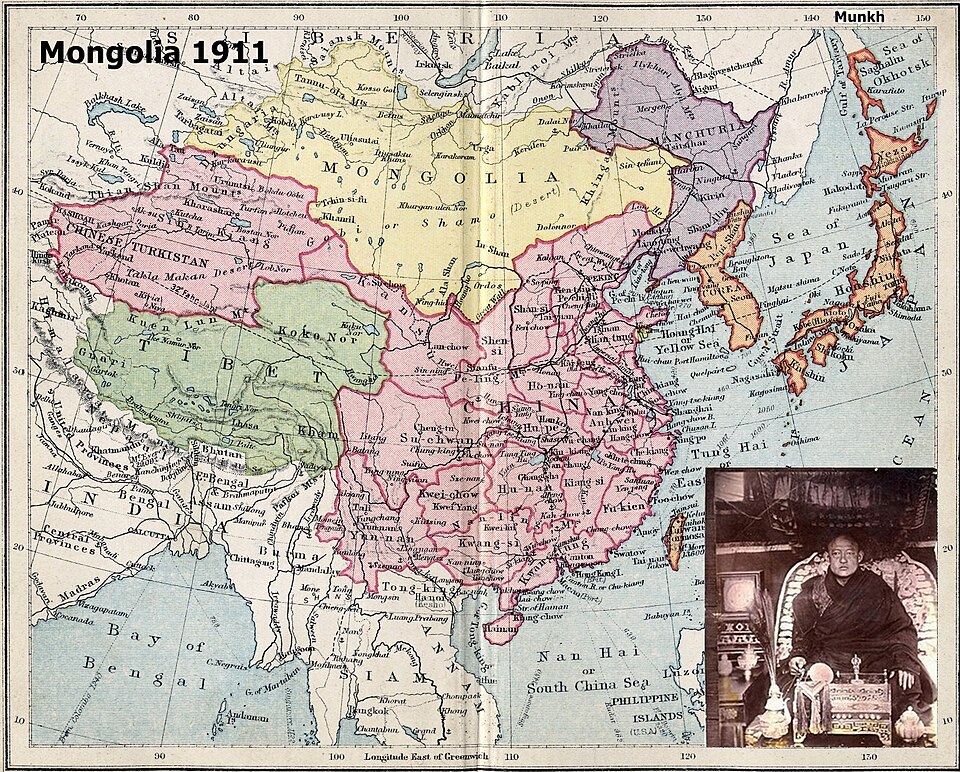
Independence of Mongolia
1921
Mongolian Revolution
1924–1990
Mongolian People’s Republic
1990
Democratic Revolution
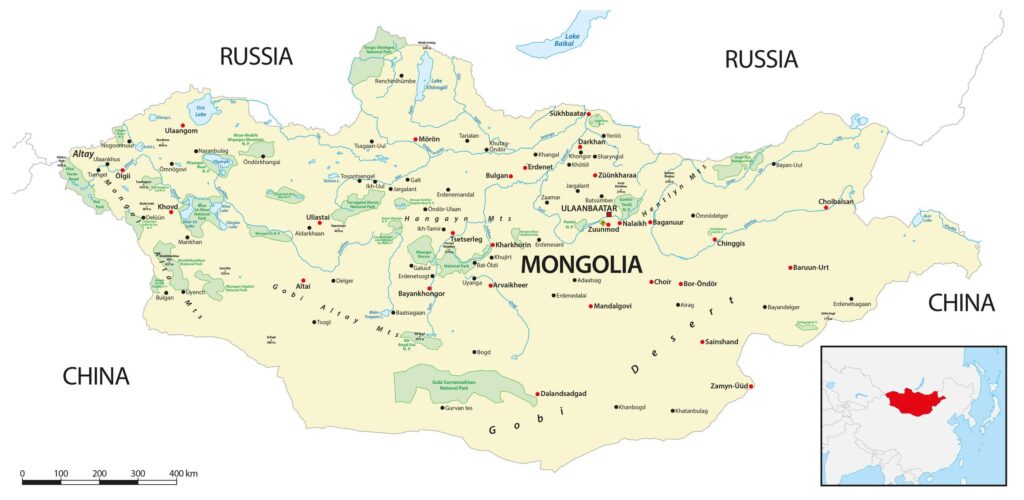
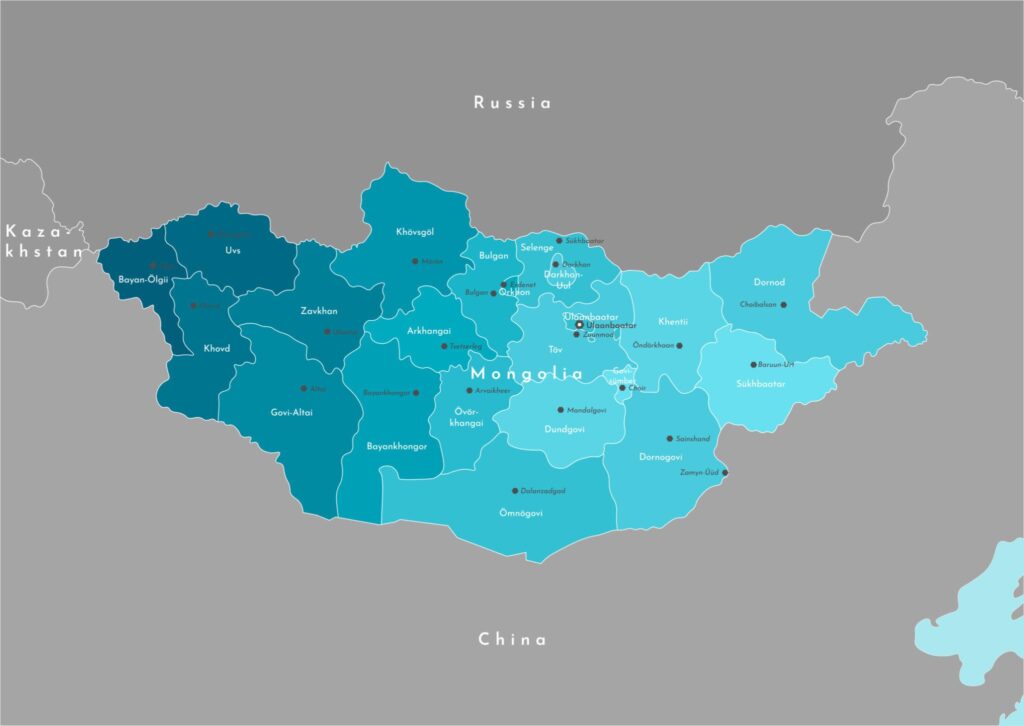
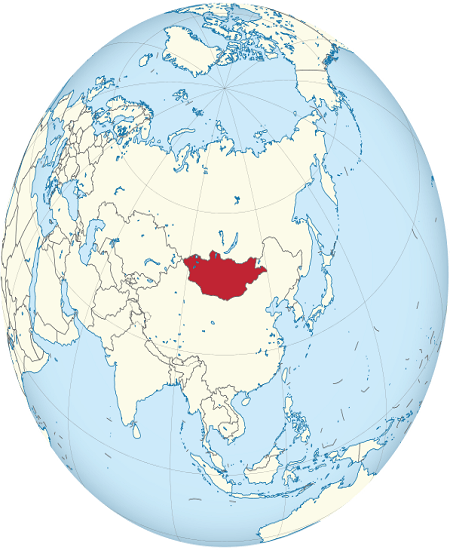
1992–Present
Modern Democratic Mongolia
Early Nomadic Empire
-
- Xiongnu (3rd c.-BCE-1st.c)
-
- Xianbei (1sr-3rd c)
-
- Touba /Northern Wei (386-534)
-
- Rouran (330-555)
Turkic Khaganates
-
- (552-744)
-
- Uyghur Khaganate (744-840)
-
- Yenisei Kyrgyz (840-924)
Mongol age
-
- Khitan/Liao Empire (907-1125)
-
- Kara-Khitan Khanate /Western Liao(1124-1218)
-
- Khamag Mongol Confederation (c.1100-1206)
-
- Great Mongol Empire (1206-1368)
Post-Mongol Steppe Empires
Mongol Successor States
-
- Golden Horde (1242-1502)
-
- Ilkhanate (1256-1335)
-
- Chagatai Khanate (1227-1687)
-
- Northern Yuan (1368-1635)
-
- Timurid Empire (1370-1507)
-
- Oirat Confederation
Mongol World Legacy
-
- Mughal Empire
Steppe and Inner Asian Khaganates
-
- Oirat Confederation
-
- Dzungar Khanate (1634-1758)
-
- Kazakh Khanate (1465-1847)
-
- Kyrgyz Tribal Confederations
Mongolia in the Modern Era
-
- Qing Rule In Mongolia (1691-1911)
-
- Bogd Khanate of Mongolia (1911-1924)
-
- Mongolian People’s Republic (1924-1992)
-
- Modern Mongolia 1992-present-
Mongol Peoples Across Eurasia
Oirat and Kalmyk Mongols
-
- Kalmyks
-
- Torguud
-
- Durvud
-
- Khoshuud
Buryat Mongols
-
- Buryats
Tuvan Mongols
-
- Tuvans
South Mongols
-
- Inner Mongols
Upper Mongols
-
- Upper Mongols
Qinghai Mongols
-
- Khoshut Mongols
-
- Khukh Nuuriin Mongols
Yunnan Mongols
-
- Yuan Frontier
-
- Tuntian settlements
-
- Mongol garrisons
-
- Guijou
-
- Ciujoan
Monguor/ Tu People
-
- Qinghai
-
- Bonan
Hazara Mongols
-
- Hazaras