Arkhangai Province
Overview
Arkhangai Province, located in central Mongolia, is one of the country’s most historically rich and geographically diverse regions. Known for its forested mountains, river valleys, and steppe landscapes, Arkhangai has long been a cultural and economic heartland of Mongolia.
Historical and Cultural Heritage
Arkhangai is home to some of Mongolia’s most important historical and cultural landmarks.
Karakorum and the Mongol Empire
Near the borders of Arkhangai lies Karakorum, the former capital of the Mongol Empire established in the 13th century. This region played a crucial role in the political and cultural development of the Mongol world.
Erdene Zuu Monastery
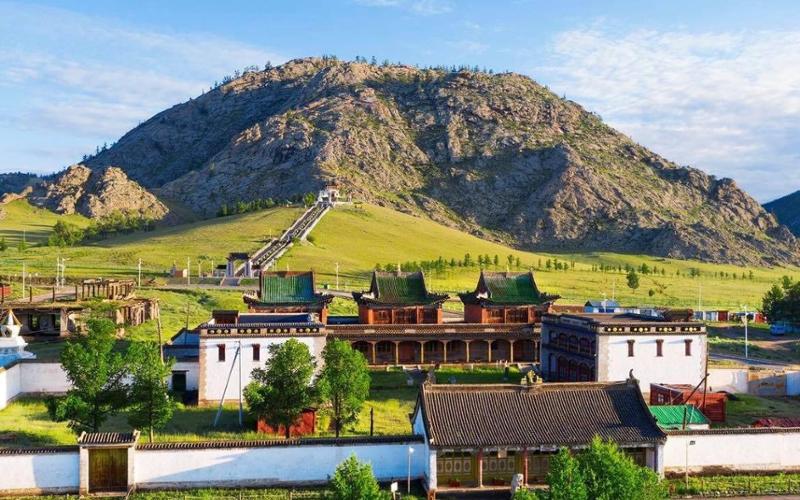
Erdene Zuu Monastery is one of the oldest surviving Buddhist monasteries in Mongolia, built in 1586. It stands as a symbol of Mongolia’s spiritual revival after the Mongol Empire and remains an active religious site.
Tsenkher Hot Springs
Tsenkher Hot Springs have been used for centuries for their healing properties. They are also a popular destination for both domestic and international tourists.
Nomadic Culture
Arkhangai preserves a strong nomadic heritage. Traditional herding lifestyles, seasonal migration, and deep connections to nature remain central to local identity.
Natural Beauty and Landmarks
Arkhangai is often considered one of the most scenic provinces in Mongolia.
Khorgo–Terkhiin Tsagaan Lake National Park
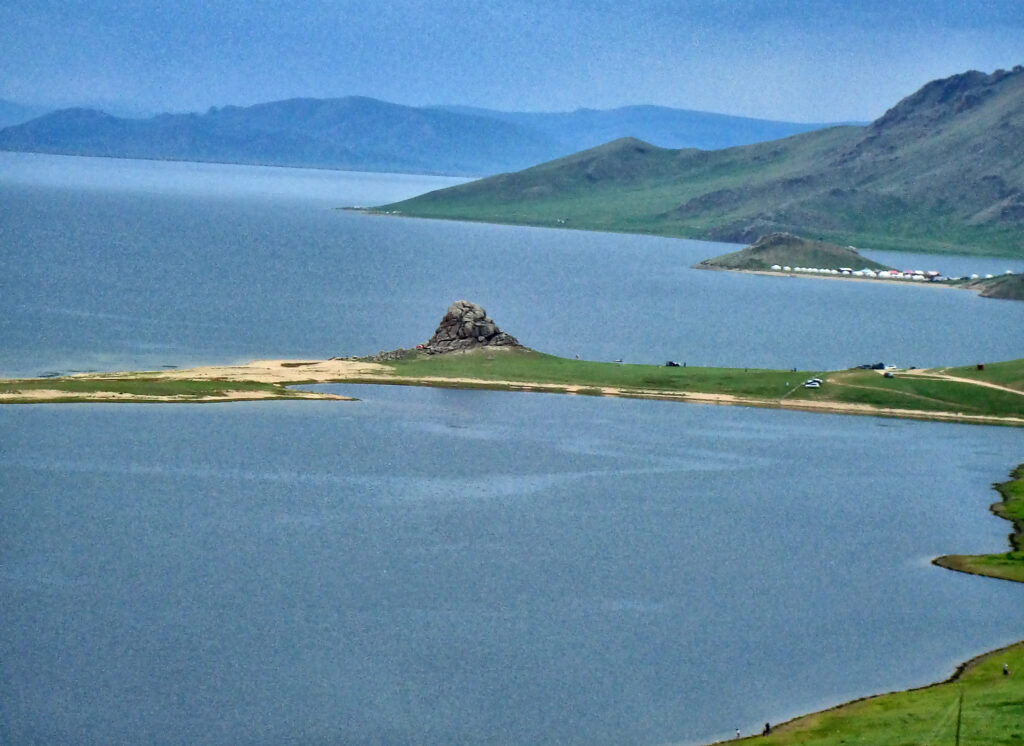
Khorgo-Terkhiin Tsagaan Lake National Park features volcanic landscapes, lava fields, and the beautiful Terkhiin Tsagaan Lake. The extinct Khorgo volcano is one of the park’s main attractions.
Orkhon Valley
Part of the UNESCO World Heritage Site, the Orkhon Valley is rich in archaeological remains and represents centuries of nomadic civilization.
Economic Characteristics
Arkhangai’s economy is primarily based on traditional and sustainable practices.
Livestock Herding
The province is heavily dependent on pastoralism. Sheep, goats, cattle, horses, and yaks are raised across its vast grasslands. Animal husbandry remains the backbone of the local economy.
Agriculture
Due to its relatively favorable climate and water resources, Arkhangai supports limited crop farming, especially in river valleys.
Tourism
Tourism is rapidly developing as one of the province’s key economic sectors. Visitors are attracted by:
- natural landscapes
- historical monuments
- hot springs
- nomadic experiences
Eco-tourism and cultural tourism are especially important.
Why Arkhangai Matters
Arkhangai represents the balance between Mongolia’s past and present. It is a place where:
- ancient empires once flourished
- Buddhism took root
- nomadic traditions continue to thrive
- and modern tourism is emerging
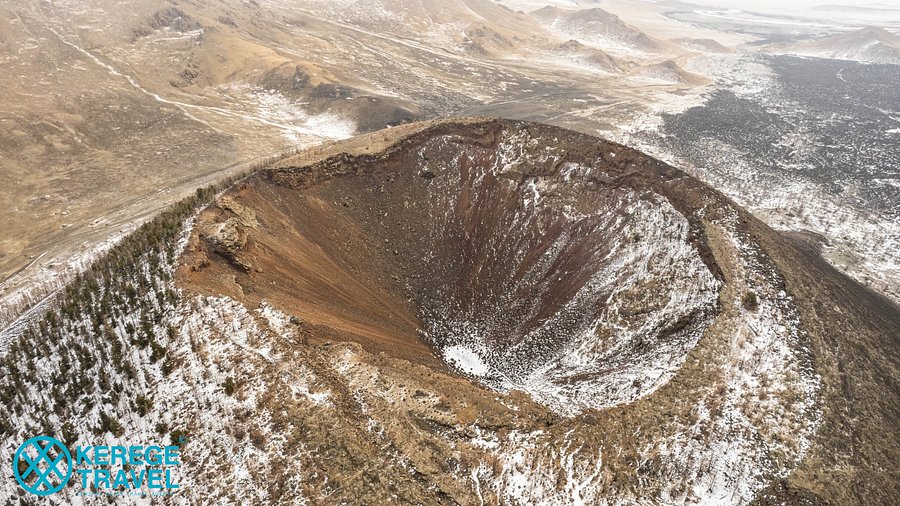
 Khorgo Volcano
 Conclusion