Nicola Di Cosma
THE FALL OF ONG KHAN: REWARD, LEGACY, AND THE PRICE OF BETRAYAL
LOYALTY, HONOR, AND THE MEMORY OF THE DEAD
DIPLOMACY AS DECEPTION: TEMÜJIN’S STRATEGIC MOVE AGAINST ONG KHAN
TEMÜJIN’S WORDS: FROM RECONCILIATION TO POLITICAL CONFRONTATION
THE BROKEN OATH OF FATHER AND SON
FROM DEFEAT TO REORGANIZATION
WHO IS “WE”?
FROM RETREAT TO BATTLE
FROM CONSPIRACY TO DISCOVERY
Researching the Empires That Shaped Eurasia
New Khitan Rock Inscription Discovered at Naidag Mountain
in Dashinchilen Soum, Bulgan Province, Mongolia.
Field Report – September 2025
A previously unknown Khitan inscription inside a cave located on the slope of Naidag Mountain in Lakh bagh, Dashinchilen Soum, Bulgan Province. The field research team included Dr. L. Erdenebold, Director of the Institute of History and Ethnology of the Mongolian Academy of Sciences; Professor Matsukawa Takashi of Otani University; Professor Muraoka Hitoshi of Ryukoku University; and Professor Emeritus Matsuda Koichi of Osaka International University. The inscription was examined by visiting scholar Professor Takeuchi Yasunori of the Institute of Mongolian Studies, Inner Mongolia University.The inscription is located inside a cave more than 200 meters above ground level on the mountainside. Preliminary investigation identified inscriptions in seven separate sections within the cave.
Professor Matsukawa initially examined the markings, which appeared at first glance to resemble Chinese characters. However, detailed analysis showed that they were not Chinese script but Khitan writing. Photographs were sent to Professor Takeuchi in Hohhot for interpretation. Although the inscription is heavily weathered and difficult to read, he confirmed that many distinctive characters of the Khitan Large Script could be recognized and stated that the inscription was clearly not written in Chinese characters. Most remarkably, he suggested that the fourth inscription may have been written in the Khitan Small Script.
If confirmed, this would represent an exceptionally rare discovery because no previously known site has yielded both Khitan Large Script and Khitan Small Script inscriptions together in the same location.
Naidag Mountain lies near the ancient route connecting Elsen Tasarkhai and Dashinchilen district along the Badiin River at the eastern foothills of Khognu Mountain. The surrounding region contains numerous archaeological remains, including:
- Khitan-period agricultural settlements,
- Bronze Age burial sites,
- runic inscriptions,
- rock art complexes,
- and the ruins of later monasteries.
Mongolia has yielded several important Khitan inscriptions in the past, including discoveries at Rashaan Khad in Khentii Province, Salbar Khoolui, Erdene Mountain, Dongoin Shiree in Sukhbaatar Province, and the Khitan stele inscription of Buleen Ovoo discovered by the Mongolian–Japanese project in Dornogovi Province in 2010.
However, despite the presence of many Khitan-period fortresses and cities in the Tuul River basin — including Chin Tolgoi Fortress, Kharbukh Fortress, Ulaan Kherem, and Khermen Denj — almost no direct Khitan written sources had previously been found there. For this reason, the newly discovered Naidag Mountain inscription is considered highly significant.
The possible presence of both Khitan Large and Small Scripts together at one site may represent the first known example of its kind, offering major potential for future research into the writing system and history of the Khitan world.
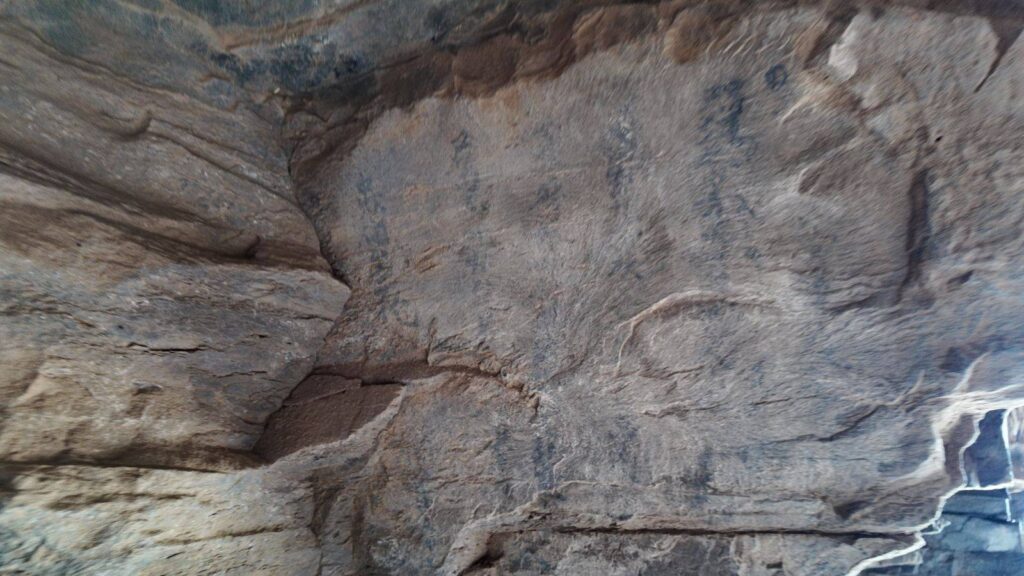
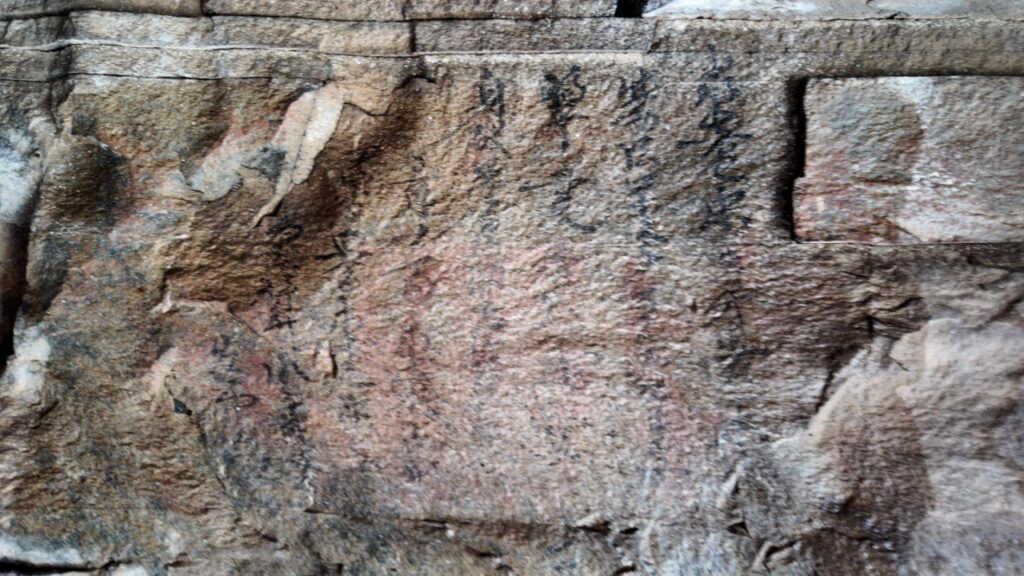
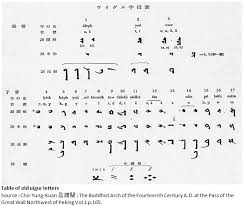
Khitan rock inscription
In Dashinchilen soum of Bulgan Province, Mongolia, a new Khitan rock inscription has been discovered at Naidag Mountain.On August 31, 2025, the Mongolian–Japanese joint “Inscription” Project identified a previously unknown Khitan inscription inside a cave located on the slope of Naidag Mountain in Lakh bagh, Dashinchilen district, Bulgan Province.
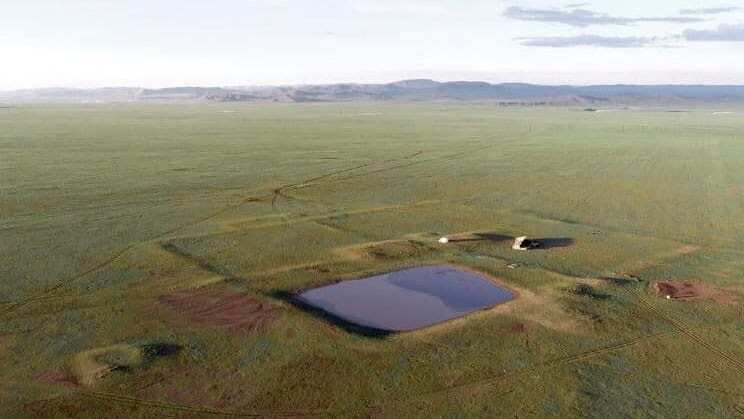
Archaeologists conducting excavations in central Mongolia along the Orkhon River believe they have discovered the “Dragon City” of Luut/Luncheng, the Xiongnu/Khunnu capital.
The Xiongnu were a tribal confederation that inhabited the eastern Eurasian Steppe from the 3rd century BC to the late 1st century AD. The ruler of the Xiongnu was called the Chanyu, who exercised direct authority over the central territory from Luncheng. Their relations with adjacent Chinese dynasties to the south-east were complex, with repeated periods of conflict and intrigue, alternating with exchanges of tribute, trade, and marriage treaties.
Excavations financed by the Ulaanbaatar State University in the Ulziit district of Arkhangai province first made the discovery in 2017, but details of the findings have only now been published in local media.
Iderkhangai Tumur-Ochir, leader of the archaeological research team from Ulaanbaatar State University said: “The city is believed to have originated in the Khangai Mountains of Mongolia, according to ancient sources.”
GOL MOD BURIAL COMPLEX
XIONGNU ROYAL NECROPOLIS
Arkhangai Province, Mongolia
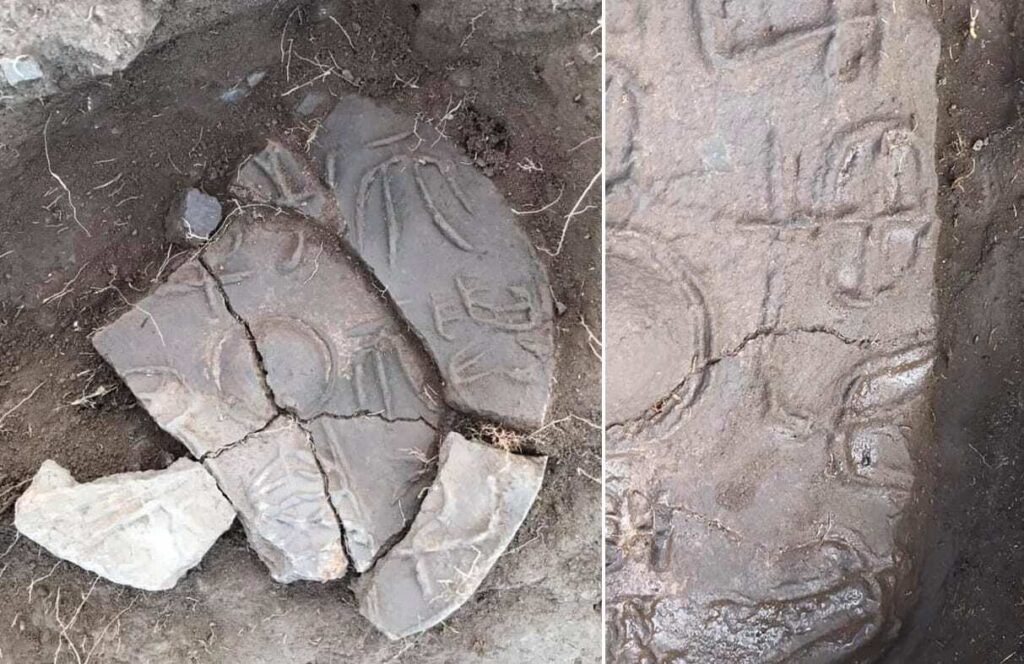
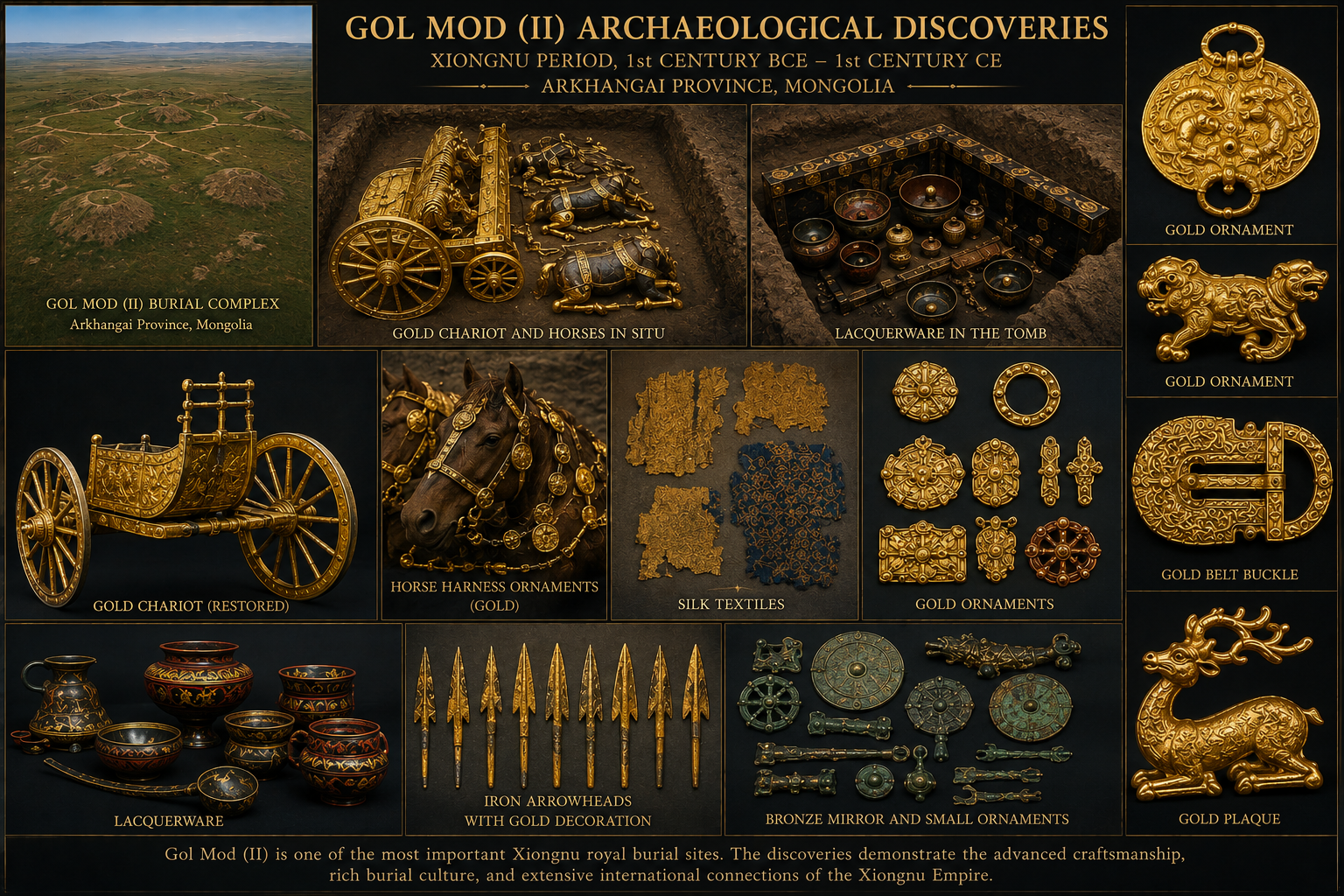
The Gol Mod burial complex is one of the largest and most important archaeological sites of the Xiongnu civilization. Located in Arkhangai Province, the site contains hundreds of burial mounds, including elite and royal tombs associated with the Xiongnu ruling class.
Excavations revealed richly furnished burials containing chariots, horse equipment, lacquerware, silk textiles, ornaments, and imported luxury goods, demonstrating the political power and international connections of the Xiongnu Empire.
The discoveries provide valuable evidence for Xiongnu social hierarchy, funerary traditions, craftsmanship, and long-distance exchange networks across Inner Asia.
Major Finds:
• Royal and elite tombs
• Chariots and horse harnesses
• Silk textiles and lacquerware
• Gold ornaments and decorative objects
• Imported luxury artifacts
• Xiongnu funerary structures
Short caption version:
GOL MOD BURIALS
The Gol Mod complex preserves elite Xiongnu tombs containing chariots, silk, lacquerware, horse equipment, and luxury goods, reflecting the wealth and power of the Xiongnu elite.
MAIN DESCRIPTION
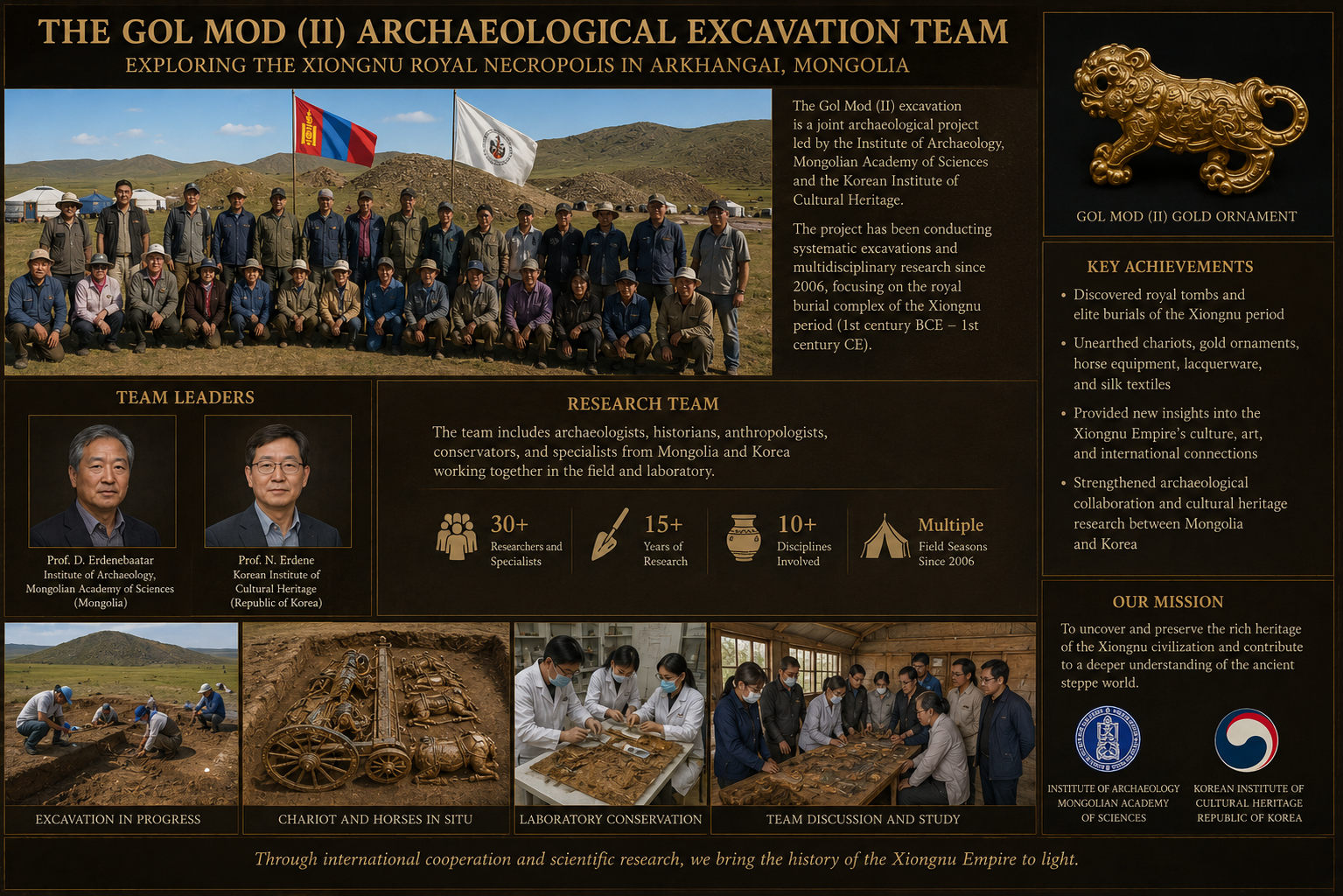
The Gol Mod (II) archaeological project investigates one of the largest Xiongnu royal necropolises in Mongolia. Located in Arkhangai Province, the site preserves elite burials, monumental tombs, and valuable artifacts that reveal the political power, culture, and international connections of the Xiongnu Empire.
RESEARCH PROJECT
The excavation is a joint international research project conducted by the Institute of Archaeology of the Mongolian Academy of Sciences and research partners from the Republic of Korea. Systematic excavations, conservation, and multidisciplinary studies have been carried out for many years.
TEAM SECTION
The research team includes archaeologists, historians, conservators, anthropologists, and heritage specialists working together in excavation, documentation, preservation, and analysis.
KEY DISCOVERIES
• Royal and elite Xiongnu burials
• Horse equipment and chariot remains
• Gold ornaments and decorative objects
• Silk textiles and lacquerware
• Bronze mirrors and ritual artifacts
• Evidence of long-distance cultural exchange
RESEARCH SIGNIFICANCE
The discoveries from Gol Mod provide important evidence for understanding Xiongnu social hierarchy, burial traditions, craftsmanship, diplomacy, and the development of early steppe empires.
MISSION
To preserve, study, and present the cultural heritage of the Xiongnu civilization and contribute to the understanding of ancient Inner Asian history.
FOOTER TEXT
Through archaeological research and international cooperation, the legacy of the Xiongnu world continues to be revealed.
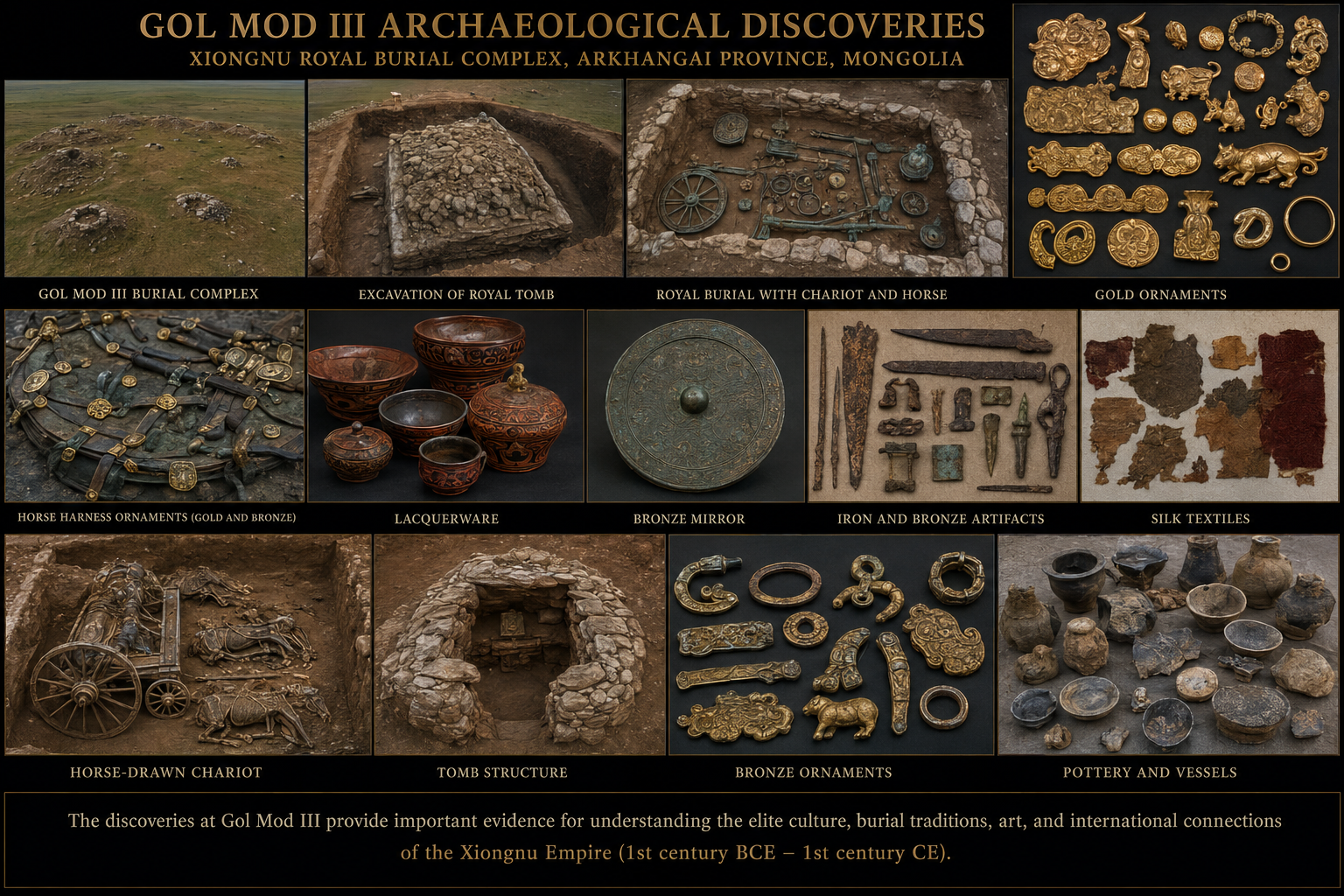
GOL MOD III ARCHAEOLOGICAL DISCOVERIES
XIONGNU ROYAL BURIAL COMPLEX
Arkhangai Province, Mongolia
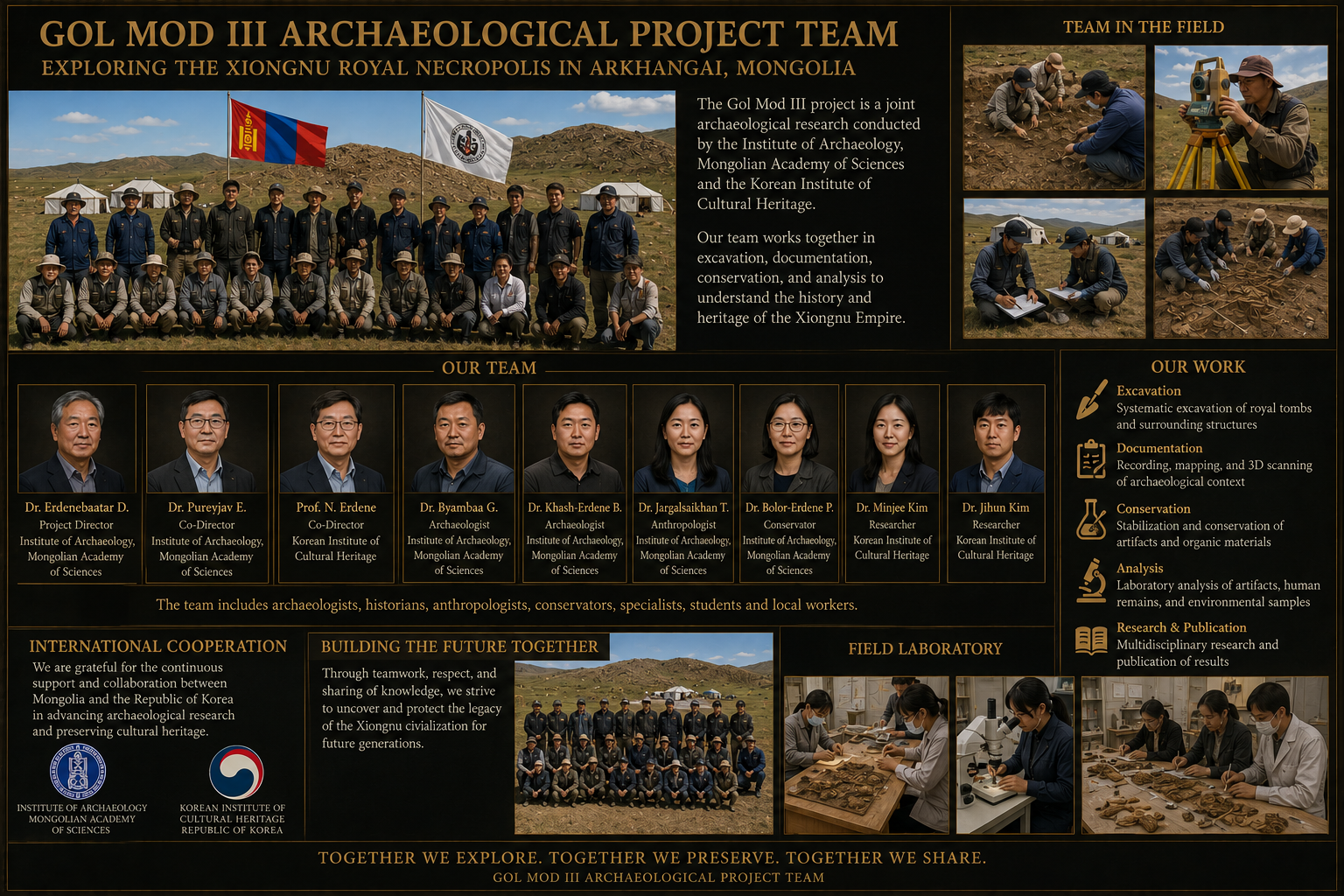
Gol Mod III is one of the important Xiongnu elite burial sites associated with the royal necropolis region of central Mongolia. Excavations revealed monumental tomb structures and rich grave goods reflecting the social hierarchy and cultural sophistication of the Xiongnu period.
MAJOR DISCOVERIES
Elite and Royal Burials
Large stone-covered tombs with complex internal structures associated with high-ranking Xiongnu elites.
Horse Equipment
Decorated harness fittings, bridles, bronze ornaments, and riding equipment demonstrating advanced cavalry culture.
Gold Ornaments
Animal-style decorative objects, plaques, belt fittings, and luxury ornaments.
Silk Textiles
Imported silk fragments indicating long-distance exchange networks and contacts with neighboring civilizations.
Lacquerware
Finely crafted lacquer vessels and containers reflecting cultural interaction across Inner Asia.
Bronze Mirrors and Ritual Objects
Ceremonial items and prestige goods placed within elite burials.
Wooden Artifacts and Coffin Elements
Preserved wooden structures and burial chamber components.
SIGNIFICANCE
Gol Mod III provides important evidence for understanding Xiongnu elite society, funerary customs, political organization, and transregional connections across Eurasia.
Short image caption version:
GOL MOD III DISCOVERIES
Gold ornaments, horse equipment, silk textiles, lacquerware, bronze mirrors, and elite Xiongnu burials revealing the wealth and prestige of the steppe aristocracy.
PROF. D. ERDENEBAATAR
Archaeologist | Institute of Archaeology
Mongolian Academy of Sciences
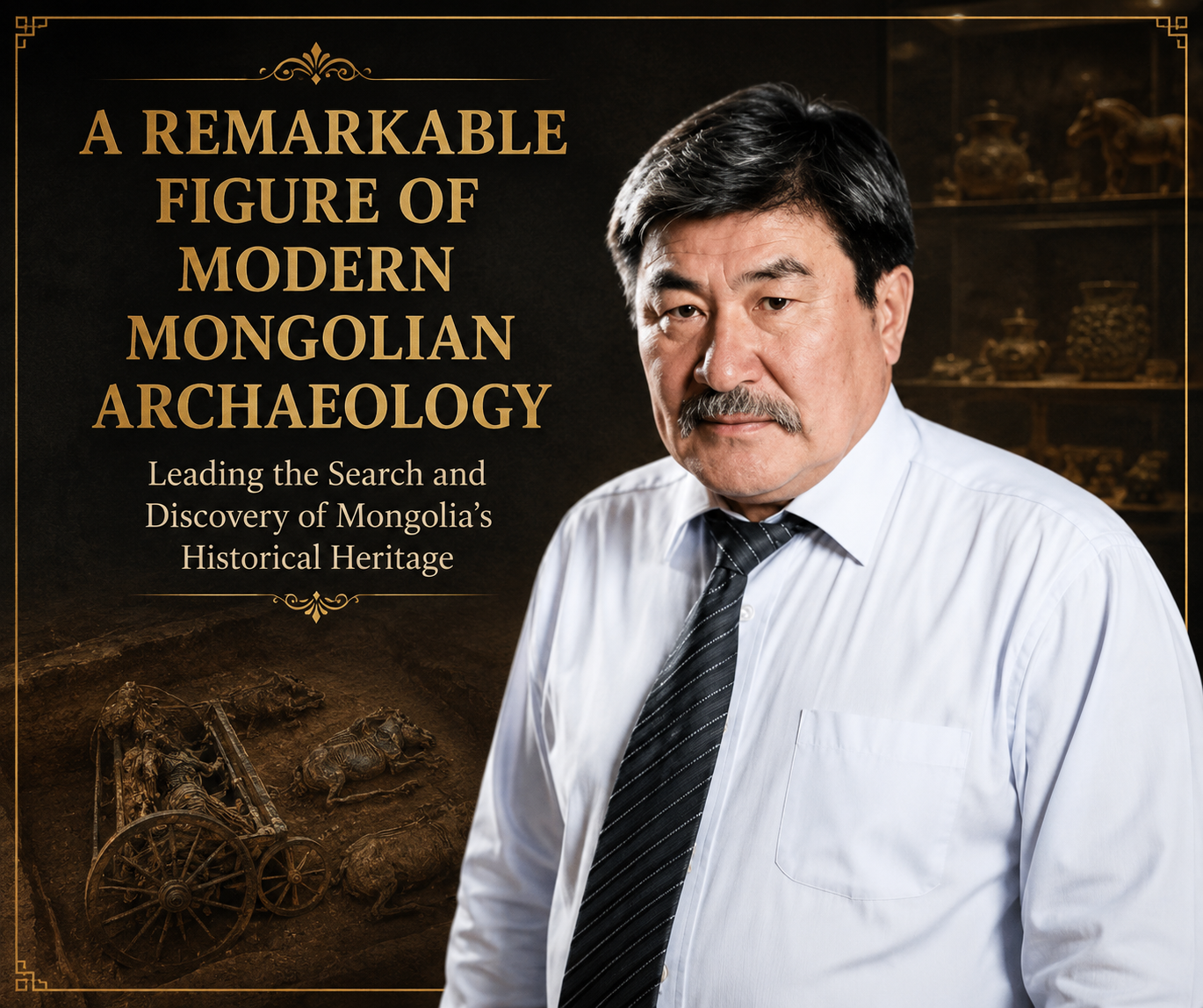
Prof. D. Erdenebaatar is a Mongolian archaeologist and researcher specializing in the archaeology of ancient nomadic civilizations and the Xiongnu period. He has participated in and led numerous archaeological expeditions across Mongolia, contributing to the study of elite Xiongnu burial complexes, steppe empires, and cultural heritage preservation.
His research has focused on Xiongnu archaeology, royal tomb excavations, funerary traditions, and the historical development of early nomadic states in Inner Asia.
Short version:
Prof. D. Erdenebaatar is a Mongolian archaeologist known for his research on Xiongnu archaeology, royal burial complexes, and the history of ancient steppe civilizations.
For a team card:
Project Director
Prof. D. Erdenebaatar
Institute of Archaeology
Mongolian Academy of Sciences
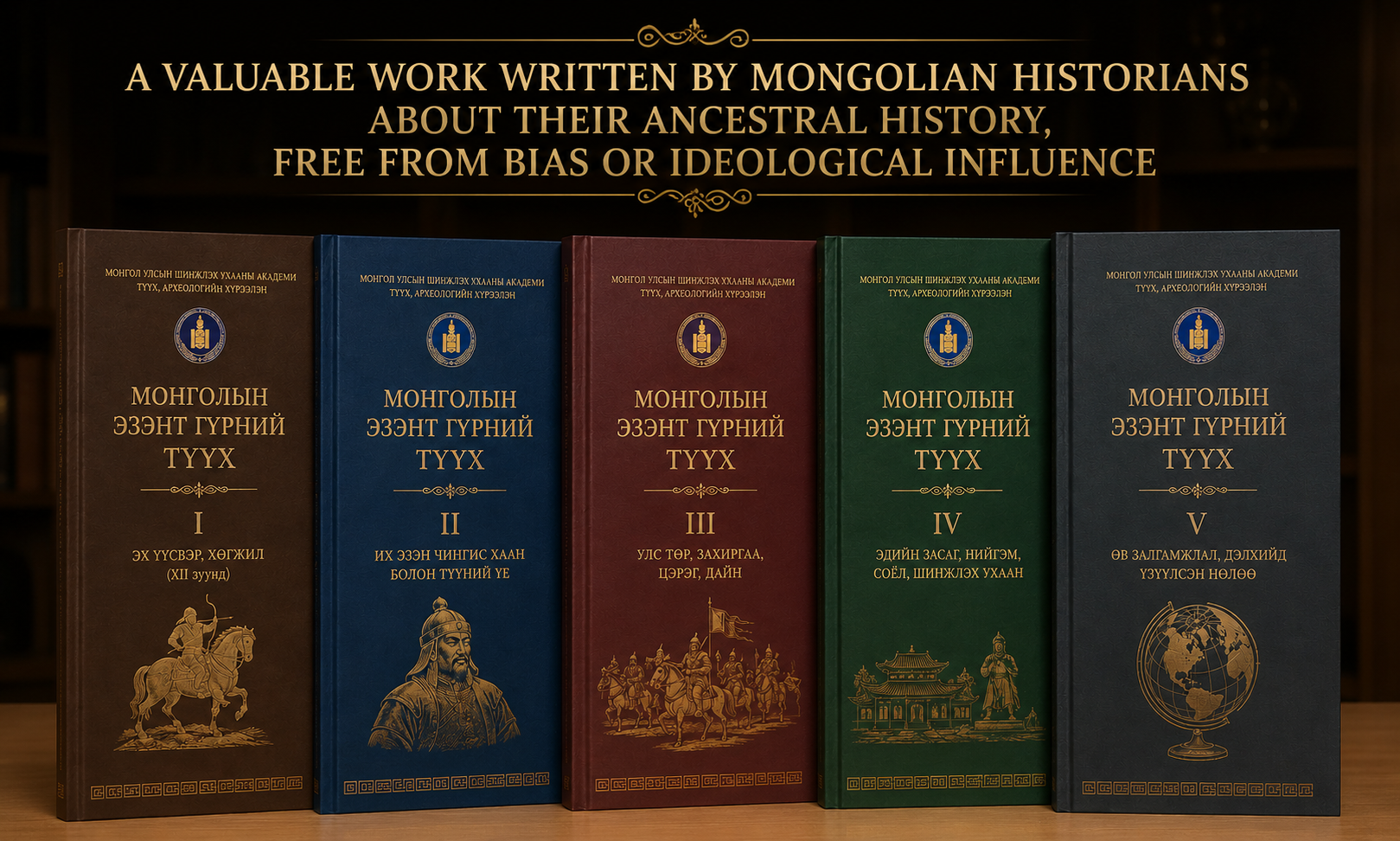
LECTURE ON THE FIVE-VOLUME HISTORY OF THE MONGOL EMPIRE
Opening Lecture Presentation
October 18, 2019
The opening lecture for the publication “History of the Mongol Empire – Five Volumes” was delivered by Dr. P. Delgerjargal, Associate Professor and Head of the Department of History at the National University of Mongolia (NUM), on 18 October 2019.
The lecture introduced the objectives, scholarly significance, and historical scope of the five-volume work dedicated to the history of the Mongol Empire. The publication presents a comprehensive study of the political, military, cultural, economic, and diplomatic development of the Mongol world from its origins to its imperial expansion and legacy.
Special attention was given to the formation of the Great Mongol Empire under Chinggis Khaan, the development of the imperial system, the succession of the Great Khans, the administration of the empire, and the historical influence of Mongol civilization across Eurasia.
The lecture also emphasized the importance of modern historical research, archaeological discoveries, documentary studies, and international academic cooperation in reconstructing the history of the Mongol Empire.
The Five-Volume History of the Mongol Empire represents one of the major academic efforts devoted to preserving and advancing the study of Mongolian history and imperial heritage.
Speaker:
Dr. P. Delgerjargal
Associate Professor
Head of the Department of History
National University of Mongolia (NUM)
Short version for poster:
OPENING LECTURE – HISTORY OF THE MONGOL EMPIRE (FIVE VOLUMES)
Presented by Dr. P. Delgerjargal, Head of the Department of History, National University of Mongolia, on 18 October 2019, introducing the scholarly significance and historical scope of this major academic publication on the Mongol Empire.
KHARGANA BALJINNYAM
MONGOLIAN HISTORY SERIES
Or more formal:
THE MONGOLIAN HISTORY SERIES
By Khargana Baljinnyam
Longer museum-style text:
The “Mongolian History Series” by Khargana Baljinnyam presents historical narratives dedicated to the origins, development, and legacy of Mongolian civilization. The series explores major historical periods, empires, rulers, and cultural traditions that shaped the history of the Mongol world.
For hero heading:
THE MONGOLIAN HISTORY SERIES
Exploring the Heritage and Legacy of Mongolia Through History
If it is specifically tied to the Mongol Empire project page:
THE MONGOLIAN HISTORY SERIES
From Steppe Origins to the Great Mongol Empire
ARCHAEOLOGY & UNDERWATER EXPLORATION
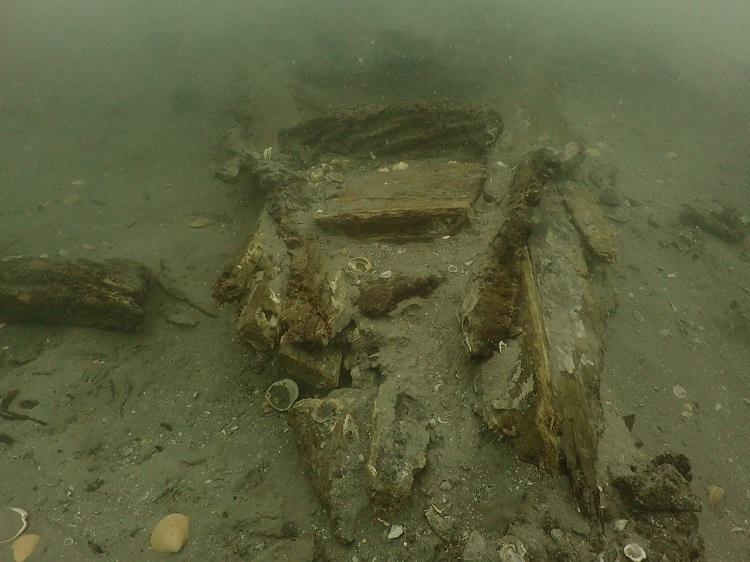
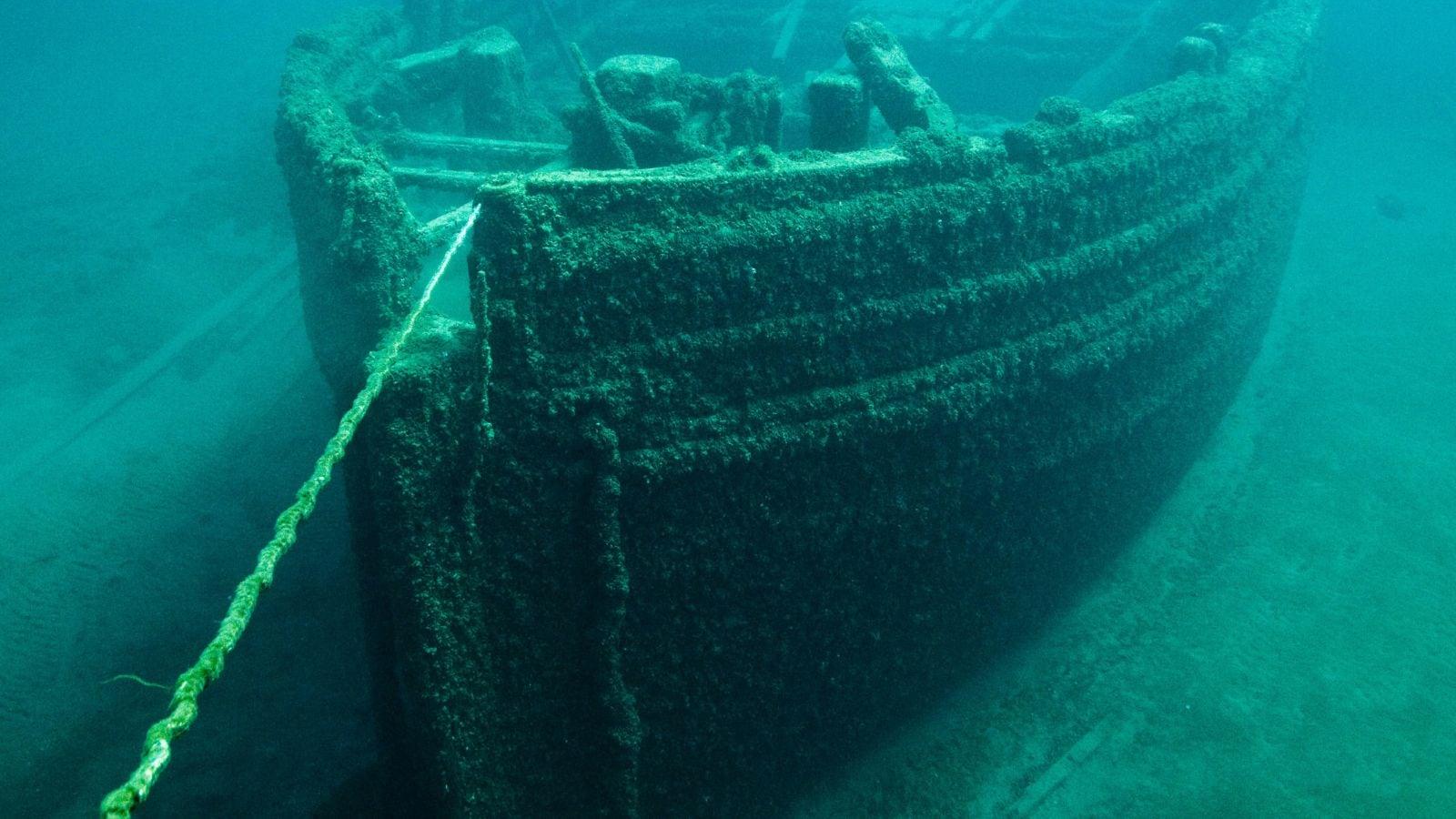
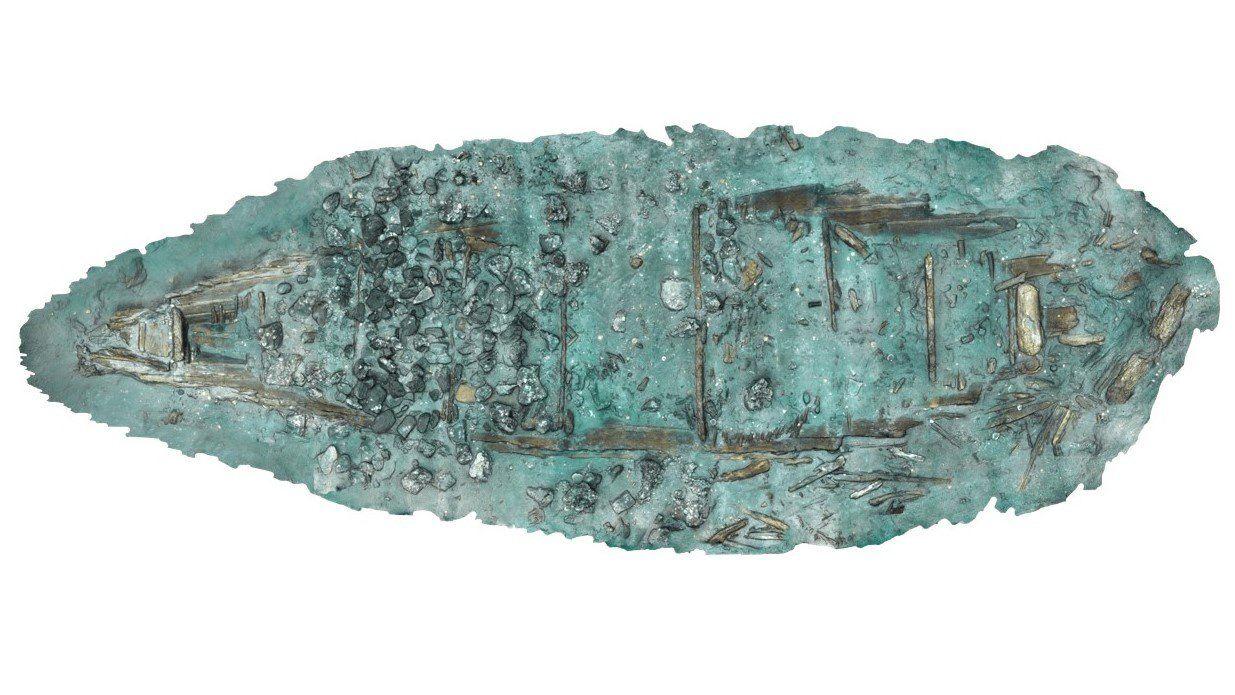
TAKASHIMA SHIPWRECK
The underwater remains of a vessel associated with the Yuan fleet that invaded Japan in 1281. Archaeological investigations at Takashima have revealed wooden hull remains preserved on the seabed, providing direct material evidence of the lost fleet.
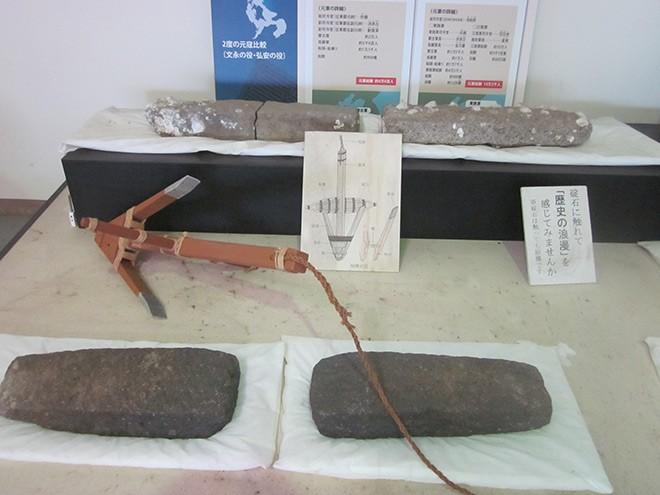
MONGOL FLEET ANCHOR
A large wooden anchor recovered from the Takashima underwater site. Its construction and dating provide important evidence for the ships that participated in the 1281 invasion.
SHIP HULL REMAINS
Preserved sections of wooden hull discovered beneath the seabed. Archaeologists study their construction techniques, timber, joinery, and dimensions to understand the shipbuilding traditions of the Yuan maritime forces.
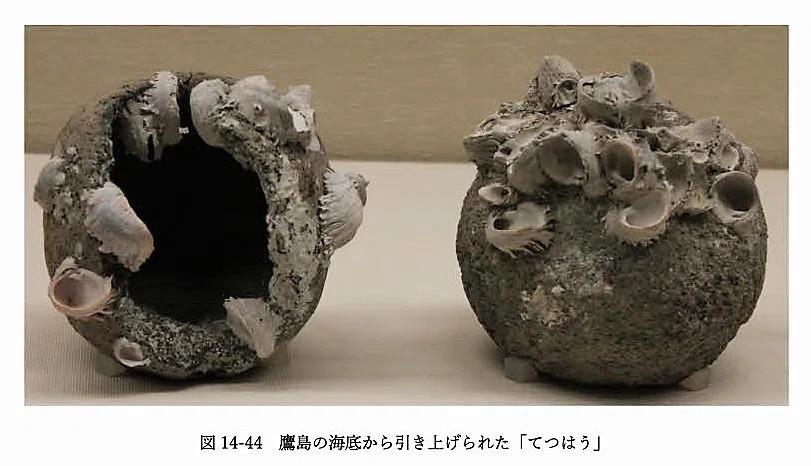
WEAPONS & MILITARY ARTIFACTS
Iron weapons, arrowheads, armor fragments, and explosive ceramic projectiles known as tetsuhau have been recovered from the Takashima area. These artifacts provide physical evidence of the weapons carried by the invasion fleet.
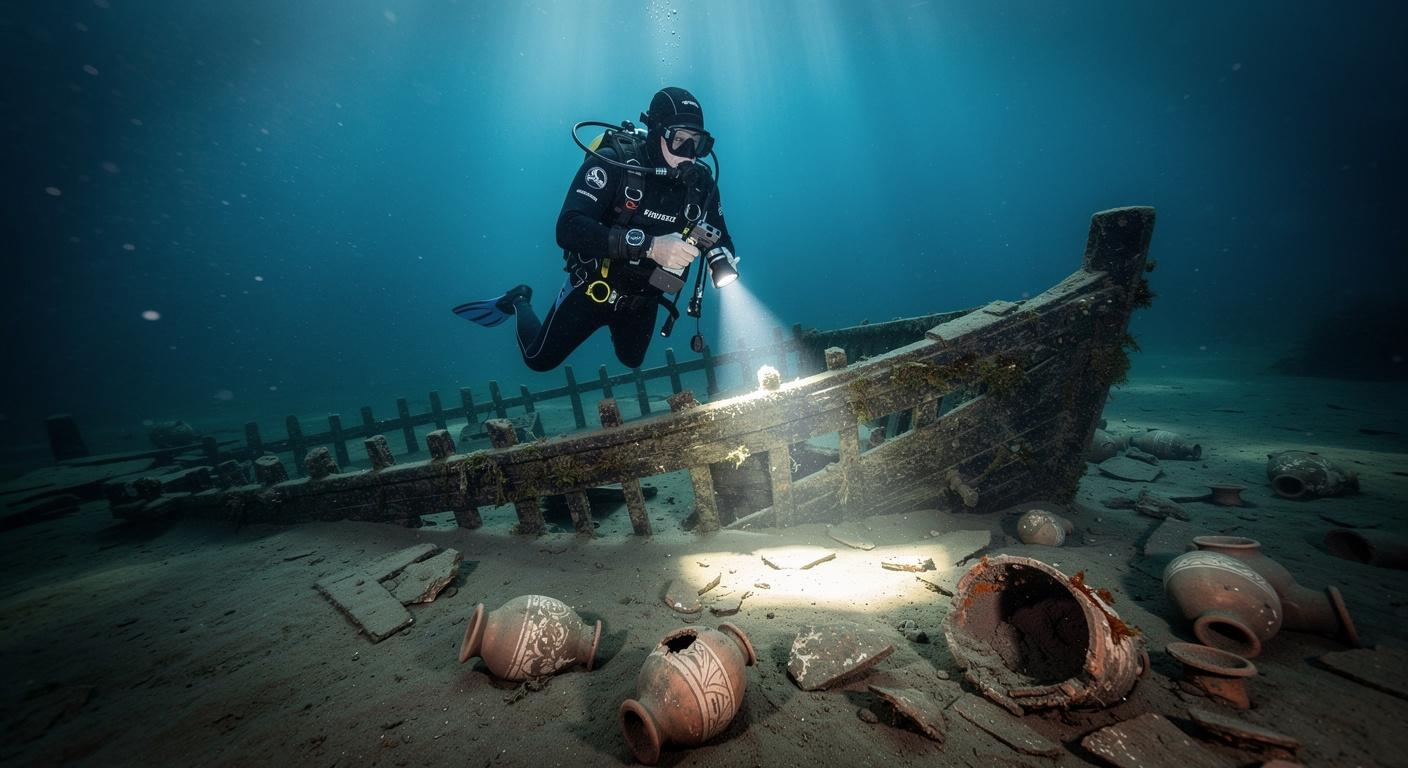
CERAMICS & DAILY OBJECTS
Chinese ceramics and other personal and shipboard objects recovered underwater help researchers identify the cultural and technological background of the fleet and reconstruct aspects of life aboard the ships.
THE LOST FLEET
Together, these archaeological discoveries provide a rare material record of the 1281 Yuan invasion fleet and allow historians to compare physical evidence with Japanese, Chinese, and Korean written sources.